
Mower
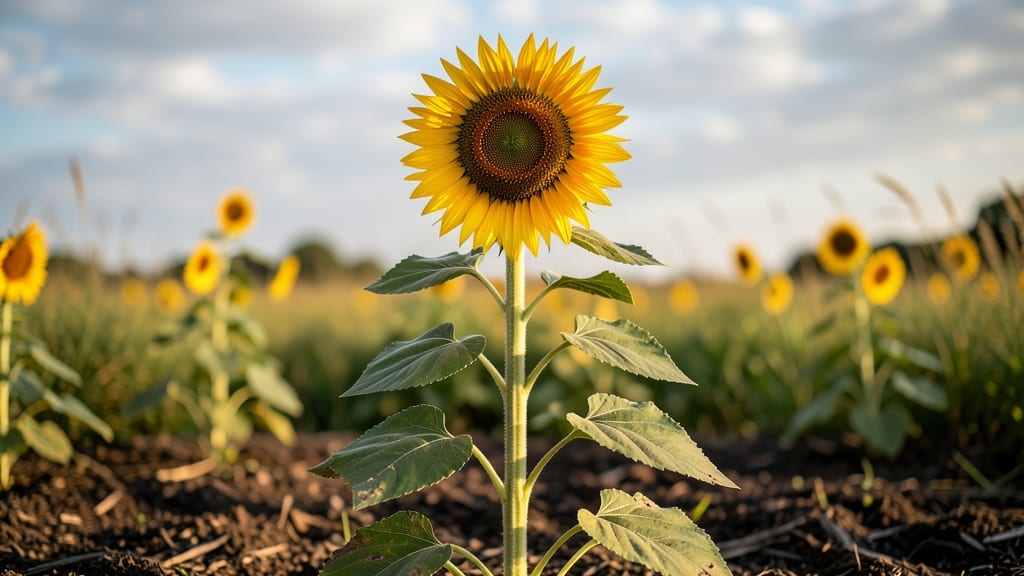
The Mammoth Russian sunflower height can reach a staggering 12–14 feet, making it one of the tallest ornamental sunflower varieties available.
Imagine towering sunflowers reaching heights of 12 feet or more—these aren’t just dreams, but reality with Mammoth Russian varieties. If you're looking to create a dramatic focal point in your garden or break records with your tallest bloom, these giants deliver unmatched spectacle.
Growing a sunflower this tall requires the right conditions: full sun, well-drained soil, and plenty of space to stretch upward. Without proper support, even the sturdiest stems can bend under their own weight, so staking is often a must.
In this guide, I’ll break down exactly how tall these giants grow, share tips to maximize their height, and help you avoid common mistakes that stunt their growth. Let’s get started!

How tall do Mammoth Russian sunflowers grow? Exact height measurements by variety
If you're dreaming of sunflowers that dwarf everything else in your garden, Mammoth Russian sunflowers are the answer. These giants can reach 12 to 14 feet tall under ideal conditions, making them perfect for creating stunning vertical focal points.
Their towering stature isn't just for show—it also means they need special care to thrive and reach their full potential.
Not all Mammoth Russian varieties grow to the same height, though. Some may max out at 10 feet while others can easily surpass 14 feet with proper growing conditions. Understanding these differences helps you choose the right variety for your space and climate.
Let’s break down the exact height ranges you can expect from the most popular Mammoth Russian sunflower varieties.
Here’s a quick reference to get you started: The Mammoth Russian variety typically grows between 10 and 14 feet, while the Russian Giant can reach up to 16 feet in exceptional conditions.
These measurements are based on mature plants, so you’ll see steady growth throughout their 80 to 120-day maturity period.
| Variety | Mature Height | Days to Maturity | Growth Pattern | Notes |
|---|---|---|---|---|
| Mammoth Russian | 10–14 ft | 80–100 days | Rapid vertical growth | Classic giant; needs staking |
| Russian Giant | 12–16 ft | 90–120 days | Extremely tall; slow early growth | Record-breaking height; sturdy stems |
| Mammoth Sunflower 'Russian' | 11–13 ft | 85–110 days | Moderate growth rate | Balanced height and bloom size |
| Russian Midget | 5–7 ft | 70–90 days | Compact growth | Smaller but still impressive |
The Mammoth Russian variety is the most widely grown, with heights consistently reaching 12 to 14 feet when given ample space and nutrients. This variety is known for its bold, dark centers and large flower heads, which can measure up to 12 inches in diameter.
If you’re aiming for a dramatic garden statement, this is the variety to plant.
For those chasing record-breaking heights, the Russian Giant variety is the way to go. While it takes a bit longer to mature—typically 90 to 120 days—it can surpass 16 feet in ideal conditions.
This variety is perfect for gardeners with plenty of space and patience, as it requires extra support to prevent toppling over.
If you’re working with limited space but still want a tall sunflower, the Mammoth Sunflower 'Russian' variety offers a great middle ground. It typically grows between 11 and 13 feet and matures slightly faster than the Russian Giant, making it a versatile choice for many gardeners.
Its bright yellow petals and sturdy stems also make it a favorite for cut flowers.
Environmental factors play a huge role in determining how tall your Mammoth Russian sunflowers will grow. Full sun exposure (at least 6 to 8 hours daily) is non-negotiable, as sunflowers rely on sunlight to fuel their rapid growth.
Additionally, well-draining soil rich in organic matter helps roots establish deeply, supporting the plant’s towering stature.
Temperature also affects height. Mammoth Russian sunflowers thrive in USDA Zones 3 through 9, but they grow best in warm climates with long, hot summers.
If you’re in a cooler zone, consider starting seeds indoors 4 to 6 weeks before the last frost date to give them a head start. This extra time helps them reach their full height potential.
Watering is another critical factor. While sunflowers are drought-tolerant once established, consistent moisture during their early growth stages (especially the first 4 to 6 weeks) ensures they develop strong stems capable of supporting their massive height.
Aim to water deeply 1 to 2 times per week, allowing the soil to dry slightly between waterings to prevent root rot.
Finally, don’t overlook the importance of staking for these towering plants. Without support, even the sturdiest stems can snap under their own weight. Use bamboo stakes or sturdy cages to provide stability, especially if you’re growing varieties like the Russian Giant that can reach 16 feet or more.
Proper support not only prevents damage but also encourages taller
Tips to maximize Mammoth Russian sunflower height: soil, sun, and support secrets
To coax your Mammoth Russian sunflowers to reach their full 12-foot-plus potential, you’ll need to focus on three critical factors: soil quality, sunlight exposure, and structural support.
These giants thrive when given the right conditions, so let’s break down how to optimize each element for maximum height. The difference between a 10-foot and a 14-foot sunflower often comes down to these foundational practices.
First, your soil preparation sets the stage for strong root development—the deeper and healthier the roots, the taller the stem can grow. Amending your soil with compost or well-rotted manure ensures nutrients are readily available, while proper drainage prevents root rot, which can stunt growth.
I’ve found that adding a 5-inch layer of compost to the planting hole gives my sunflowers a nutrient boost right from the start.
- 🌱 Soil Prep: Test pH (6.0–7.5) and amend with compost for nutrient-rich soil
- ☀️ Sunlight: Provide 8+ hours of direct sun daily for optimal photosynthesis
- 💧 Watering: Deep water 2–3 times per week during active growth (spring/summer)
- ✂️ Staking: Install 3-foot stakes at planting and tie stems as they grow
- 🌿 Fertilizer: Use balanced 10-10-10 fertilizer every 4–6 weeks
Next, sunlight is non-negotiable for these towering plants. Mammoth Russian sunflowers need at least 8 hours of direct sunlight daily to fuel their rapid growth. If your garden receives less, consider planting them in the sunniest spot available, even if it means sacrificing other less sun-loving plants.
I’ve seen dramatic differences in height when moving sunflowers from partial shade to full sun—sometimes an extra 2–3 feet in height!
Consistent watering is another secret to maximizing height. These sunflowers have deep roots, so they need deep, infrequent watering rather than shallow, frequent sessions. Aim to water 2–3 times per week during their growing season (spring and summer), ensuring the soil is moist 6–8 inches deep.
Mulching around the base helps retain moisture and keeps roots cool, which is especially important in hot climates where water stress can limit growth.
Finally, support systems are essential to prevent stems from snapping under their own weight. I recommend installing 3-foot bamboo stakes at planting time and gently tying the stems to them as they grow. For extra stability, use soft plant ties or even old pantyhose to avoid damaging the stems.
Without support, even the healthiest sunflowers can flop over, wasting all your efforts. Pro tip: Add a second stake once the plant reaches 6 feet to distribute weight evenly.
With these soil, sun, and support secrets in place, you’ll be well on your way to growing record-breaking Mammoth Russian sunflowers. Remember, patience is key—these giants take time to reach their full potential, but the results are worth every effort! 🌻