
Flowers
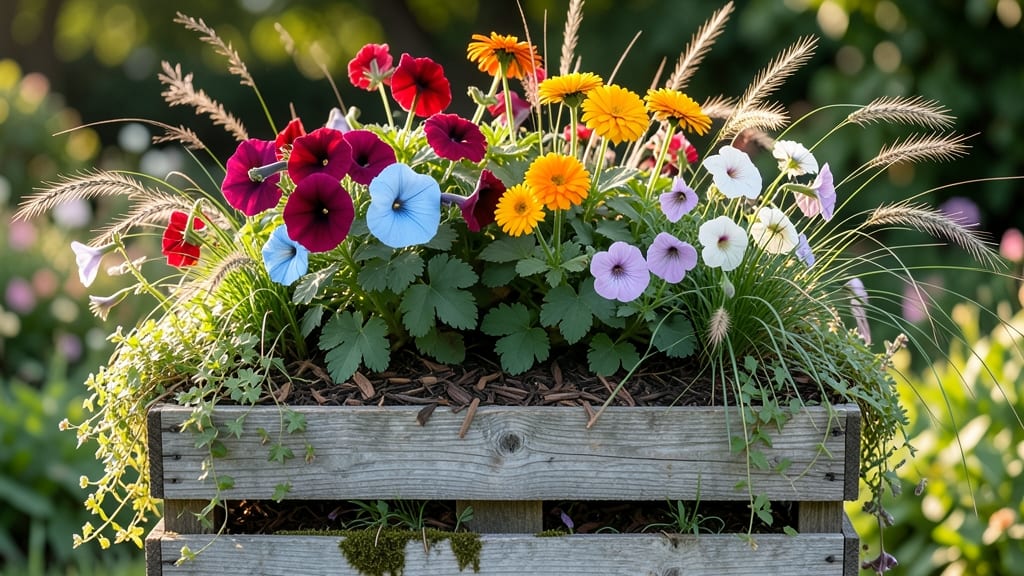
A pallet flower bed turns discarded wood into a stunning, budget-friendly garden centerpiece that brightens any outdoor space with minimal effort.
Picture this: a rustic wooden frame overflowing with vibrant 🌸 blooms, built in under an afternoon with tools you already own. No green thumb required—just a little creativity and a handful of plants. It’s the perfect project for urban gardeners, small-space dwellers, and anyone who loves a good upcycling challenge.
Beyond the aesthetic appeal, these beds solve real problems: they’re lightweight for patios, drought-tolerant once established, and customizable to match any style—from cottage charm to modern minimalism. Plus, they’re a sustainable way to reuse materials while adding life to your yard.
In this guide, I’ll walk you through 15 eye-catching designs, the best low-maintenance plants to use, and step-by-step assembly tips—so you can create your own thriving pallet garden in no time.
How to build a pallet flower bed: step-by-step guide for beginners
Building a pallet flower bed is one of the most rewarding DIY gardening projects—it’s eco-friendly, budget-conscious, and transforms your outdoor space instantly. The best part? You don’t need advanced skills or expensive tools.
With just a few wooden pallets, some basic supplies, and a little elbow grease, you’ll create a charming, functional garden feature that’s perfect for annuals, herbs, or trailing plants.
Before you start, ensure your pallets are untreated and safe for planting. Heat-treated or chemically stained wood can harm plants and soil. Look for pallets marked with the HT (heat-treated) stamp—these are the safest choice.
If you’re unsure, give them a quick sanding to remove any rough edges or splinters, and line the inside with landscape fabric for extra protection.
Now, let’s get to the fun part: assembly! Here’s your step-by-step guide to building a sturdy, stylish pallet flower bed that will last for years.
Step-by-Step Guide to Building Your Pallet Flower Bed
-
Step 1: Gather Your Materials
You’ll need:
- 2-4 wooden pallets (HT-stamped)
- Screws or nails (2-3 inches long)
- Drill or hammer
- Sandpaper (medium grit)
- Landscape fabric (optional)
- Compost or potting mix
- Mulch (straw or wood chips)
-
Step 2: Prepare the Pallets
Sand down any rough edges or splinters. If using multiple pallets, arrange them side by side or stack them vertically for a tiered design. Use screws to secure them together—avoid nails, as they can shift over time.
-
Step 3: Line the Bed (Optional)
Line the inside of the pallet with landscape fabric to prevent soil from leaking out and to block weeds. Secure it with staples or small nails.
-
Step 4: Add Soil and Compost
Fill the pallet with a mix of potting soil and compost (50/50 ratio). This ensures good drainage while retaining moisture. For a drought-resistant bed, add perlite or vermiculite to the mix.
-
Step 5: Plant Your Flowers
Choose compact plants like petunias, marigolds, or herbs like basil and thyme. For a trailing effect, add nasturtiums or sweet potatoes. Space plants according to their mature size—overcrowding leads to poor airflow and disease.
-
Step 6: Mulch and Water
Top the soil with mulch to retain moisture and suppress weeds. Water thoroughly after planting, then keep the soil evenly moist (not soggy) for the first few weeks. A drip irrigation system works great for pallet beds.
-
Step 7: Add Finishing Touches
Paint the pallet edges with non-toxic outdoor paint for a polished look, or leave them natural for a rustic vibe. Add solar-powered lights or small garden decor to enhance the charm.
Once your pallet flower bed is assembled, place it in a spot with at least 6 hours of sunlight daily. Pallet gardens are lightweight, so they’re perfect for patios, balconies, or even hanging from a fence. Just ensure the location can support the weight when fully planted and watered.
One of the biggest advantages of pallet beds is their versatility. You can create a single-tiered bed, a stacked vertical garden, or even a curved design by cutting and reassembling pallets.
For a modern look, paint the pallets white or gray. For a cottagecore vibe, leave the wood natural and add climbing roses or lavender.
To keep your pallet flower bed thriving, water it deeply 2-3 times per week during dry spells. Pallet soil dries out faster than ground-level beds, so don’t skip this step.
In the fall, remove spent plants, refresh the soil with compost, and store the pallets in a dry place if you live in a cold climate.
With a little creativity, your DIY pallet flower bed will become the star of your garden—adding color, texture, and a touch of rustic elegance to your outdoor space. Plus, it’s a project you can customize year after year with new plants and designs.
Now grab those pallets and get ready to grow! Your garden (and the planet) will thank you. 🌸
15 Creative pallet flower bed designs for every garden style
Looking for ways to elevate your garden with pallet flower beds? These designs transform simple wooden pallets into stunning, functional displays that fit any aesthetic—from whimsical cottagecore to sleek modern minimalism.
The best part? Each design maximizes space while requiring minimal maintenance, making them perfect for balconies, patios, or backyard corners.
Whether you prefer vertical gardens that climb the walls or tiered arrangements that create depth, there’s a pallet design to match your vision. I’ve curated 15 unique ideas below, complete with plant pairings and styling tips to inspire your next project.
Start with a single pallet or stack multiple for a bold statement—your garden will thank you!
-
1. Cottagecore Charm
Use a single pallet filled with petunias, pansies, and lavender. Add a wooden trellis for climbing sweet peas and top with a vintage watering can for rustic flair. -
2. Modern Minimalist
Paint the pallet matte black or charcoal gray and plant succulents, echeveria, and sedum in geometric patterns. Add a single snake plant for height. -
3. Tropical Paradise
Fill with bromeliads, bird-of-paradise, and calathea. Hang a small macrame hammock nearby for a relaxed vibe. Use a terracotta pot as a planter for trailing string of pearls. -
4. Vertical Herb Garden
Plant basil, thyme, rosemary, and mint in individual pockets. Label each section with chalkboard tags for a functional and decorative touch. -
5. Fairy Garden
Use a mini pallet with miniature roses, baby’s breath, and tiny ferns. Add a pebble path, fairy lights, and a mushroom decor piece for magic. -
6. Desert Oasis
Choose cacti, agave, and yuca plants. Add a galvanized metal bowl for a pop of color and place near a sun-loving succulent collection. -
7. Tiered Succulent Tower
Stack two pallets and fill each level with haworthia, jade plants, and aloe vera. Use pebbles for drainage and a small wind chime for ambiance. -
8. Wildflower Meadow
Plant a mix of black-eyed Susans, coneflowers, and bee balm. Let them grow freely for a low-maintenance, pollinator-friendly display. -
9. Monochromatic Elegance
Use a single color palette like white (daisies, shasta daisies) or purple (clematis, wisteria) for a cohesive, sophisticated look. -
10. Edible Flower Bed
Grow nasturtiums, calendula, and pansies alongside basil and chives. Perfect for both beauty and culinary use! -
11. Zen Garden
Plant bamboo, hostas, and Japanese maple leaves. Add a small stone lantern and raked sand for a tranquil space. -
12. Boho Chic
Mix bougainvillea, hibiscus, and trailing ivy. Hang macrame plant hangers nearby and add a brightly colored ceramic pot. -
13. Coastal Retreat
Fill with sea lavender, sand verbena, and salt-tolerant succulents. Use a driftwood piece as a centerpiece and whitewashed pallet for a breezy look. - 14.