
Trees
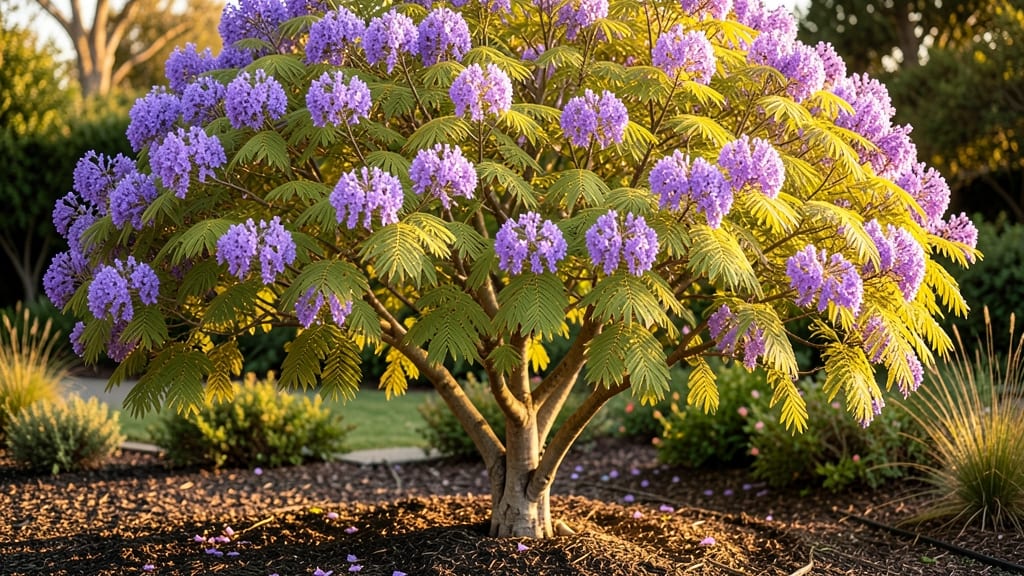
The purple jacaranda mimosifolia flowering tree 🌸 is the showstopper of subtropical gardens, but planting it at the wrong time can mean years of waiting for those iconic violet cascades.
Picture this: A 30-foot canopy bursting with blossoms in late spring, turning your yard into a magnet for neighbors and pollinators alike. That dream hinges on one critical decision—when to plant it.
Miss the window, and you risk stunted growth or delayed flowering, leaving you staring at bare branches for seasons.
For USDA Zones 9a-11, the ideal planting window stretches from November through March, when soil temperatures hover between 55–65°F and frost threats have passed. In cooler microclimates (like Zone 8), late winter (February–March) gives roots time to establish before summer heat arrives.
Below, I’ll walk you through the exact timing by region, soil prep secrets to trigger earlier blooms, and the 3 pruning mistakes that kill flowering potential—so you can skip the guesswork and plant with confidence.
Optimal planting seasons for purple jacaranda trees by USDA hardiness zones
The purple jacaranda (Jacaranda mimosifolia) thrives when planted during its ideal climate window, ensuring robust root development before winter. Since it’s sensitive to frost, understanding your USDA hardiness zone is critical.
In cooler zones like 7-8, timing matters most—plant too late, and your tree may struggle to establish roots before first frost arrives.
Warmer zones (9-11) offer more flexibility, but even here, soil temperature and regional microclimates (like coastal vs. inland areas) play a role. For example, Southern California’s Mediterranean climate allows planting year-round, while Florida’s humidity demands extra attention to soil drainage.
Let’s break down the best months for each zone to guarantee a vibrant, blooming canopy within 3–5 years.
In USDA Zone 7–8, your purple jacaranda needs a 60–65°F soil temperature to root effectively. Planting in March–April ensures roots establish before summer heat, while September–October gives a head start for spring blooms. Use a soil thermometer to confirm—cold soil delays growth by 4–6 weeks.
For Zones 9–10, the window shifts to November–February to avoid summer’s scorching heat, which can stress young roots. Coastal areas like San Diego benefit from ocean breezes, while inland spots (e.g., Phoenix) may need afternoon shade during establishment. Always water deeply after planting to encourage root spread.
In Zone 11, frost is rarely a concern, but soil drainage becomes critical. Heavy clay soils common in South Florida should be amended with sand or compost to prevent waterlogging. Planting in November–March aligns with natural rainfall patterns, reducing irrigation needs.
Regional variations matter—even within zones. For example, Los Angeles’s Mediterranean climate allows year-round planting, but Tucson’s desert heat demands morning watering to prevent evaporation. Always check local microclimates; a 5-mile difference can shift frost risk by 2–4 weeks.
Pro tip: If you’re in a transitional zone (e.g., Zone 8b with late frosts), opt for container planting initially. Move pots indoors during winter or use heat lamps to protect roots until spring. This buys time for root establishment before permanent outdoor planting.
Remember, the first year is about roots, not flowers. A well-timed planting in your zone ensures your jacaranda’s stunning violet-blue blooms will appear reliably in 3–5 years, turning your yard into a springtime masterpiece. 🌸
How to choose the perfect location for maximum jacaranda blooms
The purple jacaranda mimosifolia thrives when planted in the right spot—one that mimics its native tropical/subtropical habitat. To unlock its legendary violet-blue blooms, focus on three critical factors: sunlight exposure, soil conditions, and proper spacing.
Skipping these steps often leads to sparse flowering or stunted growth, even in ideal climates.
First, sunlight is non-negotiable. Jacarandas demand 6+ hours of direct sun daily to produce their showstopping canopy. Even partial shade can reduce bloom intensity by up to 60%, while east-facing locations with morning shade may delay flowering by 1-2 years.
Think of your yard’s sunniest spot—likely a south- or west-facing area.
Next, prioritize soil drainage and pH. Jacarandas despise soggy roots, so test your soil’s pH (ideal range: 7.0–8.0) and amend heavy clay with sand or compost. If your yard floods after rain, consider planting on a slightly elevated mound or installing French drains.
A simple pH test kit (available at garden centers) costs under $10 and prevents costly mistakes.
Finally, spacing ensures your jacaranda’s dramatic 30–40 ft canopy doesn’t crowd structures or power lines. Plant at least 15–20 ft from buildings and avoid tight corners where branches may rub against walls.
Pro tip: Position your tree near patios or driveways to enjoy eye-level blooms during peak season (typically late spring).
One final warning: avoid urban heat islands like blacktop parking lots, which can scorch roots in summer. Instead, pair your jacaranda with shade-providing perennials (e.g., yucca or agave) to balance heat and aesthetics.
With these location secrets, your tree will reward you with years of showstopping blooms—not just a few sparse flowers.