
Flowers
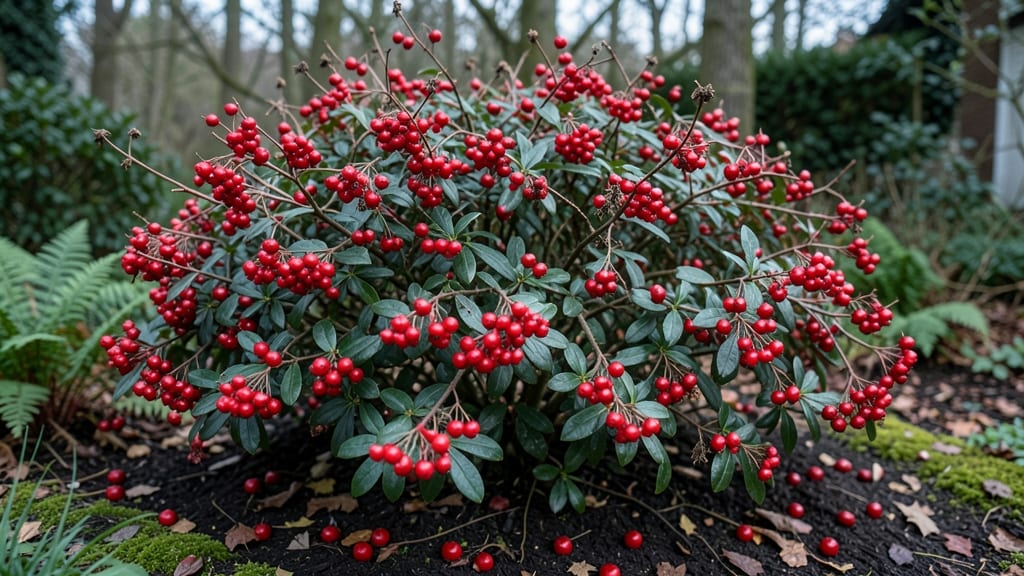
Here’s the thing: these berries aren’t just pretty—they’re the secret weapon in arrangements that stand out. Whether you’re filling a holiday wreath or a minimalist bouquet, their deep red hue and glossy finish create instant drama.
But not all berries play well together, and some need special care to keep their vibrancy.
In this guide, I’ll break down the best red berries for each season, how to pair them with flowers for maximum impact, and the simple tricks to preserve their freshness.
You’ll also learn which berries are safe for edible arrangements and which to avoid if you’ve got curious pets or kids around.
Ready to turn your next floral design into a showstopper? Let’s dive into the berries that bring the heat—literally and figuratively—to your arrangements.
Top 5 red berries for stunning flower arrangements by season
When it comes to creating seasonal flower arrangements, few elements deliver the dramatic impact of red berries. Their rich hues and glossy textures instantly transform bouquets from simple to show-stopping.
But not all red berries shine equally across seasons—some thrive in winter’s chill, while others peak in summer’s warmth. Understanding their seasonal availability and design versatility is key to selecting the perfect berries for your next arrangement.
I’ve curated the top 5 red berries that bring year-round color to your floral designs. Each offers unique textures, from holly’s spiky elegance to winterberry’s delicate clusters. Whether you’re crafting a holiday wreath or a summer centerpiece, these berries provide the perfect pop of color and structure.
Let’s explore their seasonal highlights and how to use them like a pro.
First up is holly, the quintessential winter berry. Its spiky leaves and bright red berries make it a staple for holiday arrangements. I love using holly in evergreen wreaths or mixed with pinecones and eucalyptus for a classic look.
For best results, harvest holly when berries are fully colored and firm—usually in December through February. Store them in a cool, damp environment to maintain freshness.
Next, rose hips bring a rustic charm to fall and winter designs. These orange-red berries add texture and depth to arrangements, especially when paired with dried flowers or grasses. Rose hips are perfect for autumnal bouquets or as accents in dried floral arrangements.
Just remember, they’re toxic if ingested, so keep them out of reach of pets and children. Their availability peaks from October to March, making them ideal for late-season designs.
For a seasonal twist in fall, cranberries are my go-to. Their vibrant red color and juicy texture make them perfect for Thanksgiving centerpieces or edible arrangements. Cranberries are also great for adding a pop of color to winter wreaths.
Since they’re edible, they’re a safe choice for family-friendly designs. Harvest them fresh in October and November for the best results.
If you’re looking for a luxurious touch, pomegranate seeds are a game-changer. Their deep red hue and unique texture elevate summer and fall arrangements to new heights. I often use pomegranate seeds in wedding bouquets or as accents in modern centerpieces.
To preserve their freshness, store them in the fridge and use sparingly—just a few seeds can make a big impact. Their peak season runs from August to November.
Finally, winterberry offers a delicate, cluster-like appearance that’s perfect for modern winter designs. Unlike holly, winterberry has smooth berries that create a softer look in arrangements. They’re ideal for minimalist wreaths or as accents in contemporary bouquets.
Winterberry berries are available from December to February, making them a must-have for late-winter arrangements
How to style red berries in floral arrangements: techniques for texture and depth
When styling red berries in floral arrangements, think of them as the star players that add depth and drama to your designs. Their rich color contrasts beautifully with soft florals like white roses or eucalyptus greenery, creating a striking visual impact.
The key is balancing their bold hue with complementary textures—whether that’s the feathery stems of dried lavender or the glossy leaves of lemon balm.
I’ve found that cluster placement is everything. Instead of scattering berries randomly, group them in odd-numbered clusters (think 3, 5, or 7) to create natural focal points. This mimics how berries grow on branches, making your arrangement feel organic and intentional.
For example, a trio of holly berries nestled among white hydrangeas instantly elevates a simple bouquet to something luxurious.
🌿 Pro Tips for Styling Red Berries
- Pair with eucalyptus: The silvery-blue foliage of eucalyptus contrasts perfectly with red berries, adding a modern touch to arrangements.
- Combine with dried flowers: Mix red berries with dried roses or statice for a timeless, rustic look that lasts for weeks.
- Use greenery as a base: Fern fronds or ivy create a lush backdrop that makes red berries pop without overpowering the arrangement.
- Add height with stems: Place taller berry-laden stems (like pyracantha) at the back of arrangements to draw the eye upward.
- Preserve freshness: Trim stems at an angle and place berries in cool water with a drop of bleach (1 tsp per gallon) to extend their life.
For long-lasting designs, I always recommend prepping your berries before arranging. Rinse them gently to remove debris, then pat them dry with a paper towel to prevent mold.
If you’re using fresh berries like cranberries or pomegranate seeds, store them in a single layer on a paper towel in the fridge until ready to use. This keeps them crisp and vibrant for up to a week.
Don’t forget about seasonal themes! In winter, holly berries and winterberry shine in holiday arrangements, while summer calls for rose hips or pyracantha in bright, airy bouquets.
The key is to match the berry’s natural season with your design’s mood—think cozy and warm for winter or fresh and breezy for summer.
One of my favorite tricks is to mix edible and ornamental berries for a functional yet beautiful arrangement. For example, combine cranberries (edible) with cotoneaster berries (ornamental) in a Thanksgiving centerpiece. Just be mindful of toxicity—avoid yew berries or bittersweet if you have pets or kids around.
Experiment with unexpected pairings, like pairing red berries with purple dahlias or goldenrod for a bold, unexpected contrast. The possibilities are endless, and the best part? Every arrangement tells a story. Now grab your shears and let those berries shine! 🌹