
Flowers
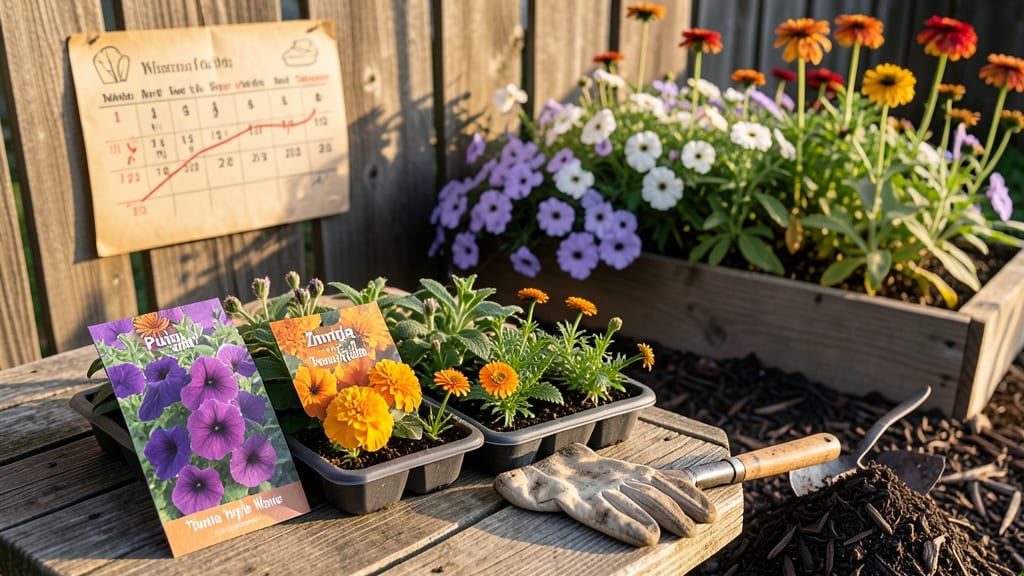
To plant flower seeds in Wisconsin, aim for mid-April to early June—after the last frost but before summer heat arrives—so your 🌱 blossoms get a full growing season.
Wisconsin’s unpredictable spring weather can make timing your flower seed planting a real challenge—but getting it right means vibrant blooms from early summer to frost.
Whether you’re a first-time gardener or a seasoned green thumb, knowing the exact last frost dates for your zone and which seeds germinate fastest can mean the difference between a thriving garden and wasted effort.
Most Wisconsin zones (3–5) see their last frost between April 15 and May 15, but urban areas and higher elevations can run weeks later. Annuals like marigolds and zinnias germinate in just 5–7 days at soil temps above 60°F, while perennials like coneflowers need a cooler start—so timing matters.
Below, I’ll break down the fastest-germinating flowers for your zone, how to adjust for microclimates, and pro tips to extend your planting window without risking frost damage.
Wisconsin last frost dates by Zone: exact timing for flower seed planting
Wisconsin’s USDA hardiness zones 3-5 create distinct planting windows for flower seeds. Zone 3 (north) has the latest frost dates, while Zone 5 (south) enjoys earlier starts. Understanding these average last frost dates helps you avoid frost damage while maximizing bloom time.
For Zone 3 (northern Wisconsin), the average last frost date falls between May 15-20. In Zone 4 (central), you can expect frost-free conditions by May 1-10. Meanwhile, Zone 5 (south) typically reaches last frost around April 25-May 5.
These dates are averages—always check your local historical frost records or use tools like the National Weather Service for real-time updates. A 5-year average gives more reliable guidance than a single year's data.
Microclimates can shift your planting window by 1-2 weeks. South-facing slopes warm faster, while valleys hold cold air longer. Urban areas may experience 2-3°F warmer conditions than rural zones.
| Zone | Avg Last Frost | Indoor Start Window | Direct Sow Window | Cold-Tolerant Picks |
|---|---|---|---|---|
| Zone 3 | May 15-20 | March 15-April 1 | May 25-June 5 | Sweet Alyssum, Snapdragons |
| Zone 4 | May 1-10 | March 1-April 15 | May 15-June 1 | Lobelia, Pansies |
| Zone 5 | April 25-May 5 | February 20-March 15 | May 1-15 | Cosmos, Marigolds |
For annual flowers, start seeds indoors 4-6 weeks before your last frost date. Perennials like coneflowers and black-eyed Susans can handle cooler soil, so you can direct sow them 2-3 weeks before your zone's average last frost.
Use row covers or cold frames to extend your season by 2-4 weeks in cooler zones. These tools create a 5-10°F warmer microclimate, letting you plant earlier for faster blooms.
Track your garden's soil temperature—most flower seeds need 50-70°F soil to germinate. A soil thermometer ($10 at garden centers) prevents wasted effort by confirming readiness.
Adjust for wet springs (delay planting) or dry years (plant earlier). Wisconsin's 2023 late frost in May caught many gardeners off guard—always have row covers ready.
For succession planting, sow fast-germinating seeds like zinnias or cosmos every 2 weeks after your last frost date. This ensures continuous blooms until fall frost.
Remember: False springs happen often in Wisconsin. Wait until nighttime temps stay above 40°F for at least 5 consecutive days before planting frost-sensitive flowers like petunias or geraniums.
Fastest-germinating flower seeds for Wisconsin gardens: top 10 picks
If you're eager to see color in your Wisconsin garden, focus on fast-germinating seeds that thrive in our cool springs and warm summers. These top 10 picks sprout in as little as 3–7 days, giving you a head start on blooms before summer heat arrives.
Whether you're planting in Zone 3 (northern WI) or Zone 5 (southern WI), these varieties adapt well to our climate.
For early spring plantings, prioritize cold-tolerant annuals like sweet alyssum and lobelia, which handle 40–50°F soil temps. By late May, switch to heat-loving picks like cosmos and zinnias, which germinate best in 60–70°F soil.
Below, I’ve ranked them by speed, planting depth, and ideal Wisconsin timing for maximum success.
- Sweet Alyssum – 3–5 days | 1/8" deep | 40–50°F soil | Early spring (March–April). Perfect for edging and containers; tolerates light frost.
- Lobelia – 4–7 days | 1/4" deep | 50–60°F soil | Late April–May. Thrives in moist, partial shade; ideal for hanging baskets.
- Marigolds – 5–7 days | 1/2" deep | 60–70°F soil | After last frost (May). Repels pests and blooms all summer.
- Zinnias – 6–10 days | 1/4" deep | 65–75°F soil | May–June. Drought-tolerant and attracts butterflies.
- Cosmos – 7–14 days | 1/2" deep | 60–70°F soil | May–June. Self-seeds and thrives in poor soil.
- Sunflowers – 7–14 days | 1" deep | 60–70°F soil | Late May–June. Choose dwarf varieties for containers.
- Nasturtiums – 7–14 days | 1/2" deep | 50–60°F soil | April–May. Edible flowers with peppery taste; great for salads.
- Calendula – 7–10 days | 1/4" deep | 60–70°F soil | May–June. Medicinal properties and bright orange blooms.
- Snapdragons – 10–14 days | 1/4" deep | 55–65°F soil | April–May (biennial). Cold-hardy and long-lasting.
- Black-Eyed Susans – 14–21 days | 1/4" deep | 60–70°F soil | Early spring (perennial). Low-maintenance and drought-resistant.
For Zone 3 gardeners, start sweet alyssum and lobelia indoors in March to beat frost. In Zone 5, you can direct-sow marigolds and zinnias as early as mid-April if nights stay above 40°F.
Always test soil temps with a thermometer—seeds won’t sprout until conditions match their ideal range.
Pro tip: Use row covers to warm soil faster in cool springs. For late summer blooms, succession-plant cosmos and sunflowers every 2 weeks until July 1. These fast growers ensure nonstop color from June to frost.
My personal favorite? Zinnias—they’re disease-resistant, butterfly magnets, and bloom in 60 days from seed. Try the 'Benary’s Giant' variety for 6-inch blooms that last all summer.