
Light Requirements
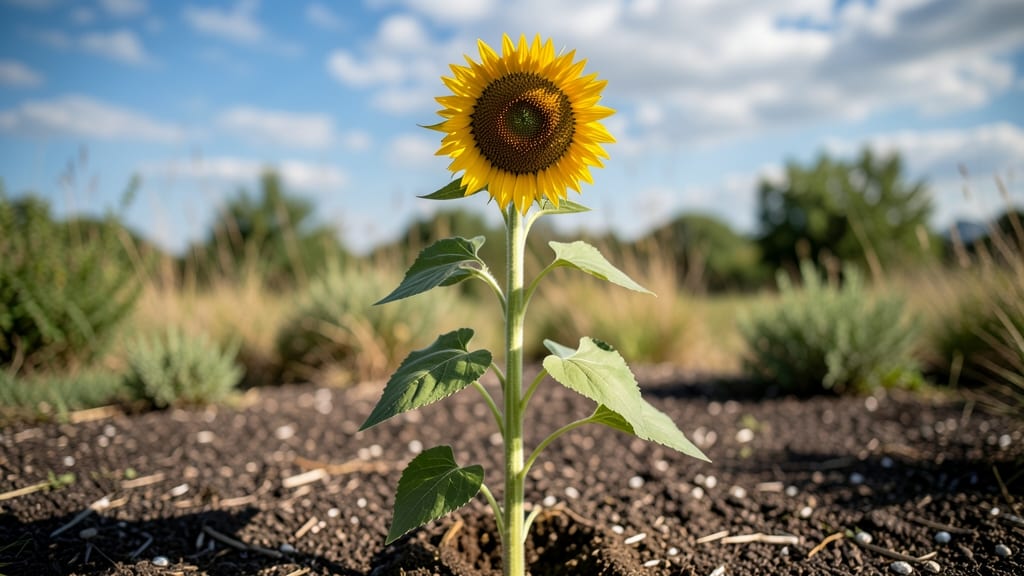
Sunflowers need how many hours of sun do sunflowers need to thrive? The answer is 6 to 10 hours of direct sunlight daily to grow tall, vibrant blooms that reach their full potential—skimp on light, and you’ll end up with spindly stems and half-hearted flowers.
Picture this: you’ve spent weeks nurturing your 🌻 seedlings, only for them to stretch toward the sky like they’re reaching for something they can’t quite grasp. That’s your sunflower’s way of saying, "I need more light!"—and it’s a clear sign you’re not meeting their basic needs.
Without enough sun, even the hardiest varieties will struggle to stand upright, let alone produce those iconic golden faces.
But here’s the good news: sunflowers are forgiving. While they thrive in full sun, they can tolerate partial shade—especially in hot climates where afternoon heat might scorch delicate petals.
The key is understanding how much light your specific variety needs, from towering giants that demand 10+ hours to smaller types that do well with just 6 hours.
In this guide, I’ll break down the ideal sunlight range, how to spot when your plants aren’t getting enough, and practical tips to maximize their exposure—whether you’re in a sunny backyard or a slightly shadier corner of your garden.


Optimal sunlight hours for sunflowers by variety and growth stage
Sunflowers are sun-worshippers by nature, but not all varieties demand the same amount of sunlight. While most need full sun exposure, the exact hours of sunlight per day can vary based on the type and growth stage.
Understanding these differences ensures your sunflowers grow tall, strong, and vibrant rather than leggy and weak. Let’s break down the sunlight requirements for different sunflower varieties and their growth phases.
Giant sunflower varieties, like Mammoth or Russian Giant, are the most demanding, requiring 10+ hours of direct sunlight daily to reach their towering heights of 10–16 feet.
Standard varieties, such as Autumn Beauty or ProCut, thrive with 6–8 hours of sunlight and are more adaptable to slightly shadier conditions. Meanwhile, dwarf sunflowers, like Teddy Bear, can tolerate 4–6 hours of sun, making them ideal for container gardens or partial shade spots.
| Variety Type | Ideal Sunlight Hours | Seedling Stage | Mature Plant | Shade Tolerance |
|---|---|---|---|---|
| Giant (e.g., Mammoth, Russian Giant) | 10–12+ hours | 4–6 hours (partial shade) | 10+ hours (full sun) | Very low (stunted growth) |
| Standard (e.g., Autumn Beauty, ProCut) | 6–8 hours | 4–6 hours (partial shade) | 6–8 hours (full sun) | Moderate (can tolerate 4 hours) |
| Dwarf (e.g., Teddy Bear, Moulin Rouge) | 4–6 hours | 3–4 hours (partial shade) | 4–6 hours (full sun preferred) | High (adapts to shade) |
| All Varieties (Seedlings) | N/A | 4–6 hours (partial shade) | Transition to full sun | Low (risk of damping off) |
Sunflower seedlings are particularly sensitive to sunlight. During their early growth stages, they need partial shade—around 4–6 hours of sunlight per day—to prevent overheating and wilting. Once seedlings reach 3–4 inches tall, gradually transition them to full sun exposure over 7–10 days.
This hardening-off process helps them develop stronger stems and leaves, preparing them for their mature sunlight requirements.
If you're growing sunflowers in a northern climate or during shorter summer days, supplement natural sunlight with a grow light for 4–6 hours in the evening. This extra light can help giant varieties reach their full potential.
In hot, dry climates, however, morning sun is ideal to prevent leaf scorching while still providing the 6–10 hours of sunlight they crave.
Even sun-loving sunflowers can show signs of insufficient sunlight if deprived. Look for leggy stems, pale or yellowing leaves, and delayed blooming. These are clear indicators that your sunflowers need more light.
For container-grown sunflowers, rotate the pots every few days to ensure even sunlight distribution and prevent them from leaning toward the light source.
For urban gardeners with limited space, consider vertical gardening or planting sunflowers near reflective surfaces like white walls or mulch. These tactics can increase sunlight exposure by bouncing light back onto the plants.
Additionally, choosing dwarf or semi-dwarf varieties can help you grow sunflowers in partial shade gardens or even on balconies with south-facing exposure.
Remember, sunflowers are resilient, and slight deviations in sunlight won’t kill them—but it will impact their growth and bloom quality. By tailoring their sunlight exposure to their variety and growth stage, you’ll enjoy taller stems, brighter petals, and bigger seed heads that are the hallmark of healthy sunflowers.
With the right light, your sunflowers will shine as brightly as their namesake.
🌻
Signs your sunflowers aren’t getting enough sun (and how to fix it)
Sunflowers are sun-worshippers by nature, and when they don’t get enough light, their growth suffers dramatically. If your sunflowers are looking leggy or pale, they’re likely begging for more sunlight. These visual cues are your garden’s way of saying, “Move me closer to the sun!”
One of the first signs of insufficient sunlight is stretched stems that lean dramatically toward the light source. This is called etiolation, where the plant grows tall and weak in its desperate search for sun.
You might also notice smaller-than-expected petals or flowers that fail to fully open, leaving them looking half-hearted and droopy.
Delayed blooming is another red flag. If your sunflowers are taking longer than expected to flower—often 60+ days instead of the usual 50–70 days—they’re likely starved for light. Even if they eventually bloom, the flowers may be dull in color or less vibrant than their sun-drenched counterparts.
⚠️ WARNING ⚠️ Sunflowers need 6–10 hours of direct sunlight daily to thrive. Most varieties—especially giant sunflowers—require at least 8 hours for optimal growth.
If your plants are getting less than 6 hours, they’ll struggle to reach their full potential. Seedlings need 4–6 hours initially, but they’ll outgrow this quickly. Without enough light, they’ll become weak and spindly, making them vulnerable to pests and diseases.
If you’ve identified the problem, the good news is that fixing it is easier than you think. Start by relocating your sunflowers to a sunnier spot in your garden. Look for areas with south-facing exposure (in the Northern Hemisphere) or north-facing in the Southern Hemisphere.
If your garden lacks natural sunlight, consider using reflective mulch or white gravel around the base of the plants to bounce extra light onto their leaves.
For container-grown sunflowers or those in shaded areas, grow lights can be a lifesaver. Place a full-spectrum LED grow light 6–12 inches above the plants and provide 12–14 hours of light daily. This mimics the sun’s intensity and helps them grow strong.
If you’re dealing with tall sunflowers blocking sunlight from shorter plants, try thinning them out or pruning side branches to improve airflow and light penetration.
Finally, if your sunflowers are already etiolated, don’t despair. With immediate action—like moving them to a sunnier spot and providing extra care—they can often recover and rebound. Keep an eye on their progress, and soon you’ll have vibrant, towering sunflowers that’ll be the star of your garden! 🌻