
Container Gardens
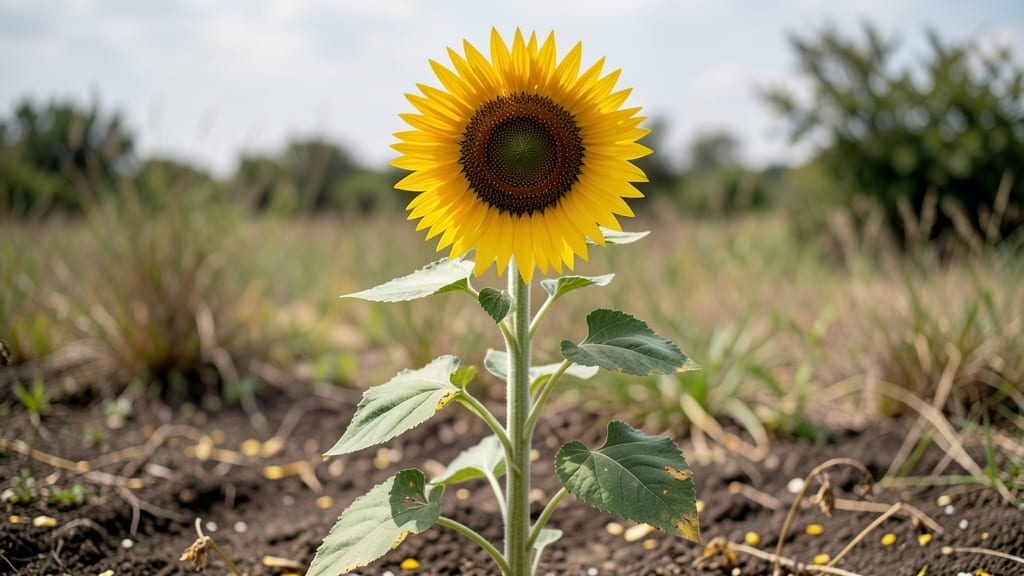
Growing sunflowers at the right time in the sunflower growing season means the difference between a 4-foot bush and a towering 12-foot giant—it’s all in the timing.
Picture this: You’ve waited all spring, finally planting those seeds after the last frost, only to watch them bolt in the heat or wilt under an unexpected late freeze. That’s why knowing your USDA zone matters more than you think—especially if you’re chasing those record-breaking stalks.
Sunflowers thrive when planted after the last frost, but the exact window varies wildly from Zone 3’s chilly April to Zone 11’s mild March. Too early, and frost zaps their energy; too late, and summer’s heat stunts their growth before they even start.
Here’s how to nail the perfect planting month for your region—and keep your sunflowers reaching for the sky.
You’ll discover the exact frost-free dates by zone, the soil temperature secrets that trigger germination, and the one mistake that cuts stalk height by 30%.
Plus, I’ll share my top tricks for extending the season—because even in short summers, you can still grow sunflowers tall enough to block your neighbor’s fence.
Sunflower planting calendar by USDA Zone for maximum height
Timing is everything when you want sunflowers to reach their maximum height. The difference between planting in April versus June can mean stalks that tower over your fence or ones that barely clear your head.
Your USDA zone dictates the perfect window—too early, and frost will kill tender sprouts; too late, and your sunflowers won’t have enough time to mature. Let’s break down the exact months to plant for each zone, plus the soil temperature secrets that ensure rapid germination.
Sunflowers thrive when soil temperatures hit 55°F (13°C)—a threshold most zones reach in late spring. But cooler zones like USDA Zone 3 need a head start, while warmer zones like Zone 11 can plant as early as February.
The key is aligning your planting with your last frost date and giving your sunflowers 90-120 days of warm weather to grow. Below, you’ll find a zone-by-zone breakdown, including height expectations and critical growth stages.
🌱 Pro Tip: Use a soil thermometer to confirm temperatures before planting. If your soil is below 50°F (10°C), wait—cold soil delays germination by weeks.
| USDA Zone | Planting Window | Soil Temp for Germination | Height Potential | Critical Growth Stage |
|---|---|---|---|---|
| 3-4 | Mid-May to early June | 55-60°F (13-16°C) | 6-10 ft | Flower bud formation by July 4 |
| 5-6 | Late April to mid-May | 50-55°F (10-13°C) | 8-12 ft | Full bloom by August 15 |
| 7-8 | Early March to April | 45-50°F (7-10°C) | 10-14 ft | Seed maturity by October 1 |
| 9-10 | January to February | 40-45°F (4-7°C) | 12-16 ft | Continuous flowering year-round |
| 11 | Year-round (best in winter) | 35-40°F (2-4°C) | 14-18 ft | Harvest seeds every 2 months |
Notice how warmer zones like Zone 11 can plant year-round and achieve giant heights of 14-18 feet? That’s because their longer growing season and warmer soil create ideal conditions. In contrast, Zone 3 gardeners must wait until mid-May to avoid frost damage, limiting their sunflowers to 6-10 feet.
The difference in height comes down to days to maturity—plant too late, and your sunflowers won’t reach their genetic potential.
For maximum height, aim to plant sunflowers when your zone’s average last frost date has passed. Use this rule of thumb: Count backward 90 days from your first frost date. That’s your final planting deadline.
For example, if your first frost is October 15, plant by July 15 to ensure your sunflowers mature before cold sets in. Miss this window, and you’ll end up with stunted stalks or no blooms at all.
Another critical factor is soil preparation. Sunflowers love loose, well-draining soil rich in organic matter. Before planting, amend your soil with compost or a balanced fertilizer (10-10-10) to give your sunflowers a nutrient boost.
In cooler zones, like Zone 4, consider using black plastic mulch to warm the soil faster and extend the growing season by 2-3 weeks.
If you’re in Zone 5-7, you can push the envelope with succession
How to extend your sunflower growing season for giant stalks
Sunflowers thrive when given the right conditions, but their natural growing season can feel too short to achieve those 10-foot giants you dream of. The key to extending their season lies in smart planning—choosing cold-hardy varieties, protecting young plants, and mastering succession planting.
Even in cooler climates, you can coax towering stalks by starting seeds indoors or using seasonal row covers to shield tender shoots from late frosts.
I’ve grown 14-foot sunflowers in Zone 5 by combining these techniques, and the secret isn’t just about timing—it’s about understanding the five critical factors that determine sunflower height. From soil warmth to water consistency, every detail matters.
Let’s break down how to push your sunflowers beyond their usual limits, so you can enjoy those golden giants well into fall.
Top 5 Factors That Determine Sunflower Height
- Variety Selection: Dwarf varieties max out at 3 feet, while Mammoth types can reach 16 feet. Choose cold-hardy hybrids like 'Autumn Beauty' for extended seasons.
- Soil Temperature: Seeds need 60°F+ soil to germinate. Use black plastic mulch to warm cold soil faster in spring.
- Watering Consistency: Deep watering 2x/week prevents stunted growth. Drought stress can reduce height by 30%.
- Sunlight Exposure: 8+ hours of direct sun daily is non-negotiable. Shade reduces stalk strength and height potential.
- Frost Protection: Use row covers or cloche tunnels to shield young plants from late spring frosts, which can kill tender shoots.
One of my favorite tricks is succession planting, where I stagger sunflower seeds every 2-3 weeks after the last frost. This ensures a continuous harvest and extends the season by 4-6 weeks.
For example, in Zone 6, I plant the first batch in early May and follow with two more in June—this way, I enjoy blooms from July through September. The trade-off? You’ll need space, but the payoff of taller, healthier stalks is worth it.
Don’t overlook the power of row covers or cold frames to protect young plants. Even a light frost can set back growth, and in cooler zones like 4 or 5, a floating row cover can add 2-3 weeks to your growing window.
I’ve seen sunflowers that would’ve topped out at 6 feet reach 10 feet just by shielding them from early chills. Pair this with a balanced fertilizer (like 10-10-10) applied at planting and again at 6 weeks, and you’ll see dramatic height differences.
Watering might seem simple, but strategic scheduling is everything. Sunflowers need 1-2 gallons of water per week, but timing matters. Water in the early morning to reduce evaporation and fungal risks.
In my garden, I use a drip irrigation system set to run for 30 minutes every other day during dry spells. This method keeps the soil consistently moist without overwatering, which can lead to weak stems and shorter stalks.
Finally, if you’re in a short-season zone, consider starting seeds indoors 4-6 weeks before the last frost. Use biodegradable pots to transplant seedlings outdoors without disturbing roots.
I’ve grown 12-foot sunflowers in Zone 4 by starting seeds in March under grow lights, then hardening them off before transplanting in May. The early start gives them a head start, and with proper care, they catch up to their full height potential by summer.