
Flowers
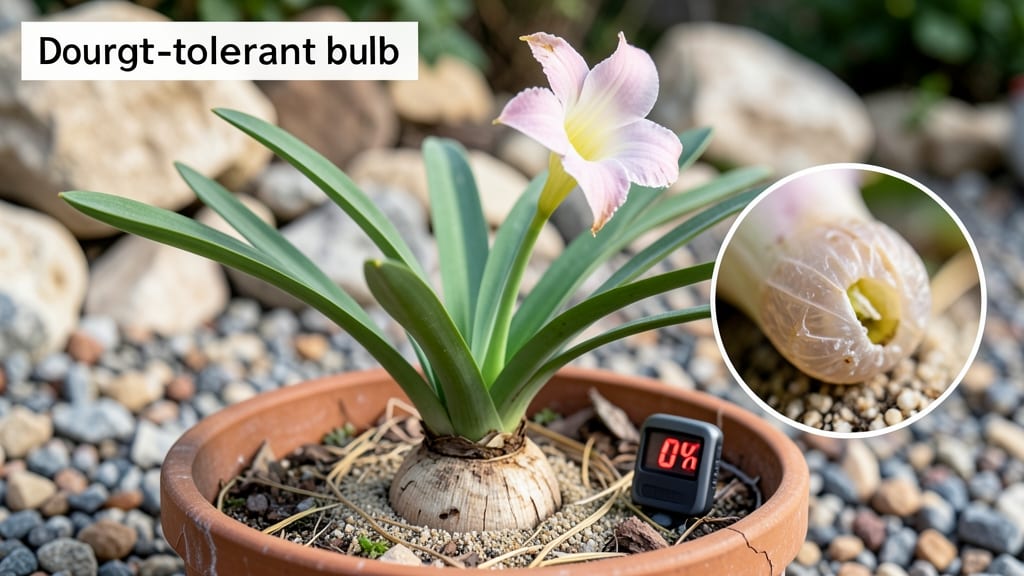
Growing a waterless flower bulb like Paperwhite Narcissus or Zephyranthes 🌱 is easier than you think—and it requires almost no water once set up.
Picture this: vibrant blooms on your desk, balcony, or windowsill, with no soil mess, no watering can, and zero guesswork. These drought-resistant beauties thrive on minimal care, making them perfect for busy gardeners or small spaces.
Here’s the secret: these bulbs absorb moisture from a specialized gel or pebble setup, so they never wilt. In this guide, I’ll walk you through selecting the right variety, setting up your low-water system, and keeping those flowers popping up season after season—without a single drop of extra water.
Whether you’re a beginner or a seasoned gardener, you’ll discover 3 foolproof tips to maximize blooms and troubleshoot common issues like weak stems or slow growth. Let’s get those waterless wonders flourishing!
How waterless flower bulbs work: science behind the magic
Waterless flower bulbs might seem like gardening magic, but they’re actually a clever blend of hydroponic science and drought-resistant plant biology. Unlike traditional bulbs that rely on soil and frequent watering, these bulbs use a gel-based or pebble-based moisture system to deliver just the right amount of hydration.
This system mimics how some desert plants store water in their bulbs, ensuring your flowers thrive without the hassle of watering.
The secret lies in the hydrogel beads or moistened pebbles that surround the bulb. These materials hold moisture and release it slowly over time, creating a self-watering environment. The bulb’s natural ability to store nutrients in its fleshy layers means it doesn’t need frequent feeding either.
This combination allows blooms to last for weeks without a single drop of extra water added by you.
Not all bulbs work this way—only specific varieties like Paperwhite Narcissus, Zephyranthes (Rain Lily), and Amaryllis are suited for waterless growing. These plants are epiphytes or geophytes, meaning they’ve evolved to thrive in low-moisture conditions.
Their roots absorb water efficiently, and their bulbs store energy for long periods, making them perfect for this innovative growing method.
Here’s how the nutrient delivery system works: the hydrogel or pebbles don’t just hold water—they also contain slow-release fertilizers. These nutrients dissolve gradually, providing the bulb with essential minerals like phosphorus and potassium to support blooming.
This eliminates the need for liquid fertilizers and reduces the risk of overfeeding, which can harm traditional bulbs.
The growth cycle of waterless bulbs is fascinating. Unlike traditional bulbs that require a dormancy period, these varieties often bloom year-round in frost-free zones. For example, Paperwhite Narcissus typically blooms in winter months, while Zephyranthes can flower multiple times a year if given the right conditions.
This makes them ideal for indoor gardeners who want consistent color without seasonal limitations.
One of the most impressive aspects is how these bulbs regulate their own water intake. The hydrogel or pebbles create a microclimate that prevents overhydration or drying out. The bulb’s roots only absorb what they need, reducing waste and ensuring the plant stays healthy.
This is especially beneficial in dry climates or small spaces where overwatering is a common issue.
For long-term success, these bulbs rely on their stored nutrients and the slow release from the hydrogel. Unlike soil-grown bulbs that need regular feeding, waterless varieties can go months without additional nutrients. This makes them low-maintenance champions for busy gardeners or those new to planting.
If you’ve ever struggled with overwatering or soil mess, waterless bulbs offer a refreshing alternative. Their ability to thrive with minimal intervention is a game-changer for urban apartments, offices, or small balconies.
Plus, the visual appeal of watching blooms emerge from a simple pebble or gel setup is undeniably satisfying.
Ready to try it? Start with a Paperwhite Narcissus or Zephyranthes—both are beginner-friendly and perfect for experimenting with this innovative growing method. Just remember: the key to their success is patience and the right setup.
With the right conditions, you’ll enjoy months of blooms without lifting a watering can.
Step-by-Step guide to planting and caring for waterless flower bulbs
Waterless flower bulbs like Paperwhite Narcissus or Zephyranthes are designed to thrive with minimal moisture, using a gel or pebble-based system instead of traditional soil. The key to their success lies in the right setup—container choice, bulb placement, and light exposure all play critical roles.
Unlike regular bulbs, these require almost no watering after the initial planting, making them perfect for desks, offices, or small spaces where maintenance is a challenge.
Before you begin, gather your supplies: a clear glass container (like a vase or jar), water-absorbing gel or pebbles, and your chosen waterless bulbs. The gel or pebbles act as a moisture reservoir, slowly releasing hydration to the roots over time.
This system mimics natural rainfall, ensuring your bulbs never dry out—yet never become waterlogged, which can cause rot. Let’s dive into the step-by-step process to get your waterless garden blooming beautifully.
How to Plant Waterless Flower Bulbs
- 🌱 Step 1: Choose Your Container
Select a clear glass container (e.g., vase, jar, or bowl) with a wide mouth for easy bulb placement. The transparency allows light to reach the bulbs, encouraging growth. - 💧 Step 2: Prepare the Moisture Base
Add a 1-inch layer of pebbles or gel to the bottom of the container. For gel, soak it in water for 10 minutes until fully hydrated. This layer will store moisture for weeks. - 🌿 Step 3: Place the Bulbs
Arrange bulbs base-down, spacing them 1-2 inches apart. Ensure they’re not touching the container walls to allow airflow and prevent rot. - ☀️ Step 4: Add Final Layer
Top with another 1-inch layer of pebbles or gel. This keeps bulbs in place and maintains moisture without overwatering. - 🪴 Step 5: Position for Light
Place your container near a south-facing window or under grow lights for 6+ hours of sunlight daily. Avoid direct midday sun, which can overheat the bulbs.
Once planted, your waterless bulbs will begin sprouting in 4-6 weeks, with flowers appearing shortly after. The beauty of this system is that you’ll only need to add water once every 4-6 weeks—or not at all if using pre-hydrated gel.
However, avoid the temptation to overwater; these bulbs are designed to thrive on minimal moisture, and excess water can lead to mold or root rot.
For long-term care, focus on light exposure and occasional fertilization. Use a balanced fertilizer (5-10-10 NPK) every 6-8 weeks during the growing season to encourage blooms. After flowering, allow the bulbs to rest for 2-3 months in a dry, cool place before replanting.
This cycle ensures your waterless bulbs keep blooming year after year with almost no effort.
Avoid these common mistakes that can stunt growth or kill your bulbs: using opaque containers (blocks light), overcrowding bulbs (reduces airflow), or placing them in drafty areas (causes temperature stress). With the right setup, your waterless flower bulbs will reward you with vibrant, low-maintenance blooms for seasons to come.
Ready to try it? Grab a clear vase, some Paperwhite Narcissus bulbs, and a sunny windowsill—your no-fuss garden is just a few steps away! 🌷