
Flowers
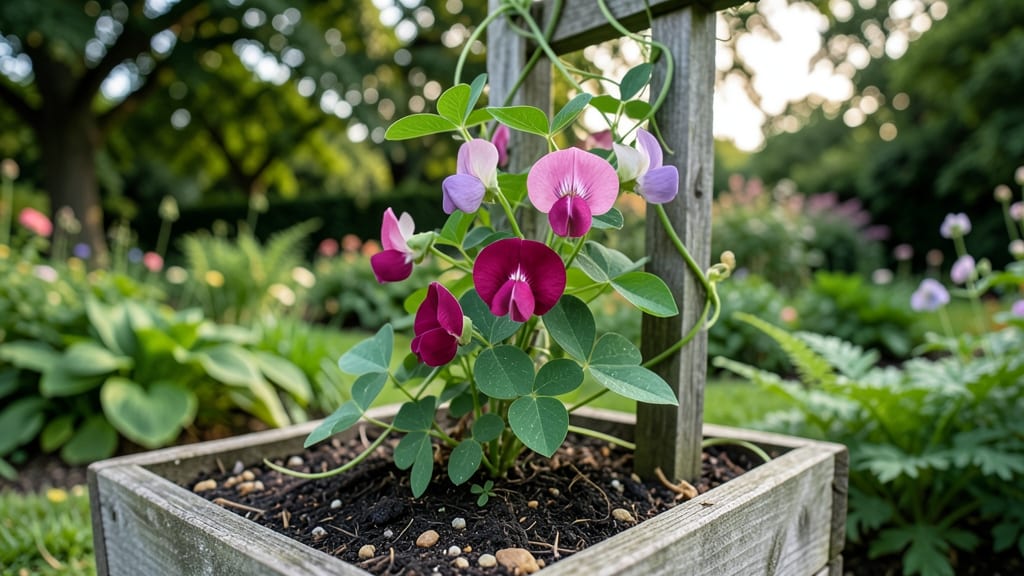
Sweet peas flower in what month do sweet peas flower—late spring through summer, with timing that shifts dramatically depending on where you garden—think May in cooler zones and as early as April in warmer climates.
Picture this: you’ve spent weeks coaxing those delicate 🌸 vines upward, only to wonder why your neighbors’ gardens are bursting with color while yours still sports just leaves. The secret? Planting too early or too late can delay blooms by weeks—or even months.
But with the right timing, you’ll enjoy fragrant clusters from June through August, even in USDA Zone 6a.
Climate plays a bigger role than most gardeners realize. In the Pacific Northwest, sweet peas often kick off in May, while Southern gardens may see their first blooms by April. Microclimates—like a sunny balcony or shaded corner—can push those timelines even earlier or later.
The key is aligning your planting window (March–April) with your local frost dates to avoid wasted effort.
Ready to plan your peak blooms? Below, I’ll break down the exact months by zone, plus 5 proven tricks to force earlier flowers—so you’re not left admiring your neighbors’ sweet pea displays from the sidewalk. Let’s get those vines flowering!
Sweet pea flowering months by USDA climate zones: exact timing guide
Sweet peas are cool-season bloomers, but their flowering windows vary dramatically across USDA zones 3-10. In Zone 3, you might see first blooms as early as late May, while Zone 10 gardeners enjoy flowers from January through March.
Understanding these patterns helps you plan for continuous blooms or timed displays—like coordinating with weddings in June or holiday arrangements in December.
Regional microclimates add another layer: Pacific Northwest gardens often bloom 2-3 weeks earlier than California's Central Valley due to cooler coastal air. Meanwhile, urban balconies in Zone 7 cities like Chicago may flower 10 days later than rural areas because of heat island effects.
Let’s break down the exact timing for your zone, plus how to adjust for containers or frost-sensitive varieties.
For Zone 3-4 gardeners, 'Cupani' and 'Blue Danube' are your best bets for cold tolerance. These varieties can handle light frosts and often rebloom after a brief heatwave. I’ve seen them flower again in September if given consistent moisture and partial shade during summer’s peak.
In Zones 5-6, the 6-week window between early May and June is critical. This is when daylength increases trigger flowering—so avoid late winter pruning, which can delay blooms.
Instead, focus on soil temperature: sweet peas need 45-55°F soil to germinate, so use row covers if nights dip below 40°F.
Southern gardeners in Zones 9-10 have a unique advantage: winter blooms. Varieties like 'Carnegie' thrive in cool, wet winters and often flower heaviest in February.
Here, the challenge is summer heat: temperatures above 85°F cause buds to drop. I recommend drip irrigation and morning watering to keep roots cool.
Balcony gardeners can extend seasons with container adjustments. Use 10-inch pots with well-draining mix (50% compost, 30% perlite, 20% coco coir) to prevent root rot.
In Zone 7 cities, I’ve had 'Painted Lady' bloom 3 weeks earlier by placing pots on black plastic trays—the extra heat speeds germination. Just watch for aphids, which love container-grown sweet peas.
Pro tip: Deadhead spent blooms to encourage continuous flowering. In Zones 5-8, this can extend the season by 4-6 weeks. Pair this with weekly feeding (use 10-20-20 fertilizer) during peak bloom months.
I’ve seen 'Oregon Sugar' in Zone 9 produce three flushes of blooms in a single season with this care!
Remember, microclimates matter. A south-facing wall can add 10-14 days to your bloom time, while low-lying areas may experience late frosts that delay flowering. Always check your local frost dates and adjust planting by 4-6 weeks earlier for
How to force earlier sweet pea blooms: 5 proven techniques
Sweet peas are notorious for their delicate timing, but with the right tricks, you can extend their blooming season by weeks. The key lies in understanding their temperature triggers and growth habits.
Most varieties need consistent cool nights (50-60°F) to set buds, but warm soil speeds up germination. Here’s how to hack their natural rhythm for earlier, longer-lasting blooms.
First, choose your fast-blooming varieties—these are bred to flower 3-4 weeks earlier than traditional types. Varieties like 'Early Purple' or 'Cupani' can bloom in as few as 70 days from seed, compared to 90+ days for classic cultivars.
Pairing these with soil warming techniques doubles your chances of beating the frost.
5 Proven Techniques for Earlier Blooms
- 1. Pre-warm soil with black plastic mulch 2 weeks before planting to raise soil temps by 5-10°F.
- 2. Plant in late winter (Feb-March) under cloche protection for faster germination.
- 3. Use companion plants like borage or nasturtiums to retain soil warmth.
- 4. Deadhead aggressively every 3-4 days to stimulate new buds.
- 5. Fertilize with high-phosphorus (10-20-20) at first signs of buds.
Timing your planting date is critical—sow seeds 4-6 weeks before your last frost date, but not earlier. Cold, wet soil slows germination, and seedlings can rot. For zone 5-7 gardens, aim for mid-March plantings. In warmer zones (8+), start in February under row covers to jumpstart growth.
Don’t overlook companion planting—sweet peas thrive near alliums or marigolds, which repel pests and improve soil structure. Avoid planting near tomatoes or potatoes, as they compete for nutrients. For container gardens, pair with dwarf nasturtiums to create a microclimate that stays 2-3°F warmer.
Post-harvest care makes all the difference. After cutting blooms, feed with diluted fish emulsion to replenish nutrients. Mulch with straw or grass clippings to insulate roots during cool nights. In zone 4-6, protect plants with frost blankets at night to extend the season by 2-3 weeks.
With these techniques, you’ll transform your garden into a fragrant sweet pea paradise weeks before your neighbors even see buds. The secret? Outsmart nature’s timing with science-backed shortcuts. Start experimenting this year—your earliest blooms will thank you! 🌸