
Flowers
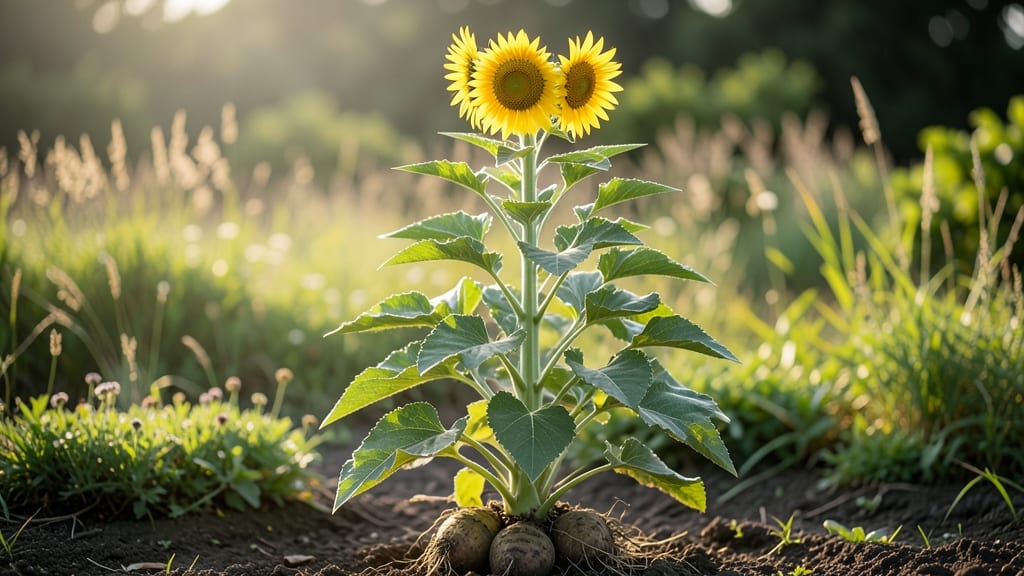
Sunchokes flower in mid-to-late summer, typically between June and August, when their tall, delicate purple blooms rise above the foliage 🌱 — but there’s a catch if you’re hoping for a harvest.
If you’ve ever wondered why your sunchokes seem to disappear underground just as summer peaks, you’re not alone — timing their flowers is the key to unlocking a bountiful harvest.
These perennials take two years to mature, meaning the first year’s energy goes into root growth, while the second year produces both flowers and tubers. Understanding this cycle helps you plan for the best harvest window in late summer or early fall.
Below, I’ll break down the exact flowering timeline by climate zone, how to encourage blooms for bigger tubers, and the common mistakes that keep your sunchokes from flowering at all.
Sunchoke flowering timeline: months, climate zones, and growth stages
Sunchokes (Helianthus tuberosus) typically bloom between June and August in most regions, but their flowering timeline depends heavily on climate zones and growth stages. Unlike annuals, sunchokes are perennials with a 2-year cycle—meaning they won’t flower until their second growing season.
Understanding this cycle is key to maximizing your harvest and encouraging vibrant blooms.
The first year focuses on tuber development, while the second year shifts energy toward flowering and seed production. In USDA Zones 3-5, flowering may start as early as late June, while Zones 7-9 often see blooms extending into early September.
Warmer climates can even push flowering into October, but frost will cut it short.
Here’s the critical timeline: Plant tubers in spring (March–April), expect 1-2 ft growth in Year 1, and watch for 3-6 ft stalks with yellow daisy-like flowers in Year 2. The flowering window aligns with peak summer heat, which triggers their reproductive phase.
| Growth Stage | Months (USDA Zones 5-7) | Climate Adjustments | Key Actions |
|---|---|---|---|
| Year 1: Tuber Establishment | March–October | Cooler zones (3-4): Shorter season | Plant tubers 4" deep, 12" apart |
| Year 2: Flowering Begins | June–August | Warmer zones (8-9): Late blooms (Sept) | Fertilize lightly in spring (10-20-10) |
| Peak Blooms | July–August | High humidity delays blooms | Water deeply 2x/week; avoid wilt |
| Post-Flowering (Tuber Maturity) | September–October | Frost-sensitive; harvest before freeze | Cut back foliage; harvest tubers |
| Dormancy | November–February | Cold zones: Tubers survive winter | Mulch heavily; protect from rodents |
Climate zones drastically alter sunchoke flowering times. In Zone 3, where winters are harsh, flowering may be delayed until mid-July due to slower spring warming. Conversely, Zone 9’s mild winters allow for extended blooming into September, provided frost doesn’t intervene. Even within a zone, microclimates (like urban heat islands) can shift blooms by 1-2 weeks.
Sunchokes are heliophiles, meaning they thrive in full sun (6+ hours daily). In shadier spots, flowering may be sparse or delayed as the plant prioritizes tuber growth over reproduction.
If your garden is partially shaded, consider pruning nearby trees or transplanting to a sunnier location by Year 2 to encourage blooms.
Soil fertility also plays a role. While sunchokes are low-maintenance, they need moderate nutrients to flower. Over-fertilizing with nitrogen in Year 1 can lead to leafy growth at the expense of tubers, delaying Year 2 blooms. Instead, use a balanced 10-20-10 fertilizer in early spring of Year 2 to support flowering.
One common misconception is that sunchokes flower annually. In reality, healthy plants will bloom every year after establishment, but overcrowding or poor soil can suppress flowers.
If your sunchokes aren’t flowering by mid-summer of Year 2, check for root competition—thin plants to 18 inches apart and add compost to boost vigor.
Pro tip: If you’re growing sunchokes for tubers (not flowers), you can prune blooms in Year 2 to redirect energy back to the roots. However, if you love their cheerful yellow blooms, leave them be—they’ll self-seed and spread naturally, creating a low-maintenance perennial border in your garden.
🌱
How to encourage sunchoke flowers for a bigger harvest
Sunchokes (Helianthus tuberosus) are famous for their edible tubers, but their flowering habit is just as fascinating—and crucial for maximizing your harvest. When sunchokes flower, they’re signaling that their energy is shifting underground, producing larger, more abundant tubers.
But not all plants bloom reliably. With the right conditions, you can trigger flowering and ensure a bumper crop.
First, let’s tackle the biggest misconception: sunchokes are biennials, meaning they typically flower in their second year. However, with proper care, you can encourage earlier blooms or even year-one flowering in ideal conditions.
The key lies in sunlight, soil health, watering, and pruning. Let’s break down how to optimize each factor for a flowering frenzy.
5 Key Steps to Encourage Sunchoke Flowers
- 1. Maximize Sunlight: Place plants in full sun (6+ hours daily). Partial shade delays flowering and reduces tuber size.
- 2. Feed the Soil: Amend with compost or balanced fertilizer (10-20-10) in early spring to boost root and flower development.
- 3. Water Deeply: Provide 1 inch of water weekly, focusing on the root zone. Avoid soggy soil to prevent rot.
- 4. Prune Strategically: Remove weak stems early to redirect energy to stronger growth and flowering.
- 5. Thin Crowded Plants: Space tubers 12-18 inches apart to reduce competition and encourage robust flowering.
Let’s start with sunlight, the most critical factor. Sunchokes thrive in full sun (6+ hours daily), but even slight shade can delay flowering. If your garden is shady, consider reflective surfaces like white mulch or mirrors to bounce extra light onto the plants.
I’ve seen sunchokes in partial shade produce fewer flowers and smaller tubers—so prioritize a sunny spot for best results.
Next, focus on soil conditions. Sunchokes prefer well-draining, fertile soil with a pH between 6.0 and 7.0. Before planting, mix in compost or aged manure to provide essential nutrients.
A light feeding in early spring with a balanced fertilizer (like 10-20-10) can also give your plants the boost they need to flower earlier and produce more tubers. Avoid heavy nitrogen fertilizers, though—they’ll encourage leafy growth at the expense of flowers and tubers.
Watering plays a surprisingly big role in flowering. While sunchokes are drought-tolerant once established, consistent moisture is key during the growing season. Aim for 1 inch of water weekly, delivered deeply to encourage strong root development.
Overwatering or poor drainage can lead to rot and fewer flowers, so ensure your soil has good airflow. Mulching around the base helps retain moisture and regulate soil temperature, creating ideal conditions for flowering.
Finally, don’t underestimate the power of pruning and thinning. If your sunchokes are crowded, thin them to 12-18 inches apart to reduce competition. Additionally, remove any weak or leggy stems early in the season to redirect energy toward stronger growth and flowering.
This simple step can make a noticeable difference in both flower production and tuber size. Just remember: the goal is to encourage healthy, vigorous plants that prioritize flowering over excessive foliage.
With these strategies, you’ll likely see vibrant yellow-purple blooms by mid-to-late summer, signaling that your sunchokes are hard at work producing a bountiful underground harvest. Happy gardening—and enjoy those delicious tubers! 🌻