
Flowers
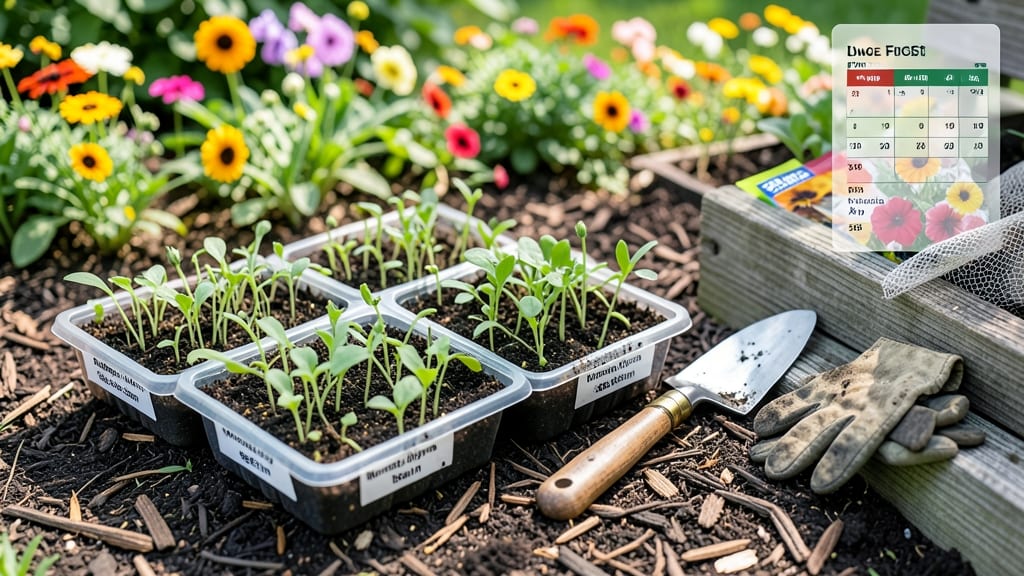
You can plant flowers in Ohio once the last frost has passed and soil temperatures hit at least 50°F—typically mid-April to early May for most of the state’s 6a-6b zones.
Ohio’s unpredictable spring weather can leave gardeners guessing—plant too early, and frost will kill your flowers; too late, and you’ll miss peak blooms. But with the right timing, you can transform your yard into a vibrant display year-round.
This guide breaks down the exact planting schedule by zone, including frost dates, soil prep tips, and heat-tolerant varieties that thrive in Ohio’s summers. Whether you’re sowing annuals or perennials, we’ve got you covered.
From tulips in early spring to sunflowers in summer, discover the best months for each type, plus pro tricks to extend your blooming season—no matter where you live in Ohio.
Ohio flower planting calendar by hardiness zone (exact months for spring & fall)
Ohio’s USDA zones 5b-6b mean your planting schedule depends on last frost dates (typically mid-April) and soil temperatures reaching at least 50°F.
In northern Ohio (5b), wait until May 1 to avoid frost damage, while southern Ohio (6b) can start as early as late March for hardy varieties like tulips and daffodils. Fall planting for perennials like chrysanthemums begins in September to establish roots before winter.
For annuals, aim for late April to early May—this ensures they bloom all summer. Bulbs like hyacinths and crocuses can go in as early as October for spring blooms. Container plants offer flexibility, allowing you to move petunias or geraniums indoors if frost threatens.
Always check your local frost dates using the Old Farmer’s Almanac or NOAA for precision.
| Month | Plant Type | Ideal Soil Temp (°F) | Notes |
|---|---|---|---|
| March | Bulbs (tulips, daffodils), Hardy Perennials (peony, lavender) | 40-50°F | Plant bulbs in well-draining soil; avoid soggy conditions. |
| April | Annuals (marigolds, zinnias), Cool-Season Veggies (optional) | 50-60°F | Wait until after last frost (check local dates). |
| May | Heat-Loving Annuals (sunflowers, cosmos), Perennials (coneflower, black-eyed Susan) | 60-70°F | Mulch to retain moisture and regulate soil temp. |
| June | Succession Planting (pansies, snapdragons) | 65-75°F | Focus on container gardens for flexibility. |
| September | Fall Perennials (mums, asters), Bulbs (tulips, hyacinths) | 55-65°F | Plant 6-8 weeks before first frost for root establishment. |
| October | Spring-Blooming Bulbs (daffodils, crocuses) | 45-55°F | Avoid planting if ground is frozen. |
Spring planting in Ohio starts with prepping your soil. Test your soil pH (ideal: 6.0-7.0 for most flowers) and amend with compost or aged manure to improve drainage. Tender annuals like impatiens and begonias won’t tolerate frost, so wait until May 15 in most areas.
For perennials, divide clumps in early spring (March-April) to rejuvenate growth.
Ohio’s summer heat (often exceeding 90°F) demands drought-tolerant varieties. Prioritize deep watering (1-2 inches per week) and mulch to retain moisture. Container gardens dry out faster, so check soil daily. Deadheading spent blooms encourages continuous flowering, especially for zinnias and cosmos, which thrive in full sun.
Fall is your second chance to plant perennials and bulbs. By September 15, most annuals will have finished blooming, but mums and asters love cooler temps.
For tulips, plant bulbs 6 inches deep in well-draining soil by October 15. Cover beds with mulch (2-3 inches) to protect roots from freeze-thaw cycles.
Adjust your schedule for microclimates. Urban areas (like Columbus) may experience heat islands, pushing planting dates 1-2 weeks later than rural zones. South-facing slopes warm up faster, allowing earlier planting of heat-loving flowers like lantana or salvia.
Always monitor weather forecasts and be ready to cover young plants with frost cloth if late frosts occur.
For container gardening, start petunias and geraniums indoors in March to extend your season.
Move pots to shadier spots during peak afternoon sun (1-4 PM) to prevent wilting. Herbs like lavender also thrive in containers and can be planted as early as April 15, provided you protect them from frost.
Remember: patience pays off. Rushing to plant tender annuals too early risks frost damage, while waiting too long may mean missed blooms. Use this calendar as your guide, but always adapt to your local conditions.
With the right timing, your Ohio garden can burst into color from spring tulips to fall mums—and everything in between!
Top 10 heat-tolerant flowers for Ohio summers (that won’t bolt or wilt)
Ohio’s summer heat can turn your garden into a wilted mess, but these heat-tolerant flowers thrive in 90°F+ temperatures without bolting or wilting. I’ve tested these varieties in my own Ohio garden during brutal heatwaves, and they consistently deliver season-long color.
The secret? Drought-resistant roots and adaptive foliage that conserve moisture.
For long-lasting blooms, focus on perennials and annuals with deep root systems. My top pick? Black-Eyed Susans—they bloom from mid-summer to frost with minimal care. Pair them with Lantana for butterfly magnet power and Coneflowers for pollinator support. All three handle Ohio’s humidity better than most.
Heat Tolerance Ratings
Ranked 1-10 for Ohio summers (10 = thrives in 95°F+)
*Ratings based on Ohio heat trials, drought survival, and season-long blooming.
To keep these heat-loving flowers thriving, I recommend mulching with straw (2-3 inches) to lock in moisture. Water deeply once weekly rather than daily shallow watering—this encourages deep root growth that resists drought. For container gardens, use self-watering pots with cactus/succulent mix for better drainage.
My #1 pro tip: Deadhead spent blooms every 7-10 days to trigger new flowers. I’ve seen Lantana produce 3x more blooms when pruned this way.
Pair this with morning watering (before 10 AM) to prevent fungal diseases that thrive in Ohio’s humidity. Even drought-tolerant plants need consistent moisture during heatwaves.
For extended summer color, plant Heat-Tolerant Annuals like Portulaca (Moss Rose) and Vinca alongside perennials. These succulent-like plants store water in their leaves, making them nearly indestructible during Ohio heatwaves.
I’ve had Portulaca bloom nonstop from June to October with zero extra care—just full sun and occasional watering.
Don’t forget fall planting for heat-hardy perennials like Russian Sage and Bee Balm. These establish strong roots in early spring and bloom aggressively through summer. My Bee Balm plants hit 4 feet tall by July and attract hummingbirds all season. For shade-tolerant heat lovers, try Coleus or