
Flowers
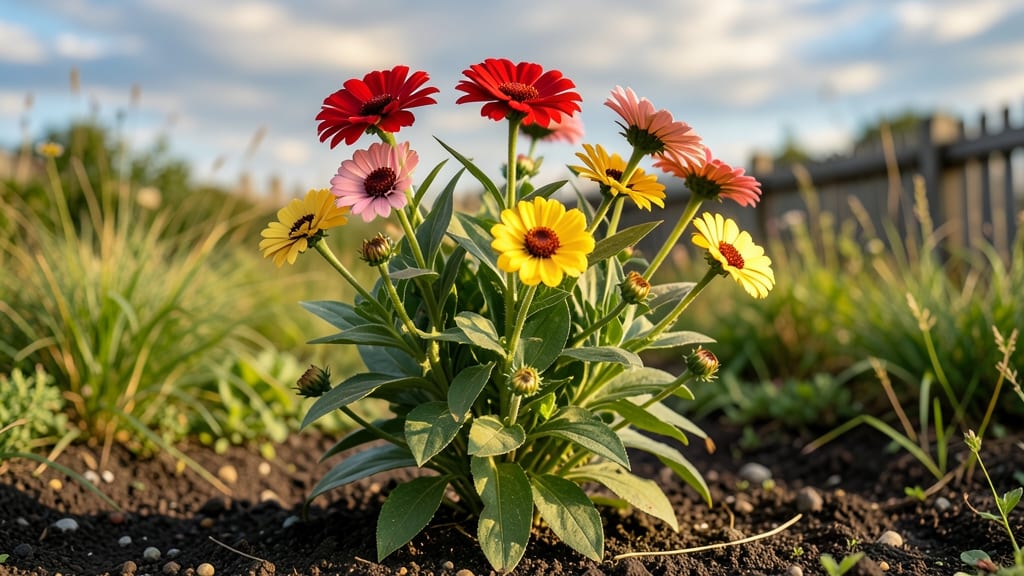
Zinnia flowers bloom from early summer through fall 🌸, with timing that depends on when you plant them and your local climate.
If you’ve ever wondered why your zinnia plants seem to vanish and reappear in a burst of vibrant color, timing is everything—these cheerful blooms follow a precise seasonal schedule that varies dramatically by variety.
For most gardeners in USDA Zone 6a, zinnias planted in April or May will burst into color by July, continuing through October if deadheaded regularly. Dwarf varieties often bloom faster, while taller types take a little longer to show off their petals.
Below, I’ll break down the exact bloom windows for early, mid, and late varieties, plus pro tips to stretch your zinnia season by 4-6 weeks—no matter where you garden.
Zinnia bloom seasons by variety: early, mid, and late bloomers explained
Zinnias are nature’s fireworks, bursting into color with precise timing that depends entirely on their variety. Whether you’re growing dwarf zinnias for container gardens or tall varieties as cut flowers, knowing when to expect blooms helps you plan for a continuous summer display.
The key lies in their bloom season categories: early, mid, and late bloomers, each with distinct characteristics and ideal planting windows.
Early bloomers like Zinnia 'Thumbelina' series kick off the show as soon as soil warms, while heat-tolerant varieties such as 'Benary’s Giant' series thrive in late summer’s scorching heat. Understanding these differences allows you to stagger plantings for nonstop color from June through frost.
Let’s break down how each category performs across USDA hardiness zones 6-10, with regional adjustments for cooler northern climates and hot southern summers.
| Variety Type | Bloom Season | Planting Window | Days to Bloom | Height Range | Heat Tolerance |
|---|---|---|---|---|---|
| Dwarf (e.g., 'Thumbelina', 'Crystal') | Early | April-May (Zones 6-8) | 45-55 days | 6-12 inches | Moderate |
| Semi-Dwarf (e.g., 'Profusion', 'Magellan') | Mid | May-June (Zones 7-10) | 50-60 days | 1-2 feet | High |
| Standard (e.g., 'Benary’s Giant', 'State Fair') | Mid-Late | June-July (All Zones) | 55-70 days | 2-4 feet | Very High |
| Heat-Tolerant (e.g., 'Zahara', 'Candy Cane') | Late | July-August (Zones 9-10) | 60-75 days | 1-3 feet | Extreme |
For gardeners in USDA zones 6-8, early bloomers like 'Thumbelina Mix' start flowering as soon as late May to early June, making them perfect for Mother’s Day displays or early summer weddings.
Their compact size also makes them ideal for container gardens on patios or balconies. Plant these varieties 2-3 weeks before your last frost date to ensure they’re established before heat sets in.
Mid-season varieties such as 'Profusion Series' take center stage from July through August, offering continuous blooms with minimal deadheading. These heat-tolerant zinnias thrive in full sun exposure and can handle 90°F+ temperatures without wilting.
In cooler northern climates (zones 5-6), start these seeds indoors 6-8 weeks before transplanting to extend their season.
The real showstoppers arrive with late-season varieties like 'Benary’s Giant', which don’t peak until mid-to-late August and often continue blooming until first frost. These tall zinnias (2-4 feet) are perfect for cut flower arrangements and backyard borders.
In southern zones (9-10), they can even bloom year-round with proper care and succession planting every 6 weeks.
Regional adjustments are crucial: in cooler climates, opt for early-maturing varieties like 'Crystal Series' and use row covers to protect young plants from late frosts.
In hot, dry southern regions, prioritize heat-tolerant hybrids like 'Zahara' and mulch heavily to retain moisture. Always plant after soil reaches 60°F for optimal germination.
Pro tip: Succession planting every 2-3 weeks ensures a nonstop bloom cycle. Start with early varieties in April-May, follow with mid-season in May-June, and finish with late bloomers in June-July. This strategy guarantees vibrant zinnias from June through October, even in shorter growing seasons.
Don’t forget that deadheading (removing spent blooms) can extend each variety’s season by 3-4 weeks. Combine this with balanced fertilization every 4-6 weeks during peak growth, and you’ll enjoy zinnias that bloom until frost.
Whether you’re a beginner gardener or a seasoned pro, mastering these bloom timelines transforms your garden into a year-round color spectacle.
🌻
How to time zinnia planting for maximum summer-long blooms
Timing your zinnia planting is the secret to enjoying vibrant blooms from early summer through fall. These cheerful flowers thrive when planted at the right moment, but many gardeners miss the optimal window.
The key lies in understanding your last frost date, soil temperatures, and zinnia varieties—each has slightly different needs. By following a few simple steps, you can extend your zinnia season by 6-8 weeks or more.
Zinnias are fast growers, typically taking 45-75 days to bloom after planting. However, their flowering window depends entirely on when you start them. Plant too early, and you’ll waste time on slow growth; too late, and you’ll miss the peak summer display.
The solution? A strategic approach that combines frost dates, soil warmth, and succession planting for continuous color.
- Step 1: Check Your Last Frost Date
Use the USDA Plant Hardiness Zone Map to find your average last frost date. For most gardeners, this falls between April 15 and May 15. Zinnias cannot tolerate frost, so wait until temperatures stay above 50°F (10°C) at night.
- Step 2: Test Soil Temperature
Zinnia seeds need soil that’s at least 60°F (15°C) to germinate. Use a soil thermometer to check—if it’s cooler, wait 1-2 weeks or use black plastic mulch to warm the soil faster.
- Step 3: Plant for Continuous Blooms
For a non-stop summer display, make 3 planting batches:
- Batch 1: 2-3 weeks after last frost (early summer blooms)
- Batch 2: 4-6 weeks after Batch 1 (peak summer blooms)
- Batch 3: Late July (fall blooms before frost)
- Step 4: Succession Plant Every 2 Weeks
After your initial planting, sow new seeds every 2 weeks until 6-8 weeks before your first frost. This ensures fresh blooms replace spent flowers, keeping your garden lively until autumn.
- Step 5: Adjust for Your Climate
In hot, dry climates, plant earlier to avoid heat stress. In cooler regions, opt for heat-tolerant varieties like 'Benary’s Giant' or 'Profusion' and extend the season with row covers if needed.
Don’t forget that direct sowing works best for zinnias—they hate being transplanted. Scatter seeds ¼ inch deep in well-draining soil and thin seedlings to 12-18 inches apart (depending on variety). With the right timing, you’ll enjoy cutting garden material from July through October, making zinnias a gardener’s dream.
Pro tip: Mark your calendar with your last frost date and set reminders for your succession planting schedule. A little planning now means months of effortless color later. Happy planting!
🌸