
Blooming
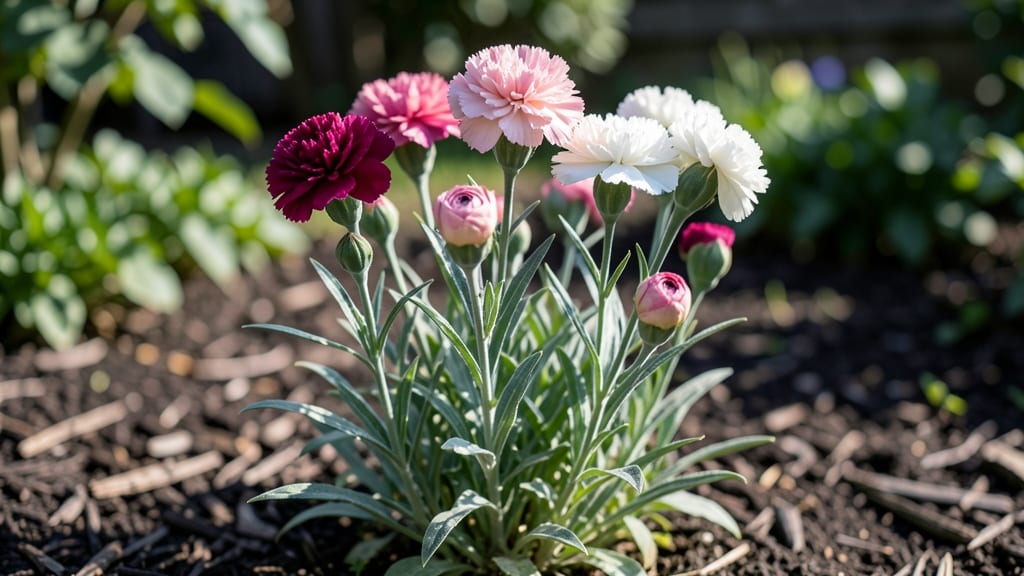
Carnations flower in precise windows that depend on whether you're growing them in spring or fall — typically March–May for spring varieties and September–November for fall types, with climate zones shifting those dates by weeks.
You’ve probably seen them at Mother’s Day tables or holiday bouquets, but their blooming isn’t random. Garden carnations 🌸 thrive on timing: plant too early, and frost zaps their buds; too late, and summer heat skips the show. The key? Matching your variety to your last frost date.
In USDA Zone 6a, where many gardeners live, spring carnations often burst into color by early May, while fall-planted ones hold on until late October. Warmer zones push blooms earlier, and cooler ones delay them—so knowing your zone saves you from guessing.
Here’s how to align your planting with their natural rhythm, plus 5 pro tips to stretch their flowering season whether you’re in a greenhouse or a backyard bed.
Carnation flowering seasons by variety type (spring vs fall bloomers)
If you’ve ever wondered why your carnations bloom at different times, the answer lies in their variety. Standard, spray, and miniature carnations each have distinct flowering windows, with some varieties thriving in early spring while others shine in late fall.
Understanding these patterns lets you plan your garden like a pro, ensuring vibrant blooms when you need them most.
Most gardeners assume carnations bloom in summer, but the truth is far more precise. Spring-blooming varieties typically start in February or March and peak by May, while fall varieties burst into color from September through November.
The key difference? Day length and temperature triggers—some varieties are sensitive to shorter days, while others need a cool snap to flower.
Let’s break down the exact month-by-month blooming windows for each carnation type, so you can choose the perfect variety for your seasonal goals. Whether you’re aiming for Mother’s Day arrangements or autumn weddings, timing is everything.
Notice how spray carnations bloom slightly later in spring and earlier in fall compared to standards? This shift happens because their compact growth habit matures faster, giving them a head start in cooler weather.
Meanwhile, miniature carnations wait until April or August because they focus energy on producing more blooms per stem rather than larger individual flowers.
For gardeners in warmer climates (Zones 7–10), some varieties like 'Chabaud' can even bloom year-round with minimal care, while cooler zones (3–6) may need to plant fall varieties in July to ensure they flower before frost.
The secret? Planting timing—sow seeds or set out transplants 8–10 weeks before your first frost for fall blooms.
Pro tip: If you’re growing carnations for cut flowers, prioritize spray varieties in spring—they produce 20–30 blooms per stem, perfect for bouquets. For garden beds, miniature carnations create a colorful carpet when planted in masses.
And for holiday displays, late fall varieties like 'Chabaud' hold their color through December.
One common mistake? Assuming all carnations bloom in summer. Fall varieties often get overlooked, but they’re the secret to extending your garden’s season. For example, planting 'White Sim' in late summer can give you January blooms—ideal for New Year celebrations.
The key is matching your variety to your goal, not just the season.
Ready to plan? Start by choosing 2–3 varieties that align with your blooming goals. For spring color, mix standard and spray types; for fall interest, opt for miniatures and Chabaud.
And don’t forget: Deadheading spent blooms can push your carnations to rebloom 2–3 weeks later, giving you extra weeks of color.
With this precise timing guide, your carnations will bloom like clockwork—no more guessing, just stunning, predictable flowers when you need them most. 🌸
How climate zones shift carnation blooming timelines (USDA zones 3–10)
Carnations in USDA Zones 3–5 face a shorter growing season, so their blooms arrive later in spring and earlier in fall compared to warmer zones.
For example, in Zone 4, spring carnations may not peak until late May or June, while Zone 7–10 gardeners often enjoy blooms as early as April. The difference? Warmer climates let carnations push through earlier, while colder zones delay their show until after frost risks pass.
Frost-sensitive varieties like Dianthus caryophyllus (garden carnations) struggle in Zone 3–4 winters, but hardier types such as perennial carnations can survive Zone 5 with proper mulching. In Zone 7–10, some varieties even bloom year-round with minimal care.
Understanding these shifts helps you avoid planting too early and risking frost damage—or too late and missing the seasonal window.
Here’s how climate zones reshape carnation blooming timelines, including winter-blooming exceptions and zone-specific planting calendars to maximize your garden’s potential.
| Zone | Spring Blooms | Fall Blooms | Winter Blooms (Greenhouse) | Key Adjustment |
|---|---|---|---|---|
| 3–4 | Late May–June | September–Early October | December–February (forced) | Plant 6–8 weeks after last frost; use row covers. |
| 5–6 | Early May–June | October–November | November–January | Choose hardy perennial types for fall color. |
| 7–8 | April–May | September–December | Year-round (greenhouse) | Plant year-round; deadhead for continuous blooms. |
| 9–10 | March–April | August–December | Year-round (outdoor) | Use shade cloth in summer to prevent bolting. |
In Zones 3–5, where frost lingers, I recommend starting carnations indoors 8–10 weeks before your last frost date. For example, if your last frost is May 15, sow seeds by March 1 to ensure blooms by June.
In Zones 7–10, you can plant directly in the ground as early as February for spring blooms, but watch for heat stress in summer.
For fall bloomers, the opposite rule applies: plant 8–10 weeks before your first frost. In Zone 4, that means seeding by July 15 for September–October color.
Meanwhile, Zone 9–10 gardeners can enjoy year-round blooms with minimal effort, thanks to milder winters. Just be mindful of pests like aphids, which thrive in warm climates.
Pro tip: Use mulch in colder zones to insulate roots and extend the blooming season.
In Zone 5–6, a thick layer of straw can push fall blooms into late November, while Zone 7–8 gardeners might need to prune spent blooms aggressively to coax a second flush in late summer.