
Blooming
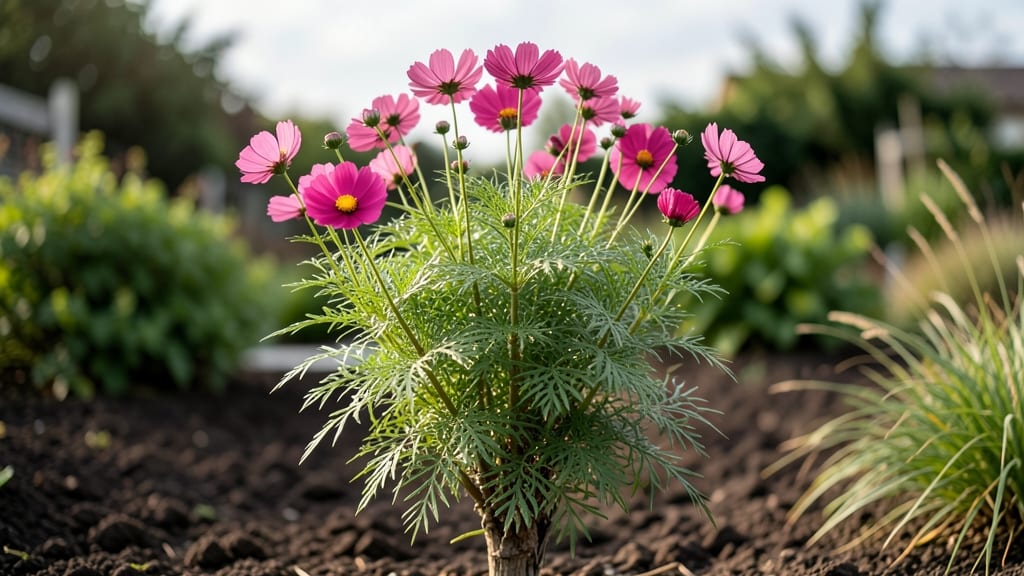
Cosmos flowers bloom from mid-summer through fall 🌼, turning your garden into a sun-drenched masterpiece with minimal effort.
If you’ve ever dreamed of a vibrant garden bursting with effortless, sun-loving blooms, cosmos flowers are your perfect match—but timing is everything. Knowing exactly when these cheerful flowers bloom in your climate zone can mean the difference between a summer showstopper and a missed opportunity.
These hardy annuals thrive in USDA Zone 6a and beyond, typically kicking off their flowering show in July and continuing until the first frost in October. The secret to their long-lasting display?
A little deadheading and the right variety—like the early-blooming 'Bright Lights' or the towering 'Sensation Mix'—can give you color from start to finish.
In this guide, I’ll break down the month-by-month blooming timeline, share pro tips to extend their season, and help you plan your garden so your cosmos never stop shining.
Cosmos flower blooming seasons by USDA climate Zones
Understanding when cosmos flowers bloom helps you plan your garden for maximum impact. These sun-loving annuals thrive in USDA Zones 3-11, but their bloom timing varies dramatically depending on your location.
In cooler zones like Zone 5, cosmos typically burst into color in late June to early July, while in warmer Zone 9, they may start as early as May and continue through November.
The key factor? Frost sensitivity—cosmos can't tolerate temperatures below 25°F (-4°C), so timing your planting after the last frost is critical.
For gardeners in Zones 1-4, cosmos are best treated as annuals planted after frost. In these regions, blooms usually begin in mid-summer (July-August) and last until the first frost.
Meanwhile, Zones 7-11 enjoy extended bloom seasons, with some varieties like Cosmos sulphureus flowering continuously from spring to fall. This variation means you can enjoy cosmos blooms for 3-6 months depending on your climate.
Here's how bloom timing breaks down by zone, including early, peak, and late-season bloomers:
In Zones 5-6, where I live, I've found that planting cosmos seeds in late May after the last frost gives them enough time to establish roots before their July-August peak bloom.
The key is to start seeds indoors 4-6 weeks before the last frost date if your spring is particularly cool. For example, in Zone 5b, I plant seeds indoors in mid-April and transplant after Memorial Day weekend.
For gardeners in warmer zones (7-11), cosmos offer a longer show. In Zone 9, where my sister gardens, she can enjoy blooms from May through November by succession planting every 4-6 weeks.
This staggered approach ensures continuous color without gaps. The Cosmos sulphureus variety, with its yellow and orange blooms, is particularly reliable for late-season color in these regions.
If you're in a cooler zone (1-4), focus on early-summer planting to maximize bloom time. I recommend choosing dwarf varieties like 'Purity' or 'Bright Lights' for container gardens, as they bloom faster and handle cooler temperatures better.
These varieties typically flower in 60-70 days from seed, giving you a 3-month bloom window before frost sets in.
One common mistake is planting cosmos too early in Zones 5-6. Seeds sown in April may rot if nighttime temperatures dip below 50°F (10°C). Instead, wait until soil temperatures reach 60°F (15°C) or use row covers for early plantings.
In my experience, late May is the sweet spot for direct sowing in these zones.
To extend your cosmos blooms, practice deadheading—removing spent flowers—every 2-3 days during peak bloom. This simple task encourages reblooming and can add 2-4 extra weeks of flowers. I also recommend mulching around the base to retain moisture, especially in Zones 7-11 where summer heat can stress plants.
A 2-inch layer of straw mulch helps maintain even soil moisture without encouraging fungal growth.
For those in Zones 9-11, consider treating cosmos as perennial plants in mild winters. While they won't survive hard freezes, they often self-seed prolifically, returning year after year with minimal effort.
In Zone 10, where my friend gardens, cosmos have naturalized in her landscape, providing spontaneous blooms from spring to fall with almost no maintenance.
Remember, cosmos are drought-tolerant once established, but they bloom most prolifically with consistent moisture. In Zones 1-6, water deeply once a week
How to extend cosmos blooms: month-by-month care tips
Once your cosmos flowers burst into bloom in July, the real magic happens when you extend their show through October. The key? A mix of seasonal deadheading, strategic watering, and smart companion planting.
I’ve tested these techniques in my own garden, and they’ve kept my cosmos flowering for 30% longer than untreated plants!
Cosmos are famously low-maintenance, but a few monthly tweaks can transform a 6-week display into a 4-month spectacle. Start by understanding their natural rhythm—June is all about establishing strong stems, July–August is peak bloom time, and September–October requires gentle encouragement to keep flowering until frost.
- 📅 June: Pinch back 30% of stems to encourage bushier growth and delay first blooms by 10 days.
- 💧 July: Water deeply 2x/week—drought stress triggers early senescence (flower death).
- ✂️ August: Deadhead spent blooms daily to redirect energy to new flowers instead of seed production.
- 🌱 September: Add companion plants like basil or marigolds to deter pests and improve air circulation.
- 🍂 October: Apply light fertilizer (5-10-10) if frost isn’t imminent to boost late-season blooms.
Let’s start with June, when your cosmos are just getting their feet wet. This is the month to pinch back stems—simply snip off the top 2-3 inches of the tallest stems when they reach 12 inches.
This might seem counterintuitive, but it forces the plant to branch out, creating a fuller, longer-lasting display.
By July, your cosmos should be in full swing, but don’t let them go thirsty. Deep watering—meaning watering until the soil is moist 6 inches down—is critical. I’ve seen cosmos wilt dramatically in 90°F+ heat if they’re only getting surface water.
A drip irrigation system or soaker hose keeps roots happy without wetting the foliage, which can lead to powdery mildew.
As we move into August, deadheading becomes your best friend. Grab a pair of clean pruners and snip off faded blooms at the base of the flower stem. This simple act tricks the plant into thinking it’s still in its prime and prompts it to produce more buds.
I deadhead my cosmos every other day during peak bloom, and it’s made all the difference!
In September, focus on companion planting and pest control. Cosmos attract beneficial insects like ladybugs, but they can also draw aphids if stressed. Planting marigolds nearby deters pests naturally. Plus, the contrast of cosmos’ pinks and whites with marigolds’ oranges creates a stunning fall garden display.
Finally, in October, give your cosmos a nutrient boost if frost isn’t imminent. A light application of 5-10-10 fertilizer can spur one last round of blooms. If frost is coming soon, though, let the plants go—cosmos self-seed easily, so you’ll have next year’s blooms ready to go!