
Flowers
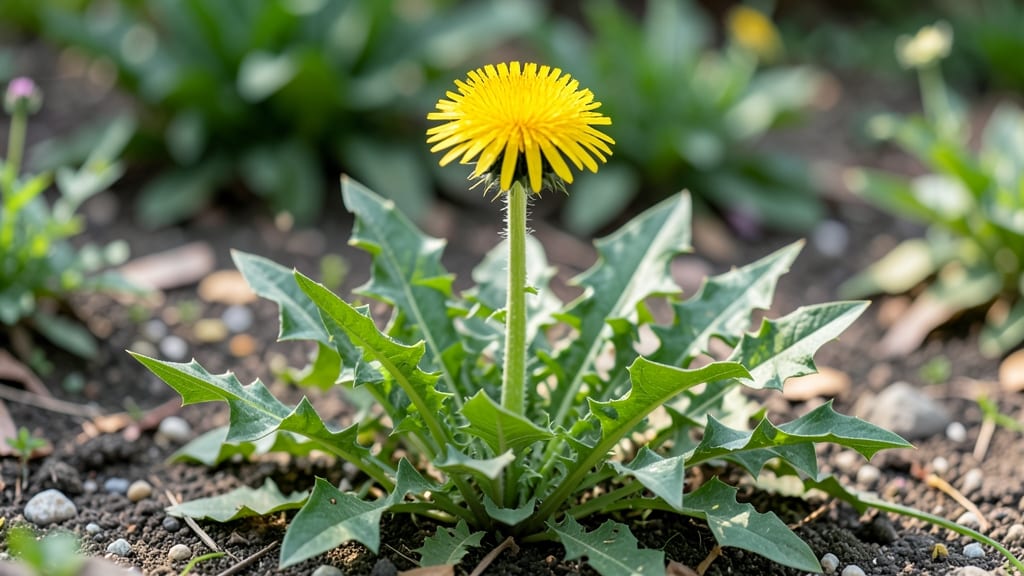
Dandelions flower when temperatures hit 50–60°F and days lengthen, typically from late winter into early summer depending on your zone.
Those bright yellow blooms popping up in your lawn aren’t weeds—they’re dandelions announcing spring’s arrival, but their exact flowering timeline depends on location, climate, and even soil conditions. Understanding when dandelions bloom helps gardeners and landscapers plan control strategies or even harness their medicinal benefits.
In most temperate zones, like USDA Zone 6a, you’ll spot the first 🌼 blooms as early as March, with peak flowering stretching through April and May. Warmer climates (Zone 8+) may see them as early as February, while colder areas could delay blooms until late April or May.
Below, I’ll break down how to predict when dandelions will bloom in your yard, the key factors that influence timing, and how to manage—or even enjoy—their lifecycle.
Exact dandelion flowering timeline by season and climate zones
Dandelions (Taraxacum officinale) are some of the first flowers to brighten up lawns and gardens each year, but their exact flowering timeline varies dramatically depending on your USDA hardiness zone and local climate conditions.
In warmer regions like Zone 8+, you might spot those cheerful yellow blooms as early as late winter (February), while gardeners in colder Zone 3-4 regions often wait until late April or May for the first flowers to appear.
The key trigger for dandelion blooming is consistent daytime temperatures reaching 50-60°F for at least 3-5 days. This temperature threshold signals the plant's vernalization process, where cold exposure followed by warming temperatures kickstarts the flowering cycle.
Even in the same zone, microclimates—like sunny south-facing slopes—can cause dandelions to bloom 2-4 weeks earlier than shaded or northern exposures.
| USDA Zone | Typical Bloom Window | Temperature Trigger | Key Notes |
|---|---|---|---|
| Zone 3-4 (Cold Climates) | Late April - Early June | 50-60°F for 7+ days | Blooms delayed by late frosts; may have 2 flowering cycles per year. |
| Zone 5-6 (Temperate) | March - May | 45-55°F for 5+ days | Peak blooms coincide with spring lawn care season; watch for seed head formation by June. |
| Zone 7-8 (Warm Temperate) | February - April | 40-50°F for 3+ days | Early bloomers appear before many perennials; may rebloom fall if temperatures stay mild. |
| Zone 9-10 (Mild Winters) | January - March | 35-45°F for 5+ days | Year-round growth possible; blooms may appear any month with ideal conditions. |
| Zone 11 (Tropical) | Year-round (peaks winter) | No cold requirement | Blooms triggered by rainfall rather than temperature; aggressive spread in ideal conditions. |
In Zone 3-4, where winters are harsh, dandelions often lie dormant until soil temperatures rise above 40°F. This delayed start means their primary flowering window aligns with late spring lawn treatments, typically between May and June.
However, if you notice buds forming in April, it’s a sign that an unusually warm winter has already triggered their growth cycle.
For gardeners in Zone 7-8, the earliest bloomers often appear in February, especially in urban heat islands or near south-facing walls. These early flowers are critical for early pollinators like bees, which rely on dandelions when few other blooms are available.
If you’re trying to suppress dandelions, timing your pre-emergent herbicide or manual removal just before these early blooms open (around late January in Zone 8) can be most effective.
One surprising fact about dandelion flowering is their ability to rebloom later in the season. After the initial spring bloom, many dandelions produce a secondary flush of flowers in late summer or fall, particularly in Zone 5+.
This second bloom occurs when daytime temperatures drop below 80°F and nights remain mild, typically between August and October. This adaptability makes them one of the most resilient weeds in temperate climates.
If you’re observing dandelions in your area and want to predict their flowering, pay attention to local frost dates and soil temperature trends. Most extension services provide degree-day accumulations, which can help you estimate when dandelions will break dormancy.
For example, in Zone 6, reaching 200 growing degree days (base 40°F) often correlates with the first visible buds.
Understanding these regional flowering patterns isn’t just useful for lawn care—it’s also valuable for foraging. Dandelion greens are most tender and flavorful before flowering, while the roots are best harvested in fall, after the
How to predict dandelion blooming in your yard: key factors
Predicting when dandelions will bloom in your yard starts with understanding their environmental triggers. These hardy plants respond quickly to changes in temperature, daylight hours, and even soil moisture levels.
For example, dandelions in Zone 6a typically begin flowering when daytime temperatures consistently reach 50–60°F, which often aligns with late February to early March in most regions.
One of the biggest factors influencing bloom timing is sunlight exposure. Dandelions thrive in full sun conditions (6+ hours daily), but they’ll also flower in partial shade—though the blooms may be smaller and less vibrant.
If your lawn receives morning sun but afternoon shade, expect dandelions to bloom slightly later in the season compared to fully sunlit areas.
- 1. Temperature: Blooms trigger at 50–60°F daytime temps (earlier in warm zones, later in cold).
- 2. Daylight: Longer days (12+ hours) accelerate flowering—peak blooms occur in April–May.
- 3. Soil moisture: Dry spells delay blooms; well-drained soil speeds up flowering.
- 4. Lawn care: Frequent mowing removes blooms but encourages new seed heads to form faster.
- 5. Seed dispersal: Disturbed soil (e.g., aeration) triggers new growth and earlier blooming.
Human activities like lawn mowing and soil disturbance can also shift bloom timing. For instance, if you aerate your lawn in early spring, you’ll likely see a surge of new dandelion sprouts and blooms within 4–6 weeks.
Similarly, overwatering can delay flowering, while drought stress may cause plants to bloom earlier to complete their lifecycle quickly.
To time your dandelion control efforts, monitor these factors closely. For example, if you notice bud formation in late February (common in Zone 8+), plan to apply pre-emergent herbicides in early March before seeds germinate. Conversely, in colder zones, wait until mid-April when blooms are already visible.
Finally, remember that dandelions are perennial plants, meaning they’ll return year after year. By observing their bloom patterns, you can predict future cycles and adjust your yard care routine accordingly—whether you’re aiming to eliminate them or harvest their edible greens before they flower.
🌱