
Flowers
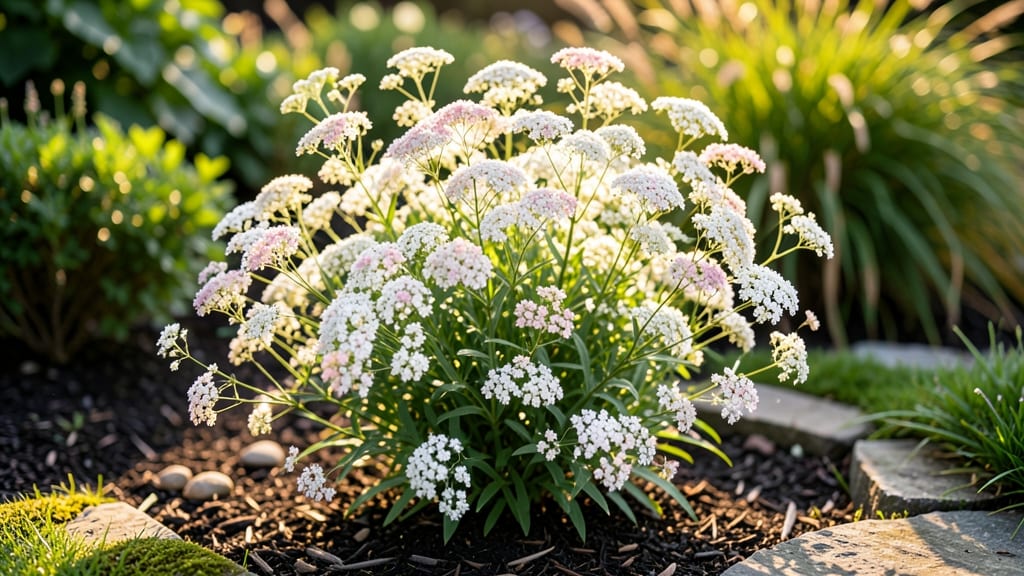
Gypsophila flowers bloom in late spring through early summer, turning gardens into soft, cloud-like displays of delicate white or pink blooms 🌸.
Picture this: you’ve waited all season, and then—just when you think your garden is finally ready—your baby’s breath sits stubbornly green, refusing to flower. The truth? Timing is everything, and a few simple tweaks can shift those blooms weeks earlier (or later) than expected.
From USDA Zone 6a’s June peak to Southern gardens stretching blooms into September, the right variety and care make all the difference. Below, I’ll show you how sunlight, soil, and even last frost dates control when your gypsophila opens—and how to coax extra weeks of flowers from your plants.
You’ll leave here knowing exactly when to plant for your climate, which varieties flower fastest, and the one trick that keeps blooms coming all summer long.
Gypsophila blooming timeline by climate zone: when to expect flowers
Timing your gypsophila planting requires understanding how climate zones influence bloom cycles. In cooler regions (USDA zones 3-5), these delicate flowers often wait until late spring to burst into bloom, while warmer zones (7-10) may see early summer displays.
The key factors? Daylight hours, soil temperatures, and frost dates all play critical roles in determining when your baby's breath will shine.
For annual varieties, planted from seed, blooms typically appear 8-12 weeks after germination. Perennial types, however, may take longer to establish before producing their signature airy clusters.
Understanding these differences helps you choose between fast-flowering annuals for instant color or long-lived perennials that reward patience with years of blooms.
| USDA Zone | Bloom Start | Peak Bloom | Bloom End | Notes |
|---|---|---|---|---|
| 3-5 | Late May | June-July | Early August | Short season; protect from frost |
| 6-7 | Early June | July-August | Late September | Longer season; deadhead for repeats |
| 8-9 | Mid-May | June-September | October | Extended blooms; heat-tolerant |
| 10 | April | May-July | August | Early blooms; may need shade |
In USDA zones 3-5, where frost dates are a major concern, gypsophila typically kicks off its blooming season in late May. This delay occurs because cool spring temperatures slow early growth, and plants need consistent warmth to trigger flowering.
For gardeners in these regions, starting seeds indoors 6-8 weeks before the last frost can give your plants a head start.
Gardeners in zones 6-7 enjoy the longest gypsophila bloom periods, often from early June through late September. The moderate climate provides ideal conditions for both annual and perennial varieties. Here, deadheading spent blooms every 2-3 weeks encourages continuous flowering, extending the season by 3-4 weeks.
For warmer climates (zones 8-10), gypsophila blooms earlier but may struggle with intense summer heat. In these zones, partial shade during peak afternoon sun helps prevent bud drop.
Some varieties, like Gypsophila paniculata, thrive in these conditions, while others may need afternoon shade to maintain vibrant blooms.
If you're growing gypsophila as annuals, timing your planting date is crucial. In cooler zones (3-6), aim for early spring planting (as soon as soil is workable) or late summer for a fall display.
In warmer zones (7-10), fall planting (August-September) often yields stronger spring blooms the following year.
Daylight hours also play a surprising role in gypsophila flowering. These plants are long-day flowers, meaning they bloom in response to increasing daylight. In northern latitudes, where days lengthen more gradually, blooms may appear later in the season compared to southern regions with abrupt daylight changes.
To maximize your gypsophila blooms, pay attention to soil drainage. These plants hate soggy roots and will quickly drop buds if overwatered. Amending your soil with sand or perlite ensures proper drainage, while a light mulch helps retain moisture without suffocating roots.
In containers, use a fast-draining mix with added organic matter.
For perennial gypsophila, which includes varieties like Gypsophila repens, blooms often appear 2-3 years after planting. Patience pays off, as established plants develop dense foliage and produce
How to extend gypsophila blooming season: pro tips for longer flowers
Want your gypsophila (baby’s breath) to bloom longer and brighter? The key lies in understanding its natural cycle and giving it the right care. Most varieties flower 60-90 days after planting, but with a few strategic tweaks, you can coax earlier or later blooms.
The secret? Light, nutrients, and deadheading work together to extend your flowers’ showtime.
First, let’s clarify the ideal blooming window for gypsophila. While most varieties peak in mid-to-late summer, some early bloomers like Gypsophila elegans may start as early as June, while late-season types like Gypsophila paniculata can stretch blooms into September.
Your climate plays a huge role—cooler regions may see delayed blooms, while warmer zones enjoy longer seasons.
- 1 Deadhead regularly to remove spent blooms. This signals the plant to redirect energy to new flowers, extending the season by 3-4 weeks. Use clean pruning shears and trim just above a set of leaves.
- 2 Fertilize lightly in early spring with a balanced 10-10-10 fertilizer. Over-fertilizing leads to lush foliage but fewer blooms. Apply 1 tbsp per sq ft and water thoroughly to prevent root burn.
- 3 Adjust sunlight exposure for later blooms. If your gypsophila starts flowering too early, move it to partial shade in late summer. This tricks the plant into delaying blooming by 2-3 weeks while still maintaining healthy growth.
- 4 Water deeply but infrequently. Gypsophila hates soggy soil, which causes root rot and stunted blooms. Water early in the morning and aim for 1 inch per week, adjusting in rainy seasons to avoid overwatering.
If your gypsophila is slow to bloom, check for common culprits like poor soil drainage or nutrient deficiencies. Amend heavy clay soil with compost or perlite to improve aeration, and test pH—gypsophila thrives in neutral to slightly alkaline soil (6.5-7.5).
A quick fix? Add a handful of lime if your soil is acidic.
For container-grown gypsophila, use a well-draining potting mix with added sand or vermiculite. Containers dry out faster, so monitor soil moisture daily in hot weather. Elevate pots to prevent water pooling, and consider self-watering planters for consistent hydration without overwatering.
Pro tip: Succession planting is your best friend for non-stop blooms. Sow new seeds every 3-4 weeks in spring, staggering varieties like Gypsophila repens (early) and Gypsophila muralis (late). This ensures a continuous display from June through October, even in cooler climates.
When all else fails, don’t forget that gypsophila’s delicate blooms also make stunning cut flowers. Harvest early in the morning, strip lower leaves, and place stems in lukewarm water to extend vase life by up to 10 days.
A little effort goes a long way in keeping your garden—and your bouquets—looking fresh all season long. 🌸