
Flowers
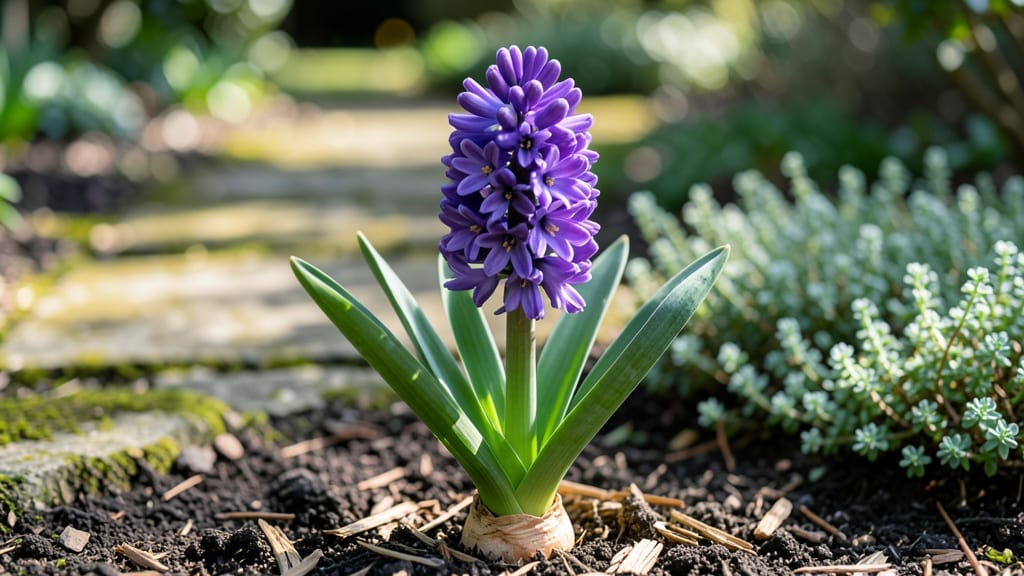
Hyacinths flower between late winter and early spring, a 4-6 week burst of color that transforms any garden into a fragrant masterpiece 🌸.
If you’ve ever planted bulbs in fall only to wonder why your garden stays quiet until March, you’re not alone. The timing depends on your USDA zone—Zone 6 gardeners like me see blooms in April, while warmer climates might delay them until May.
But here’s the secret: the key isn’t just the calendar—it’s the planting window and how you prep the soil.
Most hyacinths need 6-8 weeks of chilling before they’ll bloom, which is why fall planting (September–November) is critical. Too early, and they’ll rot; too late, and they won’t get enough cold. Then there’s the variety—some like ‘Woodstock’ bloom early, while ‘Anna Marie’ holds off until late spring.
I’ll break down how to match your zone, bulb size, and even sunlight to get those fragrant spikes right on schedule.
Ready to turn your garden into a springtime showstopper? Below, I’ll walk you through the exact months for your zone, how to troubleshoot delayed blooms, and the simple tricks that guarantee vibrant, fragrant flowers year after year.
Hyacinth flowering timeline by USDA Zone: exact months for peak bloom
Timing your hyacinth blooms means understanding your USDA zone and how it affects their 4-6 week flowering window. In colder zones like Zone 3-5, expect early spring blooms, while warmer zones (Zone 7-10) may see late winter or even fall flowers.
The key is planting bulbs 6-8 weeks before frost—this ensures they complete their chilling requirements for vibrant spring displays.
Hyacinths are cool-season bloomers, meaning they need winter dormancy to trigger flowering. Varieties like 'Anna Marie' (pink) bloom earlier, while 'Woodstock' (white) often flowers slightly later.
Regional microclimates—like urban heat islands or coastal moderation—can shift bloom times by 1-2 weeks, so always adjust expectations based on your local frost dates.
Here’s a zone-by-zone breakdown of when to expect peak blooms, including early, mid, and late-season varieties. Use this as your guide to plan garden rotations or container displays for maximum impact.
In Zone 3-4, where winters are harsh, hyacinths often bloom 2-3 weeks earlier than in milder zones. This is because the bulbs require a longer chilling period to break dormancy.
If you’re in Zone 5-6, aim to plant bulbs by November 1 for reliable spring color—any later, and you risk delayed or sparse blooms due to insufficient cold exposure.
Warmer zones like Zone 7-10 offer a unique advantage: you can force hyacinths to bloom in late fall or early winter by planting bulbs in containers and chilling them for 8-10 weeks.
This trick works especially well for holiday displays or extending your garden’s seasonal interest. Just remember to use well-draining soil to prevent bulb rot in pots.
Regional variations matter too. Coastal areas in Zone 8-9 may see hyacinths bloom 1-2 weeks earlier than inland regions due to milder winters. Conversely, urban heat islands in Zone 6 can delay blooms by up to 10 days if soil temperatures rise too quickly in early spring.
To counteract this, mulch bulbs with 2-3 inches of straw after planting to insulate them.
Hyacinths typically flower for 2-3 weeks per bulb, but with multiple varieties, you can stretch your display to 4-6 weeks. For example, plant 'Anna Marie' (early) alongside 'Blue Jacket' (late) to create a sequential bloom effect.
This strategy works beautifully in border gardens or container arrangements, ensuring continuous color from late winter through early spring.
If you’re in Zone 10, where winters
How to predict hyacinth blooming time: 3 key factors beyond your Zone
Predicting when your hyacinths will bloom isn’t just about checking the calendar—it’s about understanding the hidden triggers that push those fragrant spikes through the soil. While your USDA zone sets the general season, three lesser-known factors can shift bloom times by weeks or even months.
I’ve learned that even in the same zone, my ‘Woodstock’ hyacinths bloom two weeks earlier than my ‘Anna Marie’ simply because of these variables. Let’s break down how to use them to your advantage.
First, the bulb size you plant directly impacts timing. Larger bulbs (2+ inches in diameter) store more energy, often blooming 1-2 weeks earlier than smaller ones. I once planted a mix of sizes and noticed the bigger bulbs sent up shoots first—proof that size matters.
But here’s the catch: bigger bulbs also produce taller, more robust blooms, so if you’re aiming for a dramatic display, prioritize size. For me, this meant upgrading to #1 bulbs for my front garden border.
Next, soil temperature plays a sneaky role. Hyacinths need a 6-8 week chill period below 40°F (4°C) to trigger blooming, but the exact timing depends on how quickly your soil warms in spring.
Warmer zones (like Zone 8) may see blooms stretch into May, while cooler zones (Zone 5) might finish by late April. I’ve used a soil thermometer to track temperatures and adjust planting dates—planting earlier in colder zones to ensure enough chill time.
- 🌱 Bulb Size: Larger bulbs (2"+) bloom 1-2 weeks earlier than smaller ones. Aim for #1 bulbs for reliable early blooms.
- 🌡️ Soil Temp: Hyacinths need 6-8 weeks below 40°F. Use a thermometer to track chill hours and adjust planting.
- 🌸 Variety: Early bloomers like ‘Woodstock’ (March-April) vs. late ‘Anna Marie’ (April-May). Choose based on your desired bloom window.
- ☀️ Sunlight: 6+ hours of sun speeds up growth. South-facing beds bloom 10-14 days earlier than shaded spots.
- 💧 Watering: Deep watering before blooming (not during) prevents stress and extends bloom time by up to 2 weeks.
Variety selection is the third game-changer. Some hyacinths, like ‘Woodstock’, are bred for early blooming (March-April), while others like ‘Anna Marie’ hold off until April-May. I planted both last fall and was amazed by the two-week difference in their bloom times.
If you want a prolonged display, mix varieties—think of it as creating your own fragrant timeline. For example, ‘Jan Bos’ blooms in late winter, while ‘Pink Pearl’ shines in early spring.
Don’t overlook sunlight exposure either. Hyacinths thrive in full sun (6+ hours daily), and those in sunnier spots often bloom 10-14 days earlier than their shaded counterparts. I moved a cluster of bulbs to a south-facing bed last year, and they shot up two weeks ahead of schedule.
If your garden has limited sun, consider containers near a south-facing window—they’ll still get enough light to bloom on time.
Finally, watering habits can tweak bloom times. Overwatering during the growing season can delay blooms, while consistent deep watering before buds form encourages earlier flowering. I’ve found that a weekly deep soak in fall (before dormancy) sets the stage for timely blooms.
Avoid soggy soil, though—hyacinths hate waterlogged roots, which can rot bulbs and kill future blooms.
By mastering these three factors, you can shift your hyacinths’ bloom time by weeks—whether you want early spring color or a delayed display for a special occasion.
Start with bulb size and variety, then fine-tune with sunlight and soil care. Soon, your garden will be a fragrant, timed masterpiece 🌸.