
Blooming
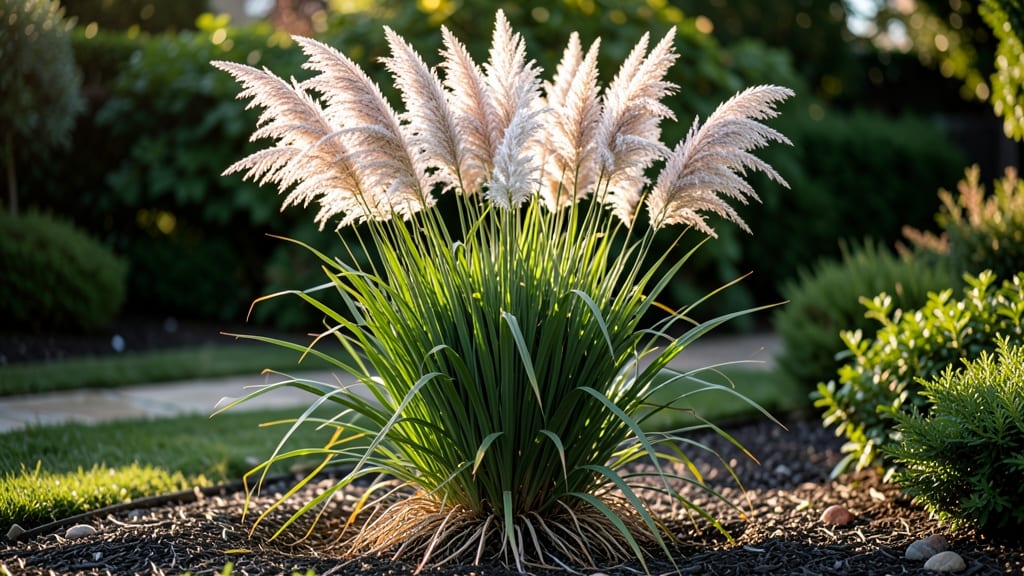
Pampas grass flowers in late summer through fall, when its iconic silver-white plumes burst into view like a dreamy garden centerpiece. 🌿
If you’ve ever planted one expecting instant drama, you know the wait can feel endless—until suddenly, those feathery blooms appear, transforming your yard into a showstopper. But timing matters: a mature plant in USDA Zone 6a typically starts forming buds in August, with full bloom by September or October.
Climate plays a huge role—cooler regions may see earlier blooms, while hotter areas push flowering into late fall. The key to encouraging those plumes? Full sun, well-draining soil, and patience (your plant needs 2+ years to reach its flowering prime).
Below, I’ll break down the exact month-by-month schedule, plus pro tips to extend those blooms and troubleshoot common delays—so you’re not left staring at bare stems in September.
Pampas grass flowering timeline: month-by-month blooming schedule
Predicting when your pampas grass will bloom depends on your USDA climate zone and plant maturity. In USDA zones 7–10, these ornamental grasses typically flower from late summer to early fall, with variations based on regional heat patterns.
Understanding this timeline helps you anticipate their ethereal plumes and adjust care to encourage longer blooms.
Young pampas grass plants (1–2 years old) may produce smaller or delayed flowers, while mature specimens (3+ years) showcase their full silver-white plumes. Pre-flowering signs include tight seed head formation and increased foliage density. Here’s your month-by-month breakdown for peak blooming periods across zones.
| Month | USDA Zone 7 | USDA Zone 8 | USDA Zone 9 | USDA Zone 10 |
|---|---|---|---|---|
| June | Pre-flowering signs appear (tight seed heads) | Early seed head formation | Seed heads emerge | Seed heads form (early start) |
| July | Seed heads elongate (1–2 ft) | Plumes begin opening | Peak early blooms | Full bloom in cooler microclimates |
| August | Peak blooming (silver plumes) | Full bloom (August–September) | Peak display (August–October) | Extended bloom (July–September) |
| September | Late blooms persist | Late blooms (September–October) | Blooms fade gradually | Blooms linger into October |
| October | Seed heads dry; prune after frost | Dry plumes remain (decorative) | Plumes turn brown | Minimal blooms; focus on winter prep |
Note: Coastal zones (e.g., Zone 10) may bloom earlier due to milder winters.
In USDA zone 7, pampas grass typically begins forming seed heads in June, with plumes fully opening by mid-August. This zone’s cooler nights slow growth slightly, delaying blooms by 1–2 weeks compared to warmer zones.
If your plant skips flowering, check for insufficient sunlight or over-fertilization, which can redirect energy away from blooms.
For USDA zones 8–9, the blooming window stretches from late July to October, with peak displays in August. These zones benefit from longer growing seasons, allowing pampas grass to produce larger, denser plumes.
In my Zone 8 garden, I’ve noticed that plants near water features bloom 2 weeks earlier due to increased humidity.
In USDA zone 10, pampas grass often starts blooming as early as June, with extended displays through September. The mild winter in these regions means less dormancy, encouraging year-round foliage health.
However, overwatering can cause fungal issues, so I reduce irrigation in humid months (July–August) to maintain bloom quality.
To identify pre-flowering signs, look for tight, spiky seed heads emerging from the center of the plant. These will gradually unfurl into feathery plumes over 2–4 weeks.
In my experience, plants that receive morning sunlight and well-draining soil show these signs earlier in the season, giving you a 2-month heads-up before peak blooms.
If your pampas grass is 3+ years old but hasn’t bloomed, consider light pruning in early spring to encourage new growth. Avoid heavy cuts, as this can stress the plant and delay flowering.
How to extend pampas grass blooms: pruning, fertilizing, and care tips
Once you’ve waited patiently for those silver-white plumes to appear, you’ll want them to last as long as possible. The good news? With the right care, your pampas grass can keep flowering well into late fall—or even produce secondary blooms the following spring.
The secret lies in understanding its growth cycle and adjusting your routine accordingly.
Urban gardens often struggle with compacted soil and limited space, while rural plots benefit from richer soil and fewer environmental stressors. I’ll cover both scenarios, plus how to tweak your approach based on your climate zone.
Start by mastering these key care principles to coax your pampas grass into a longer, more dramatic display.
🌱 5 Pro Tips to Extend Pampas Grass Blooms
- 📅 Prune after flowering in late winter (February–March) to remove dead plumes and encourage new growth.
- 🌿 Fertilize lightly in spring and fall with a balanced 10-10-10 to promote lush foliage and blooms.
- ☀️ Ensure full sun (6+ hours daily) to trigger flowering—shade delays or prevents blooms entirely.
- 💧 Water deeply but infrequently—overwatering causes root rot, which weakens flowering potential.
- 🌱 Mulch annually with compost to retain moisture and improve soil fertility for stronger blooms.
Pruning is the most critical step for extending blooms. Many gardeners make the mistake of cutting back too early or too late. For urban gardens, where space is limited, prune aggressively in late winter to control size and redirect energy into new growth.
In rural settings, you can be slightly more lenient—focus on removing only the dead plumes and damaged foliage to avoid shocking the plant.
Fertilizing plays a supporting role in bloom longevity. Use a balanced fertilizer (like 10-10-10) in early spring to jumpstart growth, then switch to a low-nitrogen formula in late summer to encourage flowering.
Avoid high-nitrogen feeds—they promote leafy growth at the expense of plumes. For container-grown pampas grass, reduce fertilizer by half to prevent salt buildup in the soil.
Watering schedules often get overlooked, but they’re key to prolonging blooms. Pampas grass is drought-tolerant once established, but consistent moisture during bud formation (late summer) ensures robust plumes.
Water deeply once a week in urban areas where soil dries out faster, and every 10–14 days in rural gardens with richer soil. Always water in the morning to reduce fungal risks.
Seasonal adjustments can make all the difference. In cooler climates (USDA Zones 6–8), apply a light mulch in late fall to insulate roots and protect against early frost. In warmer zones (9–10)longer, more frequent blooms year after year.