
Flowers
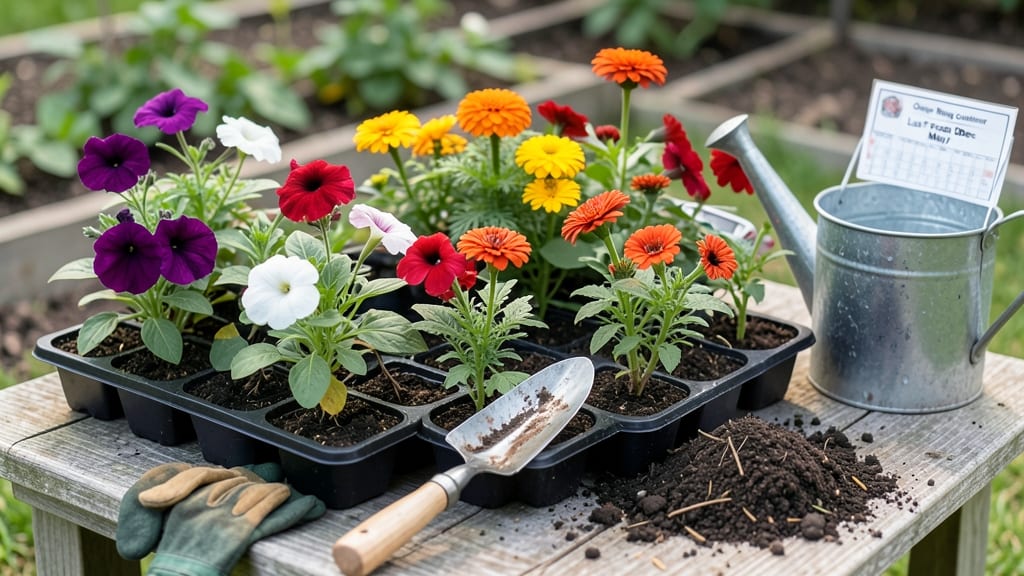
It’s safe to plant flowers in Ohio after your last spring frost, typically around mid-April in USDA Zone 6a—but timing can make or break your blooms.
Ohio’s unpredictable spring weather can turn your eager gardening plans into a guessing game—until you know the exact last frost dates for your USDA zone. Plant too early, and frost will kill your delicate blooms; too late, and you’ll miss peak flowering season.
With 165 frost-free days in most of Ohio, the window between April 15 and early May is your sweet spot for annuals like marigolds and zinnias. Perennials like bleeding heart and lungwort can handle cooler soil, but wait until nighttime temps stay above 50°F to avoid stunted growth.
Below, I’ll break down zone-by-zone planting timelines, frost-resistant varieties, and pro tips to extend your season—so you can finally stop second-guessing and start planting with confidence.
Ohio’s last frost dates by USDA Zone: exact planting timelines
Ohio’s USDA Zones 5b-6a create a 2-3 week difference in last frost dates, meaning your Columbus garden (Zone 6a) can plant 2 weeks earlier than Youngstown (Zone 5b). Understanding these dates helps you avoid frost damage to tender annuals while maximizing bloom time for perennials.
Urban areas like Cincinnati often experience earlier last frosts than rural zones due to the "heat island" effect.
For annual flowers, wait until the average last frost date plus 1-2 weeks of buffer time. For perennials, you can plant 2-4 weeks earlier since they’re more frost-resistant. The historical extremes (earliest/latest frosts) show why gardeners should track weekly forecasts in April.
Rural areas like Toledo (Zone 6a) average their last frost on April 15, while Akron (Zone 5b) typically waits until May 1.
🌱 KEY INSIGHT: Ohio’s frost dates shift 1-2 weeks annually—use 3-year averages for reliability. For example, Daylilies (Zone 3-9) can handle light frost, while Marigolds (Zone 2-11) need consistent warmth. Always check your local microclimate—valleys stay colder longer than hilltops.
Use these planting windows as guidelines, but verify with local weather sources like the Ohio State University Extension or National Weather Service.
For container gardens, you can plant 2-3 weeks earlier since pots warm up faster. Hardy perennials like Coneflowers (Echinacea) and Black-Eyed Susans thrive when planted in early April, while tender annuals like Petunias need consistent warmth by May 1.
Ohio’s first frost dates in fall (typically October 15-30) determine when to plant fall-blooming bulbs like Chrysanthemums or Asters. For cool-season flowers, sow seeds 6-8 weeks before first frost.
In Zone 6a, that means August 15-September 1 for Pansies and Sweet Alyssum, which handle light frost.
Pro tip: Track your garden’s microclimate by monitoring soil temperature—most flowers need 60°F+ soil to thrive. Use a soil thermometer to confirm readiness. Urban heat islands (like downtown Cleveland) can be 5-10°F warmer than surrounding areas, accelerating planting by 1 week.
Rural areas like Northwest Ohio may need to wait 10 days longer for safe planting.
For succession planting, stagger annual flowers every 2-3 weeks after your zone’s last frost. For example, in Zone 6a, plant Marigolds on April 30, Zinnias on May 15, and Cosmos on June 1 to extend your blo
Cold-hardy flowers vs. frost-sensitive varieties: what to plant when
Ohio’s last frost dates create a tight window for planting flowers—especially when comparing cold-hardy perennials to frost-sensitive annuals.
In USDA Zone 6a, you can start bleeding heart (Dicentra spectabilis) and lungwort (Pulmonaria) as early as late March when soil thaws, while marigolds (Tagetes) and zinnias (Zinnia elegans) need to wait until after April 15.
Timing isn’t just about frost—it’s also about soil temperature. Most annuals thrive when soil reaches 60°F, while perennials like columbine (Aquilegia) tolerate cooler 50°F soil. Below, I’ll break down the week-by-week planting strategies for Ohio’s most reliable flowers, so you can avoid frost damage and maximize blooms.
Cold-Hardy Flowers vs. Frost-Sensitive Varieties
Cold-Hardy Perennials
- Bleeding Heart – Plant March 20–April 5; blooms spring
- Lungwort – Plant March 15–April 10; early shade lover
- Columbine – Plant March 10–April 15; drought-tolerant
- Peony – Plant September–October (fall) or March 1–April 15
Frost-Sensitive Annuals
- Marigolds – Plant April 15–May 1; needs 70°F+ soil
- Zinnias – Plant May 1–15; heat-loving blooms
- Petunias – Plant May 10–June 1; avoid below 50°F
- Impatiens – Plant May 15–June 1; shade-tolerant but frost-killed
For cold-hardy flowers, focus on early spring planting (March–April) when soil is workable but frost risk is moderate. Bleeding heart and lungwort are my top picks—they thrive in partial shade and bloom before summer heat arrives.
Plant them 3–4 weeks before your last frost date to give roots time to establish.
Frost-sensitive annuals like zinnias and marigolds demand patience. Wait until soil temperatures consistently stay above 60°F (usually mid-May in Ohio’s Zone 6a). These heat-lovers reward you with nonstop summer blooms, but they’ll bolt or die if planted too soon. Start seeds indoors in March for a head start.
Don’t overlook fall planting for perennials like peonies and black-eyed Susans (Rudbeckia). These varieties establish roots in cooler fall soil, giving them a two-month head start on spring growth. Aim for September–October planting to avoid winter stress.
If you’re unsure about frost dates, use biodegradable plant pots for annuals. This lets you transplant after May 1 without disturbing roots, giving you flexibility if late frosts hit. Pair marigolds with basil to deter pests naturally—just don’t plant them until after Memorial Day.