
Flowers
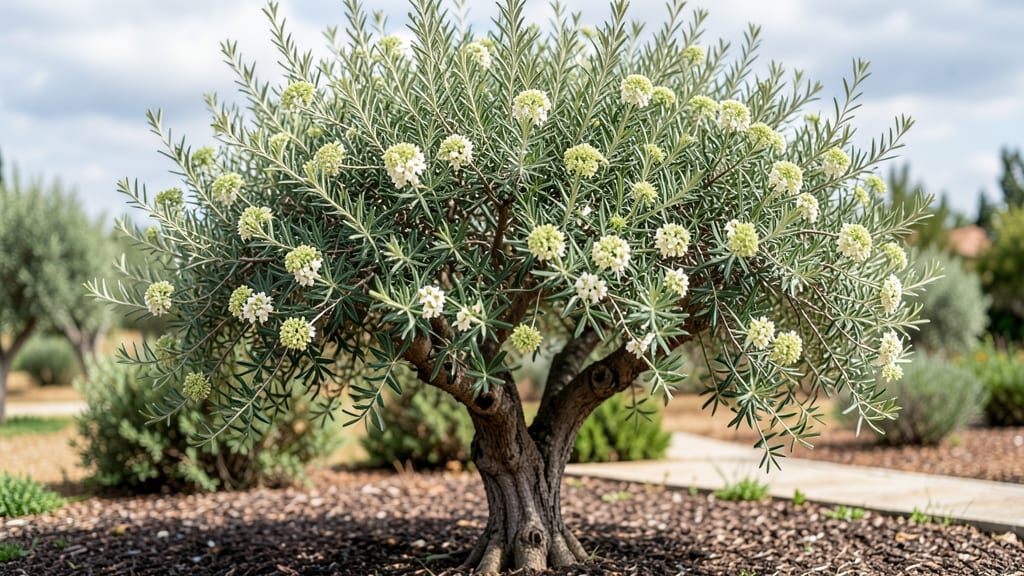
Olives flower in late spring or early summer 🫒, depending on your climate zone, and getting this timing right is the key to a bountiful harvest.
Picture this: your olive tree has been patient for years, waiting for the perfect moment to bloom. But if you miss the narrow window—often just a few weeks—your fruit set could drop by half.
That’s why knowing the exact cues (like new shoot growth or catkin formation) makes all the difference.
In Mediterranean climates, flowering typically kicks off in May or June, while cooler zones like USDA 7-8 may see blooms stretching into July. Temperature swings trigger the process, and even a single cold snap can delay it.
If you’re growing olives for oil or table fruit, timing isn’t just about patience—it’s about strategy.
Here’s what you’ll discover: how to spot the signs of impending bloom, why pruning in the wrong season backfires, and the simple adjustments that can double your yield next year.
Olive flowering seasons by climate Zone: spring vs. summer bloomers
Olive trees (Olea europaea) are fascinating because their flowering timing depends entirely on your climate zone. In Mediterranean climates, they bloom in late winter or early spring, while subtropical and temperate zones often see summer flowering.
These differences aren’t random—they’re triggered by temperature shifts and day length. Understanding these patterns helps you predict blooms and adjust care for better fruit production.
The key to spotting pre-flowering signs is watching for catkin formation, those fuzzy, elongated buds that appear before tiny white flowers. In spring-blooming varieties, these catkins emerge in February-March when nights stay cool (below 50°F) but days warm up.
Summer bloomers, however, wait until June-July when heat spikes and humidity rises. Miss these cues, and you might prune at the wrong time, accidentally removing next year’s flowers.
| Climate Zone | Flowering Season | Trigger Conditions | Catkin Appearance | Best Pruning Window |
|---|---|---|---|---|
| Mediterranean | Late Winter/Early Spring (Feb-Apr) | Cool nights (<50°F) + warming days | Feb-Mar (fuzzy green buds) | Post-harvest (Nov-Dec) |
| Subtropical | Summer (Jun-Aug) | Heatwave + humidity spike | May-Jun (pinkish buds) | Late Winter (Jan-Feb) |
| Temperate | Spring or Fall (Apr-Oct) | Day-length changes + mild temps | Mar-Apr or Sep-Oct (varies) | Early Spring (Mar) or Late Fall (Nov) |
In Mediterranean climates, like California or Spain, olive trees bloom when daytime temperatures rise above 60°F after a period of cooler weather. This temperature shift signals the tree to produce flowers—usually between February and April.
If you’re in Zone 9-10, mark your calendar for late February to catch the catkins early. Summer bloomers, common in subtropical zones (Zone 8-9), wait until June or July when heat stress triggers flowering.
Temperate climates add complexity because some varieties bloom in both spring and fall. For example, ‘Arbequina’ olives in Zone 7-8 might flower in April and September. The secret here is day length: shorter days in fall can stimulate a second bloom cycle.
To maximize fruit, avoid heavy pruning in late summer, as new growth becomes next year’s flower sites.
Identifying catkins is easier than you think. Look for 1-inch fuzzy buds along last year’s wood. In spring bloomers, these turn pinkish-white before opening. Summer bloomers’ catkins often appear greenish-yellow.
If you see these but no flowers emerge, check for pests (scale insects) or nutrient deficiencies (low zinc or boron), which can block flowering.
Pro tip: Prune after harvest in Mediterranean zones to avoid removing flower buds. In subtropical areas, light pruning in late winter encourages air circulation, reducing humidity-related diseases that can kill blooms. For temperate climates, prune in early spring to shape the tree without disturbing flower clusters.
Temperature fluctuations are the real game-changer. Olive trees need a 10-15°F drop at night followed by warm days (70-80°F) to set flowers. In heatwave-prone areas, shade cloth during 100°F+ days can protect catkins. Conversely, frost-sensitive zones should avoid late-spring blooms by choosing early-harvest varieties like ‘Manzanillo’.
Watch for leaf color changes too. Just before flowering, leaves may turn lighter green as the tree shifts energy to flower production. Pair this with increased pollinator activity (bees and wasps visiting early morning).
If you notice no bees by week 3 of catkin appearance, hand-pollinate with a soft brush to boost fruit set.
For container-grown olives, flowering timing shifts slightly due to root stress. Potted trees in Zone 7 or cooler may bloom 2-4 weeks later than in-ground trees.
To sync blooms, move pots to a sheltered spot in winter and gradually increase sunlight in early spring. Avoid fertilizing during catkin formation—too much nitrogen delays flowering.
Remember: Olive trees are biennial bearers, meaning they alternate between heavy and light crops. If your tree blooms but drops flowers, it’s often due to inconsistent watering or poor pollination.
Keep soil evenly moist (not soggy) during bloom, and consider planting companion flowers like lavender to attract more pollinators.
How pruning affects olive flowering: best practices for timing & technique
Pruning your olive tree at the wrong time can turn a promising flowering season into a fruitless disaster. The key lies in understanding how timing and technique directly impact your tree’s ability to produce blooms—and eventually, olives.
If you prune too early, you risk cutting off next year’s flower buds, while pruning too late can stress the tree just as it’s preparing to bloom.
Olive trees are evergreen perennials, meaning they flower on old wood (last year’s growth) and new wood (current season’s shoots). This dual-flowering habit makes pruning tricky: one wrong cut can reduce your fruit yield by 30-50%.
The goal is to stimulate growth without sacrificing flowering potential, and that starts with knowing when to reach for your pruners.
⚠️ callout warning ⚠️
Olive trees typically flower in late spring (May-June) in Mediterranean climates, but timing shifts in cooler zones. In USDA 7-8, blooms may stretch into July, while subtropical areas can see fall flowering (September-October). Cold snaps delay blooms, and heatwaves can stress flowers, reducing pollination success.
🌡️ Key trigger: A 10°F drop in nighttime temps followed by warm days (75°F+) signals flowering. Miss this window, and your tree may skip blooming entirely.
For maximum flowering, prune your olive tree immediately after harvest (late winter to early spring, February-March). This timing ensures you’re not removing potential flower buds that formed on last year’s wood. Focus on opening the canopy to improve air circulation and sunlight penetration—critical for pollinator access during bloom.
If you prune before flowering (e.g., late winter), limit cuts to 10-15% of the canopy to avoid shocking the tree. Heavy pruning now can reduce flower production by up to 40%, as the tree diverts energy to healing wounds instead of bud formation.
Always prioritize structural pruning over aggressive thinning.
A common mistake is pruning in summer, which stresses the tree just as it’s flowering or setting fruit. Summer cuts should be minimal and targeted—only remove dead or diseased branches. Avoid heavy shaping, as this can delay next year’s flowering by disrupting the tree’s natural growth cycle.
To optimize flowering, pair pruning with balanced fertilization (spring and early summer) and consistent watering. A well-pruned olive tree with 6+ hours of sunlight will produce 2-3 times more flowers than a neglected one.
Start with light pruning in your first year, then gradually increase intensity as the tree matures.