
Planting
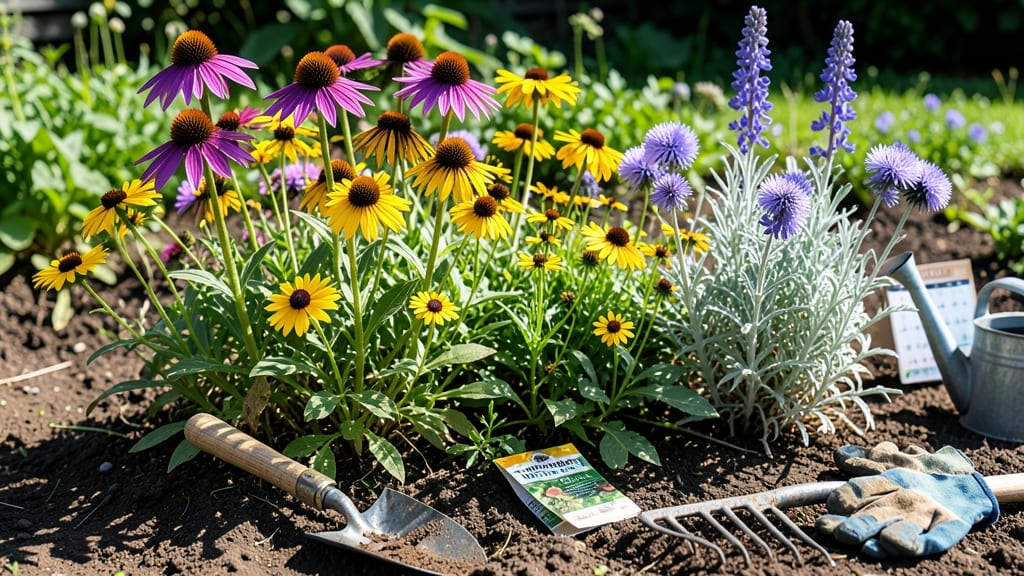
Plant wildflowers in early spring or fall for the best results 🌼 — timing directly impacts how quickly they bloom and how long they thrive.
Picture this: you’ve spent hours scattering seeds, only to watch them sprout and then fizzle out before summer. That’s what happens when you plant at the wrong time.
The key is matching your USDA zone to the ideal window—spring for annuals, fall for perennials—so you get vibrant blooms from early summer through frost.
In Zone 6a, like many gardeners, you’ve got two perfect chances: March through May for spring plantings or September through October for fall. But the rules shift in warmer or cooler climates, which is why knowing your exact zone saves you from costly mistakes.
Below, I’ll break down the exact months for your region, whether to sow seeds directly or start indoors, and how to keep your wildflowers blooming all season long—without the guesswork.
Best planting months for wildflowers by USDA zone (exact timeline)
Planting wildflowers at the right time ensures vibrant blooms all season long, but the perfect window depends on your USDA zone and whether you're planting annuals or perennials.
In colder Zones 3-5, fall planting gives roots time to establish before winter, while Zones 6-11 often favor spring or early fall sowing. Humid regions may need adjustments to prevent fungal issues, and drought-prone areas benefit from early fall plantings to conserve moisture.
Most wildflowers thrive when sown 4-6 weeks before your average last frost date for spring blooms or 6-8 weeks before first frost for fall plantings. Perennials like black-eyed Susans and coneflowers establish deeper roots with fall sowing, while annuals such as cosmos and zinnias often perform better in spring.
Let’s break down the exact months for each zone to maximize your wildflower success.
| USDA Zone | Spring Planting Window | Fall Planting Window | Best for Perennials | Climate Notes |
|---|---|---|---|---|
| Zones 3-4 | Late April - Early June | Mid-August - Mid-September | Fall (best root growth) | Cold winters; avoid late fall planting |
| Zones 5-6 | Early April - Mid-May | Late August - Early October | Fall (6-8 weeks before frost) | Humid areas: water lightly after planting |
| Zones 7-8 | February - March | September - Early November | Fall or early spring | Drought-prone: plant in fall for moisture retention |
| Zones 9-10 | January - February | September - October | Fall (avoid summer heat) | Mild winters; can plant year-round in some areas |
| Zone 11 | Year-round (avoid peak summer) | September - November | Fall or winter (avoid summer drought) | Hot, dry summers; mulch heavily after planting |
In Zones 3-4, where winters are harsh, focus on fall planting (August-September) for perennials like purple coneflower and bee balm. These plants need time to develop strong roots before freezing temperatures.
For annuals such as sunflowers, wait until late April or early May when soil temperatures rise above 50°F. In these colder zones, avoid planting wildflowers after mid-June, as they may not establish before winter.
Gardeners in Zones 5-6 have flexibility with both spring and fall plantings. For spring sowing, aim for April-May to catch early blooms from annuals like cosmos. Fall planting in late August-October works best for perennials, giving them a head start on next year’s growth.
Humid climates in these zones may require light mulching to prevent fungal diseases during wet springs.
Southern regions in Zones 7-10 can plant wildflowers almost year-round, but timing still matters. In Zones 7-8, fall planting (September-November) is ideal for perennials, while spring (February-March) suits annuals. For Zones 9-10, where summers are scorching, avoid planting in peak heat (June-August).
Instead, sow in early spring or fall to prevent seed desiccation. Drought-prone areas benefit from deep watering after planting to encourage root depth.
Zone 11 gardeners enjoy the most leeway but must adapt to year-round growing conditions. Plant annuals like Mexican sunflower in winter or early spring to avoid summer drought stress.
For perennials, focus on fall (September-November) plantings to establish roots before the next growing season. Always mulch heavily to retain moisture in the arid climate.
Regardless of your zone, always prepare the soil by removing weeds and loosening the top 2-3 inches of soil. Wildflowers prefer well-draining soil with minimal fertilization—too much nitrogen reduces flowering. After sowing, lightly rake seeds into the soil and water gently to settle them without burying too deeply.
Most wildflowers germinate best in 60-70°F soil temperatures, so avoid planting when soil is too cold or hot.
Pro tip: Mix wildflower seeds with sand for even distribution and avoid overcrowding. Thin seedlings to 6-12 inches apart once they reach 2-3 inches tall to prevent competition. With the right timing and care, your wildflowers will reward you with months of colorful blooms and support for local pollinators.
🌼
Fall planting vs. spring planting: which works best for your wildflowers?
Choosing between fall and spring planting for wildflowers can mean the difference between a year-round color show or waiting months for blooms. Each season offers unique advantages, but your USDA zone and local climate will tip the scales.
Let’s break down the pros and cons so you can decide what works best for your garden.
Fall planting often gets the gold star for wildflowers because it gives seeds time to establish roots before winter dormancy. This head start means faster blooms next spring and stronger plants overall. Plus, cooler temperatures reduce weed competition, giving your wildflowers an easier path to success.
But spring planting isn’t out of the game—it’s ideal for heat-loving varieties that need to avoid winter stress.
🌱 Fall Planting
Pros:
- Longer root establishment
- Reduced weeds in cooler months
- Earlier blooms next season
- Better drought tolerance
Cons:
- Limited time before frost
- Not ideal for heat-lovers
- Seeds may need covering
🌿 Spring Planting
Pros:
- Perfect for heat-loving wildflowers
- Longer growing season ahead
- Easier to monitor moisture
- Flexible timing in warmer zones
Cons:
- Weeds compete aggressively
- Slower blooms in first season
- Higher water needs initially
- Risk of seedling stress
For most perennial wildflowers, fall planting is the clear winner. Aim to sow seeds 4-6 weeks before your first frost date—typically September to October in most zones.
This timing lets seeds germinate and develop roots before winter, so they burst into bloom early the following year. Annual wildflowers, however, can often handle spring planting, especially in warmer climates like USDA Zones 8-11.
There’s one exception: heat-loving wildflowers like Black-Eyed Susans or Mexican Sunflowers. These thrive when planted in early spring to avoid winter stress. If you’re in a hot, dry climate, spring planting can give these varieties the best chance to establish before summer’s intensity.
Just be prepared to water consistently until they’re well-rooted.
Pro tip: If you’re unsure which season to choose, try both! Plant half your seeds in fall and half in spring to create a longer bloom season.
For example, fall-planted Coneflowers might bloom in early summer, while spring-planted ones could shine in late summer. This strategy ensures your garden stays vibrant from May through October.
Remember, the key to success is soil prep. Whether you plant in fall or spring, loosen the soil, remove weeds, and add a light layer of compost to give your wildflowers the best start.
And don’t forget—patience pays off. Some wildflowers take 2-3 years to reach their full potential, but the wait is worth it for a low-maintenance, pollinator-friendly garden that thrives year after year. 🌼