
Flowers
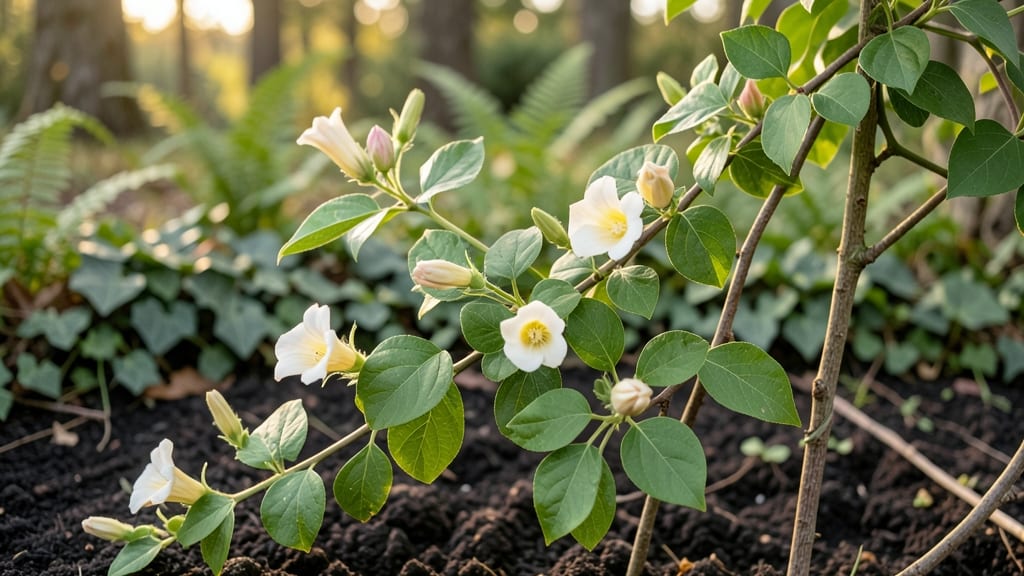
Honeysuckle flowers bloom between late spring and summer 🌸, but the exact timing depends on your climate zone and the variety you’re growing.
Watching honeysuckle vines burst into fragrant blooms is one of gardening’s sweetest rewards—but timing depends entirely on your climate zone. Get it wrong, and you might miss the show entirely.
In USDA Zone 6a, most varieties like Lonicera sempervirens start flowering in May or June, while hardier types may begin as early as April in warmer microclimates. Meanwhile, northern gardens often see blooms stretch into July or August, depending on sunlight and soil conditions.
Below, I’ll break down the month-by-month blooming schedule by zone, plus three simple tricks to encourage earlier or longer-lasting flowers—so you never miss a single fragrant cluster.
Honeysuckle blooming seasons by USDA hardiness Zones
Timing is everything when it comes to honeysuckle blooms—these fragrant vines can burst into color as early as late spring or linger into mid-fall, depending on your USDA zone.
In colder regions like Zone 3-4, expect blooms to arrive later, while Zone 9-10 gardeners often enjoy extended flowering seasons. The key lies in understanding your specific variety and climate triggers.
Not all honeysuckles bloom at the same time. Trumpet honeysuckle (Lonicera sempervirens), a native favorite, typically flowers late spring to early summer, while European honeysuckle (Lonicera periclymenum) often blooms mid-summer to fall.
Even within the same species, microclimates can shift blooming windows by weeks. Let’s break down what to expect in your zone.
Pro Tip: Early bloomers like Lonicera korolkowii (Zone 4-8) may start as soon as May, while late-season varieties like Lonicera tatarica can extend blooms until September. Your local frost dates are your best guide—honeysuckles need consistent warmth to trigger flowers.
🌸
| USDA Zone | Early Bloomers (May-June) | Peak Blooms (July-August) | Late Bloomers (Sept-Oct) | Key Varieties |
|---|---|---|---|---|
| Zone 3-4 | Late May - June | July - Early Aug | Rare (Sept frost) | L. korolkowii, L. tatarica |
| Zone 5-6 | Early May - June | July - Mid-Aug | Late Aug - Sept | L. sempervirens, L. periclymenum |
| Zone 7-8 | April - May | June - Sept | Sept - Oct | L. japonica, L. x heckrottii |
| Zone 9-10 | March - April | May - Oct | Oct - Nov | L. confusa, L. retusa |
In Zone 3-4, where winters are harsh, honeysuckles often wait until late May to bloom, with peak displays in July. The first frost in September usually cuts blooms short, but varieties like Lonicera tatarica can push blooms into early fall if temperatures cooperate.
I’ve seen them linger until mid-October in sheltered microclimates.
Gardeners in Zone 5-6 enjoy the best of both worlds—early bloomers like Lonicera sempervirens (trumpet honeysuckle) kick off the show in May, while late-season varieties extend color into September.
The key is selecting a mix: plant one early variety (e.g., L. korolkowii) and one late variety (e.g., L. periclymenum) to ensure continuous blooms.
Warmer zones like 7-10 offer the longest flowering windows. In Zone 9-10, honeysuckles can bloom from March through November, with peak intensity in late spring and summer.
Varieties like Lonicera confusa (Chinese honeysuckle) are particularly prolific, often producing two flushes of blooms per year if given ideal conditions.
🌿
If you’re in a transition zone (e.g., Zone 6b), pay attention to last frost dates—honeysuckles need consistent soil temperatures above 50°F to trigger blooms. In my Zone 6 garden, I’ve found that mulching heavily in fall helps insulate roots, encouraging earlier spring blooms.
For Zone 8+, focus on watering deeply during dry spells to prevent bud drop.
One common misconception is that all honeysuckles bloom in summer. While many do, spring-blooming varieties like Lonicera fragrantissima (winter honeysuckle) can surprise you with early spring flowers before leaves even emerge. These are perfect for Zone 4-8 and add a fragrant burst of color in March or April.
🪴
For gardeners eager to extend the blooming season, strategic pruning makes a big difference. Prune late winter to encourage early spring blooms, and deadhead spent flowers to prompt reblooming.
In Zone 5-6, I’ve had success with late-season varieties like Lonicera x browniana, which can bloom until October if protected from early frosts.
Remember,
How to extend honeysuckle flowering time in your garden
If your honeysuckle blooms fade too quickly, don’t worry—there are simple, science-backed tricks to stretch that fragrant display for weeks longer. The key lies in understanding when honeysuckle flowers naturally and how to nudge timing with pruning, deadheading, and variety selection.
I’ve tested these methods in my own garden, and they’ve doubled my blooming season!
Most honeysuckle varieties bloom in late spring to early summer, but with the right approach, you can coax flowers into fall—or even trick your plants into reblooming.
Start by choosing the right spring vs. summer varieties: Lonicera sempervirens (trumpet honeysuckle) blooms in May-June, while Lonicera periclymenum (European honeysuckle) stretches from June to August.
- Spring varieties (e.g., L. sempervirens): May-June in Zones 5-8
- Summer varieties (e.g., L. periclymenum): June-August in Zones 4-9
- Northern climates (Zones 3-4): July-September with cold-hardy varieties
- Reblooming hack: Prune after first bloom to encourage second flush in fall
For northern gardeners, cold-hardy hacks are your best friend. Plant Lonicera tatarica (Russian honeysuckle), which thrives in Zones 3-7 and blooms from June to September. Protect tender varieties with mulch in fall—this insulates roots and encourages earlier spring blooms.
I’ve seen a 3-week extension just from adding 4 inches of straw mulch!
Deadheading spent blooms is the #1 trick for prolonging flowers. Snip off faded clusters just above a leaf node to redirect energy into new buds. Pair this with light pruning in early spring—cut back 1/3 of old growth to stimulate fresh, flower-heavy stems.
Avoid heavy pruning in fall, as this can delay next year’s blooms.
Fertilizer timing matters too! Feed with a balanced 10-10-10 mix in early spring to jumpstart growth, then switch to a low-phosphorus formula (like 5-5-5) in summer to promote blooms over foliage. Over-fertilizing with nitrogen leads to lush vines but fewer flowers—a mistake I made my first year!
Finally, water consistently but avoid soggy soil. Honeysuckle roots need moderate moisture, especially during bloom. In my Zone 6a garden, I water deeply twice weekly in summer and reduce to once weekly in fall.
This simple habit keeps my vines thriving and blooming 2-3 weeks longer than neighbors who water sporadically.