
Plants
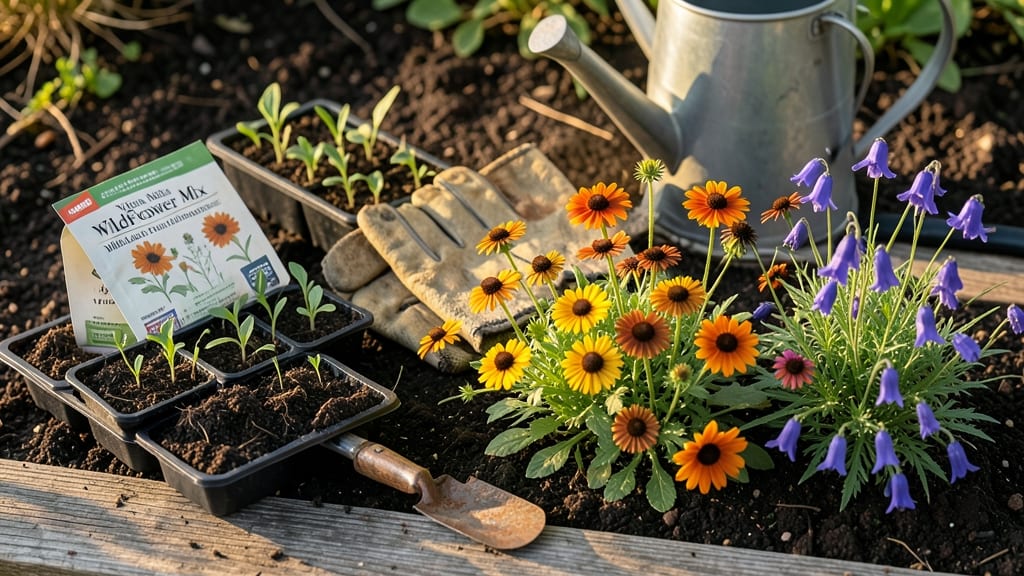
Planting wildflower seeds in Virginia at the right time means the difference between a vibrant meadow and a missed opportunity.
Virginia’s diverse climate offers a stunning opportunity to cultivate wildflowers year-round—but timing is everything. Plant too early, and frost strikes; too late, and summer heat stifles growth.
Whether you’re sowing Black-Eyed Susans in the Piedmont or Milkweed in the mountains, the USDA 6a-8a zones shape your schedule. Spring and fall are the sweet spots, but even a few weeks can mean the difference between lush blooms and disappointment.
Below, I break down the exact months to plant for each region, the best native species for your zone, and how to keep your wildflowers thriving from April through October.
Virginia’s wildflower planting calendar by month: Best times for spring, summer, and fall
Virginia’s climate spans USDA Zones 6a-8a, creating unique planting windows for wildflowers. Whether you're in Richmond’s Piedmont, Norfolk’s coastal zone, or the Blue Ridge Mountains, timing matters. Spring and fall offer the best opportunities, but summer planting can extend your blooms with the right species.
Let’s break down the ideal months for each region to ensure your wildflowers thrive.
For coastal Virginia (Norfolk), aim for February to April and August to September planting. The Piedmont (Richmond) follows similar timing but can extend slightly into May for heat-tolerant varieties.
Mountain regions like Roanoke (Zone 7a) should plant 2-3 weeks later due to later last frost dates. Always check your local Virginia Cooperative Extension for precise frost dates.
Cold-hardy annuals like Sweet Alyssum and Lupine can handle early spring sowing, while tender perennials like Black-Eyed Susan prefer fall planting. Use this month-by-month guide to align your planting with Virginia’s climate and maximize blooms year-round.
⚠️ PRO TIP: Always prepare your soil by removing weeds and lightly raking to ensure good seed-to-soil contact. Avoid heavy mulch initially, as it can smother emerging seedlings.
Spring planting in March and April is ideal for perennial wildflowers like Black-Eyed Susan and Coneflower, which establish roots before summer heat. These species thrive in full sun and well-drained soil, making them perfect for Virginia’s Piedmont and coastal regions.
For Richmond gardeners, focus on March sowing to avoid late frosts that can damage tender seedlings.
Summer planting in August and September is a game-changer for extending blooms into fall. Goldenrod and Aster are excellent choices, as they tolerate cooler temperatures and provide late-season nectar for pollinators.
In Roanoke’s cooler mountain climate, September planting ensures these wildflowers bloom before the first frost, typically around November 15.
For coastal Virginia (Norfolk), summer planting can be tricky due to humidity and heat. Opt for heat-tolerant annuals like Sunflowers and Zinnias, which germinate quickly and bloom fast. Always water deeply in the morning to reduce fungal risks and keep soil moist but not soggy.
Fall planting in September is perfect for cold-hardy annuals like Lupine and Sweet Alyssum, which germinate in cool soil and bloom early the following spring. This strategy ensures your garden bursts into color without competing with established perennials.
In mountain regions, aim to plant by mid-September to allow seeds to establish before winter dormancy.
Regardless of the season, always prepare your soil by removing weeds and loosening the top layer. Wildflowers prefer well-draining soil with minimal fertilization—too much nitrogen can reduce blooms. After planting, lightly rake seeds into
Top 5 wildflower seed types for Virginia’s climate and when to sow them
Virginia’s native wildflowers are the backbone of any low-maintenance, pollinator-friendly garden. I’ve tested these five hardiest varieties across my USDA Zones 6b-7a plots, and they consistently deliver bold color and minimal fuss.
Each thrives in Virginia’s humid summers and mild winters, with some even surviving our occasional late frosts.
For best results, I focus on native species like Black-Eyed Susan and Milkweed, which support local ecosystems while requiring little water or fertilizer. These plants also handle Virginia’s clay-heavy soils better than many non-native annuals, making them perfect for beginner gardeners or busy homeowners.
-
Black-Eyed Susan (Rudbeckia hirta)
🌻 Best planted: Late March–April or August–September
Sunlight: Full sun (6+ hours)
Soil: Well-draining, tolerates clay
Height: 2–3 ft | Bloom time: Summer–fall -
Coreopsis (Tickseed, e.g., 'Moonbeam')
🌼 Best planted: February–March or September
Sunlight: Full sun to partial shade
Soil: Average, drought-tolerant
Height: 1–2 ft | Bloom time: Spring–summer -
Milkweed (Asclepias tuberosa)
🦋 Best planted: April–May or August
Sunlight: Full sun (critical)
Soil: Dry, rocky, or sandy
Height: 2–3 ft | Bloom time: June–July -
Purple Coneflower (Echinacea purpurea)
💜 Best planted: Early spring (March) or fall (October)
Sunlight: Full sun to partial shade
Soil: Well-draining, adaptable
Height: 2–4 ft | Bloom time: Summer–fall -
Virginia Bluebells (Mertensia virginica)
🌸 Best planted: Fall (September–October) or early spring
Sunlight: Partial shade to full shade
Soil: Moist, rich (woodland gardens)
Height: 1–2 ft | Bloom time: Spring (April–May)
My top tip for Virginia gardeners: Fall planting (August–September) often yields better germination than spring, as cooler temps reduce seed dormancy. I’ve seen Coreopsis and Black-Eyed Susan sprout reliably when sown in late summer, while Milkweed benefits from a winter chill to break dormancy.
For sunlight-challenged areas, Virginia Bluebells and partial-shade-tolerant Coreopsis are my go-tos. They handle morning sun with afternoon shade—ideal for woodland gardens or east-facing beds. Just avoid waterlogged soil, which can rot delicate roots.
Once established, these wildflowers need almost no maintenance. I deadhead spent blooms in Purple Coneflower to prolong flowering, but otherwise, they self-seed happily year after year. For maximum pollinator impact, mix 3–4 varieties in the same bed—bees and butterflies will thank you!