
Planting
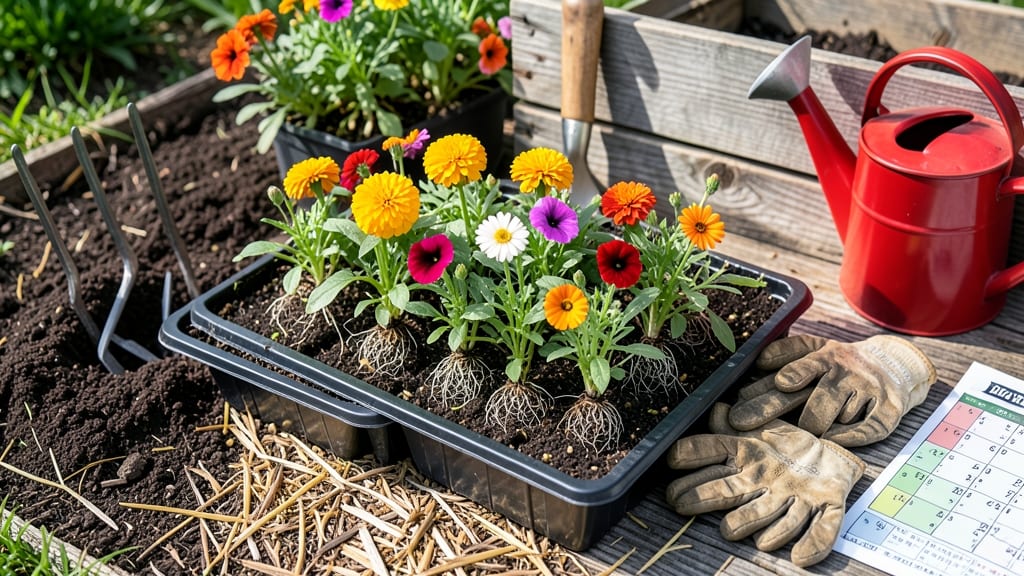
The best time to plant flowers outside depends on your hardiness zone and the type of blooms you’re growing—get it wrong, and you’ll end up with sad, stunted 🌸 or missed seasons entirely.
Timing your flower planting can mean the difference between vibrant blooms and wilted disappointment—so why guess when you can know the exact best months for your hardiness zone?
In Zone 6a, like many mid-latitude gardens, spring is your golden window: aim for 4-6 weeks before your last frost (around mid-April in most areas), but fall also works for perennials and bulbs.
Below, I break down the ideal months by zone, how to adjust for late frosts or early heat, and the top 5 flowers to plant in each season—plus the mistakes that’ll kill your garden before it even starts.
Best flower planting months by USDA hardiness Zone (with exact timing)
Getting your flowers planted at the right time ensures they thrive and bloom beautifully. But timing varies dramatically depending on your USDA hardiness zone—what works in Zone 5 could fail in Zone 9.
Let’s break down the exact months for planting annuals, perennials, and bulbs, so you can avoid frost damage or heat stress.
Most gardeners focus on spring planting, but some flowers—especially perennials and bulbs—thrive when planted in fall. The key is understanding your last frost date and soil temperature.
For example, Zone 3’s frost-free window is much shorter than Zone 10’s, where winter planting is ideal. Let’s dive into the specifics for each zone.
Below is a zone-by-zone planting guide covering annuals, perennials, and bulbs. I’ve included exact months, soil temperature thresholds, and regional exceptions (like Zone 10’s winter planting) to help you plan with confidence.
| Zone | Annuals | Perennials | Bulbs | Soil Temp | Notes |
|---|---|---|---|---|---|
| Zones 3-4 | Late May - Early June (after last frost) | Early April - Mid-May (bare root) or Fall (dividing) | Fall (Sept-Oct) or Early Spring (March) | 50-60°F (10-15°C) | Use row covers for early starts |
| Zones 5-6 | Mid-April - Early May (after frost) | Early April - Late May (bare root) or Fall | Fall (Oct-Nov) or Early Spring (March) | 55-65°F (13-18°C) | Avoid planting too early—soil may still be cold |
| Zones 7-8 | March - Early April (spring) or Sept-Oct (fall) | Early Spring (Feb-Mar) or Fall (Sept-Oct) | Fall (Oct-Nov) or Early Spring (Feb) | 60-70°F (16-21°C) | Fall planting extends next year’s blooms |
| Zones 9-10 | Fall (Sept-Oct) or Early Spring (Feb-Mar) | Fall (Sept-Nov) or Early Spring (Jan-Feb) | Fall (Oct-Nov) or Winter (Dec-Jan) | 65-75°F (18-24°C) | Winter planting avoids summer heat stress |
| All Zones | 4-6 weeks before last frost (check local averages) | Fall (4-6 weeks before first frost) | 6-8 weeks before first frost (fall) or early spring | Varies by zone | Hardening off seedlings is critical for transplant success |
For Zones 3-4, where winters are harsh, focus on late spring planting for annuals like marigolds and zinnias. These areas benefit from row covers to extend the season. Meanwhile, perennials like coneflowers can be planted in early spring or fall, as long as the soil isn’t frozen.
In Zones 5-6, you’ve got a bit more flexibility. Start cool-season annuals like pansies in early spring, but wait until mid-April for heat-loving petunias and geraniums. Fall planting is ideal for bulbs like tulips, giving them time to establish roots before winter.
Soil temperatures here should be at least 55°F (13°C) for safe planting.
Zones 7-8 offer two prime planting windows: early spring and fall. This is perfect for perennials like black-eyed Susans, which thrive when planted in September or October. Annuals like impatiens can handle fall planting as long as you protect them from early frosts. Soil temps should be 60°F (16°C) or warmer for best results.
If you live in Zones 9-10, you’re in luck—winter planting is your secret weapon!
Many flowers, including pansies and snapdragons, thrive when planted in fall or even winter, avoiding the intense summer heat. Bulbs like daffodils can go in the ground as early as October, and some perennials can handle January planting in
How to adjust planting time for late frosts, heat waves, and special cases
Unpredictable weather can throw off even the most careful gardeners—especially when late frosts or early heat waves arrive unexpectedly. The key to success lies in flexibility and preparation, whether you’re growing tropical hibiscus or hardy daisies.
I’ve learned that adjusting planting times isn’t just about dates; it’s about understanding your plants’ resilience and using tools like row covers or cold frames to extend seasons.
For example, in Zone 6a, where I garden, a late frost in May can devastate tender annuals like petunias or geraniums if planted too early.
Meanwhile, heat waves in June can stress out seedlings before they establish roots. The solution? Start with slow-growing perennials or use season extenders to buy time.
⚠️ callout warning ⚠️
Even a single night below 32°F can kill tender annuals like marigolds or impatiens. Always check your local frost dates (not just zone averages) and wait until soil temps stay above 55°F for 7+ days. For Zone 5-7, this often means delaying spring planting until mid-May instead of April.
💡 Pro Tip: Use a soil thermometer—it’s more accurate than guessing!
One of my favorite tricks is using row covers (lightweight fabric) to protect seedlings from late frosts while still allowing sunlight. I’ve successfully planted zinnia seeds in early April under a cover, then removed it after the last frost.
For heat waves, I opt for shade cloth or plant in partial shade until temps drop below 90°F consistently.
Special cases like tropical flowers (e.g., plumerias, bird of paradise) or bulbs like dahlias need extra attention. Tropicals should wait until after Memorial Day in most zones, while dahlias—though hardy—thrive when planted in late spring (after soil warms to 60°F) to avoid rot.
I’ve also had success with cold frames for overwintering tender perennials like canna lilies in Zone 7b.
Don’t forget about fall planting for perennials and bulbs! In Zone 6a, I plant tulip bulbs in October (6 weeks before ground freezes) to ensure roots establish before winter.
For annuals like pansies, I wait until September to avoid early fall frosts. The rule of thumb? Plant cool-season flowers 4-6 weeks before your first frost.
Finally, keep a gardening journal to track your local weather quirks. Last year, my late May frost caught me off guard, but now I adjust planting times based on 5-year averages rather than zone guidelines alone.
With these strategies, you’ll turn unpredictable weather into an advantage—because the best gardeners aren’t just patient; they’re prepared.