
Flowers
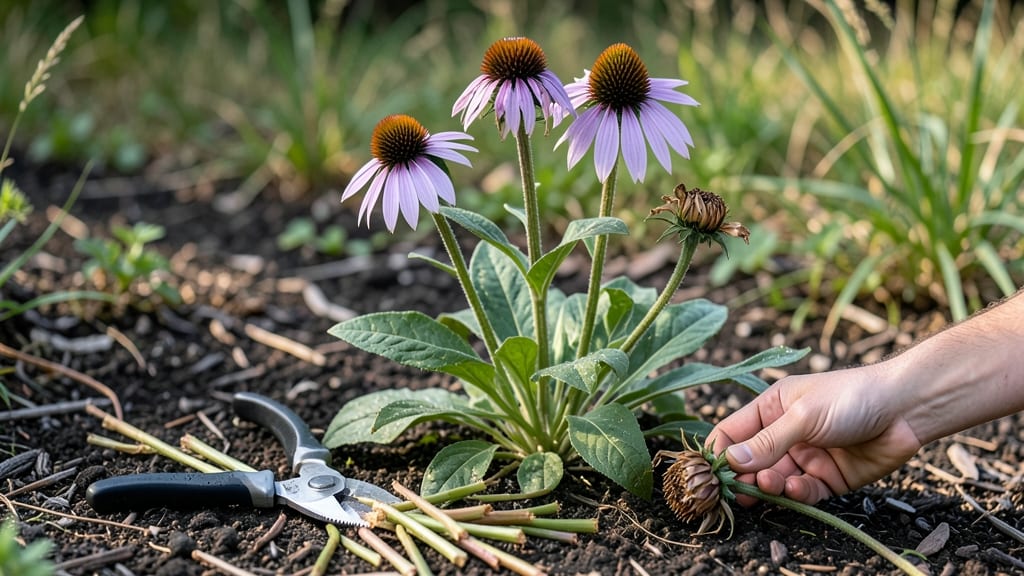
Cutting back coneflowers at the right time ensures stronger blooms and healthier plants next season.
Struggling to decide when to prune your 🌼 for maximum growth? Timing is everything—and doing it wrong could leave your plants weak or vulnerable to pests.
Late winter, after the first hard frost but before new growth appears, is the sweet spot for trimming. This prevents disease while preserving root health, especially in USDA Zone 6a climates.
In this guide, I’ll walk you through the exact steps, including how to cut back stems, sanitize tools, and avoid common mistakes—so your coneflowers bounce back even better next spring.
Best late winter timing for cutting back coneflowers
Timing your coneflower pruning in late winter is one of the most important tasks to ensure vibrant blooms next season. The key window is after your region's hard frost but before new growth appears in spring. This timing prevents disease spread while allowing roots to stay healthy through dormancy.
Coneflowers (Echinacea) are perennial powerhouses that thrive when given the right care during their dormant phase. Cutting back too early exposes them to late-season pests, while waiting too long can smother new shoots.
The optimal time varies slightly by USDA hardiness zone, but generally falls between mid-February and early March in most regions.
Why late winter? Pruning at this time removes last year's dead foliage, which can harbor fungal spores and pests. It also allows sunlight to reach the crown of the plant, encouraging stronger regrowth. Plus, the soil is still cold enough to protect roots from stress.
| Region | Best Time | Key Indicator | Why It Matters |
|---|---|---|---|
| Zones 3-5 | Late February - Early March | After 3+ weeks below freezing | Prevents early rot in cold climates |
| Zones 6-8 | Mid-March | When daylight increases to 10+ hours | Encourages early spring growth |
| Zones 9-11 | Early February | Before new shoots appear | Avoids humidity-related diseases |
| All Regions | Before April 1 | Soil 40°F or colder | Protects root systems from shock |
In cold northern climates (Zones 3-5), wait until you've had three consecutive weeks of temperatures below freezing. This ensures the plant is fully dormant and won't regrow too soon. Look for brown, crispy foliage as your cue—it means the plant is ready for a fresh start.
For warmer southern regions (Zones 9-11), act sooner—typically by early February. Here, the risk of fungal diseases like powdery mildew is higher, so removing old growth early helps. Just be sure to avoid pruning during rainy periods to prevent soil-borne pathogens from spreading.
What if you missed the window? Don't panic! You can still prune in early spring (March-April) as long as new growth hasn't emerged. The goal is to remove dead stems while leaving the healthy basal growth intact. Just be prepared for slightly delayed blooms that season.
One common mistake is cutting back too aggressively in late winter. Leave 3-6 inches of stem above the ground to protect the crown. This height also helps insulate roots during any unexpected late frosts.
If you're unsure, err on the side of leaving more stem—your coneflowers will thank you with bigger blooms next summer.
After pruning, clean up debris immediately to prevent pests from overwintering. I like to compost the clippings (if disease-free) or dispose of them in yard waste. Then, apply a 2-inch layer of mulch around the base to lock in moisture and regulate soil temperature as spring approaches.
Pro tip: Mark your calendar for next year by noting when you pruned this time. Coneflowers thrive on consistency, so repeating the process annually in late winter will keep your plants healthy and prolific for years to come.
With the right timing, you'll be rewarded with stunning pink, purple, and white blooms that attract pollinators all season long. 🌼
Step-by-step guide to pruning coneflowers correctly
Pruning coneflowers correctly ensures healthy regrowth and vibrant blooms next season. The key is timing—cutting back too early can expose plants to late frosts, while waiting too long risks disease buildup in old stems.
I’ve pruned hundreds of coneflowers, and the 3-6 inch rule above the ground is non-negotiable. This height protects the plant’s root system while removing dead foliage that could harbor pests. Let’s break it down step by step.
When to Cut Back Coneflowers
- ✂️ Wait until late winter (after hard frost but before new growth appears).
- 📅 USDA Zone 6a: Aim for February-March (after January’s last frost).
- 🌱 Check for growth: If you see green shoots, delay pruning 2-3 weeks.
- 🌡️ Warmth cue: Prune when daytime temps stay above 40°F consistently.
Start by gathering your tools: a clean, sharp pruner (or bypass pruners for thicker stems) and a bucket for debris. Sanitize tools with rubbing alcohol or a 10% bleach solution to prevent spreading fungal spores.
Cut each stem 3-6 inches above ground level at a 45-degree angle. This encourages new growth from the base while avoiding root damage. For woody stems, use loppers to avoid tearing the plant.
After pruning, remove all cuttings from the garden immediately. Leaving old stems can attract pests like slugs or fungal diseases. Compost healthy debris, but burn diseased stems to prevent reinfection. Mulch around the base with 2-3 inches of organic mulch to protect roots.
First-time gardeners often worry about cutting too much—don’t! Coneflowers are hardy perennials and regrow quickly from their roots. If you’re unsure, leave 4-5 inches of stem, and your plants will thank you with fuller blooms next summer.