
Flowers
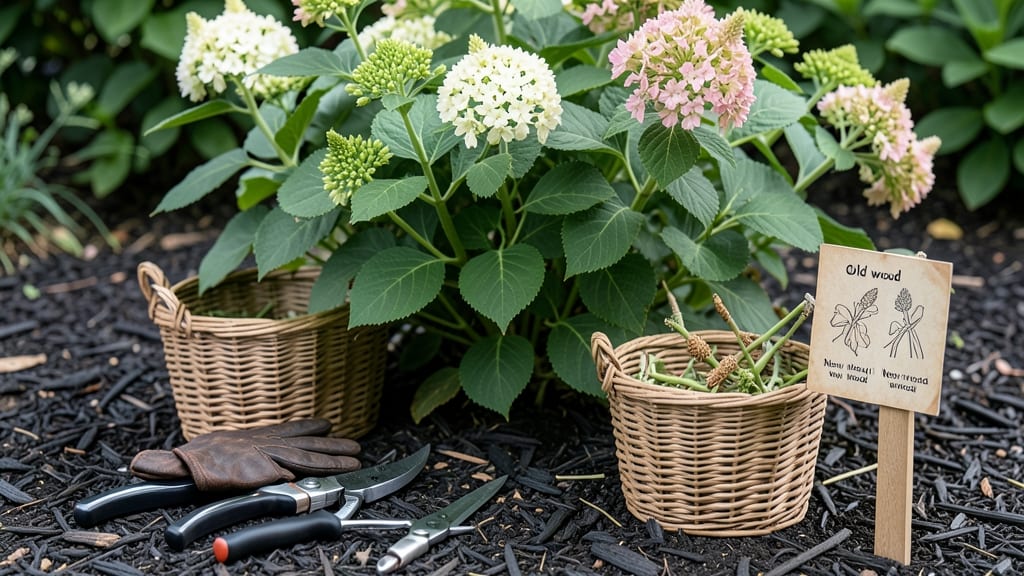
Cutting hydrangea flowers off after they bloom ensures next year’s showstopping blooms 🌸 — but timing it wrong can leave you with bare branches.
If you’ve ever pruned hydrangeas only to wonder why they didn’t bloom the next season, you’re not alone. Most gardeners get the timing wrong, sacrificing next year’s stunning flowers for this year’s fleeting beauty.
The key is pruning at the right moment—when the plant is dormant but before new growth begins.
In USDA Zone 6a, the best window is late winter or early spring, just as buds form but before leaves appear. This ensures you’re cutting back old wood while preserving next year’s flower buds hidden in the stems.
For varieties like mophead or lacecap, wait until after the first frost when the plant has fully rested.
Below, I’ll walk you through the exact steps to prune without ruining next year’s blooms, plus what to watch for to avoid common mistakes. Ready to transform your hydrangeas into a lush, long-lasting centerpiece?
Best time to prune hydrangeas for maximum blooms
Pruning hydrangeas at the wrong time can mean the difference between a blooming bush next summer and a bare branch. The key is understanding that most hydrangeas—like mophead and lacecap varieties—produce flowers on old wood that formed last year.
Cutting back too early removes next year’s blooms before they even appear!
Timing matters because hydrangeas rely on dormant buds hidden in last year’s stems. These buds need the winter chill to develop, so pruning too soon—like in late fall—can strip away your future flowers.
The optimal window is late winter or early spring, just as new growth begins but before buds swell.
Science note: Hydrangeas enter dormancy in fall, and their buds remain protected under bark until spring. Pruning after dormancy (when buds are visible but unopened) ensures you’re cutting back spent stems while preserving flower-forming wood.
| Variety | Best Pruning Time | What to Cut | Notes |
|---|---|---|---|
| Mophead (e.g., 'Endless Summer') | Late winter/early spring (Feb–March) | Dead/diseased stems + old wood (cut 1/3 of plant height) | Flowers on old wood; prune after buds form |
| Lacecap (e.g., 'Limelight') | Late winter/early spring (Feb–March) | Dead stems + light shaping (preserve framework) | Old wood bloomer; avoid heavy cuts |
| Oakleaf (e.g., 'Snow Queen') | Late winter/early spring (Feb–March) | Dead stems + 1/3 of oldest branches | Old wood bloomer; prune to encourage new growth |
| Panicle (e.g., 'Little Lime') | Late winter OR after flowering (summer) | Dead stems OR 1/3 of oldest branches | New wood bloomer; flexible timing |
For mophead hydrangeas, aim to prune in February or March when you can see bud swell but before leaves emerge. This is when the plant signals it’s ready to break dormancy.
Use sharp pruners to cut 1/3 of the plant’s height, focusing on dead or crossing branches first.
Lacecap hydrangeas follow the same late-winter rule but require gentler cuts. These varieties often bloom on both old and new wood, so avoid heavy pruning. Instead, remove only last year’s spent blooms and shape lightly to maintain their airy, delicate form.
Oakleaf hydrangeas are another old-wood bloomer, so prune them in late winter too. Their exfoliating bark makes them stand out, but their flowers form on last year’s growth. Cut back 1/3 of the oldest stems to encourage vigorous new growth while preserving next year’s blooms.
One exception is panicle hydrangeas, which bloom on new wood. These can be pruned in late winter or—unlike other types—even after flowering in summer. This flexibility makes them ideal for late-season pruning if you missed the winter window.
Regional differences matter too. In warmer climates (Zones 8–10), prune in early spring when buds swell. In colder zones (Zones 3–6), wait until late winter after the last frost date to avoid frost damage to new growth.
Watch for bud swell—tiny green bumps on stems—as your cue to prune. This confirms the plant has broken dormancy and is ready for renewal. If you prune before buds swell, you risk cutting off next year’s flowers before they form.
Pro tip: Mark your calendar for February 15–March 15 as your hydrangea pruning window. This gives you a 4-week buffer to adjust for late frosts or slow bud development in cooler areas.
Step-by-Step guide: how to prune hydrangeas without killing next year’s flowers
Pruning hydrangeas at the right time ensures next year’s blooms while keeping your plant healthy. The key is to cut back old wood when the plant is dormant but before new growth starts.
For most varieties like mophead and lacecap, this means pruning in late winter or early spring, just as buds begin to swell but before leaves appear.
If you miss this window, you risk removing next year’s flower buds hidden in the stems. Always use clean, sharp pruners to make clean cuts at a 45-degree angle, about 1/4 inch above a bud or outward-facing leaf. This encourages strong regrowth and prevents disease.
When to Cut Hydrangea Flowers Off: Step-by-Step
- 🌱 Step 1: Identify Dormant Stems – Prune only after the plant has fully rested, typically in late winter (February-March) in USDA Zone 6a. Look for brown, leafless branches with no signs of new growth.
- ✂️ Step 2: Locate Next Year’s Buds – Flower buds for mophead and lacecap hydrangeas form at the tips of old stems. Cut just above the first set of buds (about 3–5 inches from the ground) to preserve future blooms.
- 🪴 Step 3: Remove Dead or Weak Wood – Snip off any broken, diseased, or crossing branches first. These won’t produce flowers and can spread illness to healthy stems.
- 🌿 Step 4: Thin Overcrowded Branches – Aim to leave 3–5 strong stems per plant, spacing them evenly. This improves airflow and sunlight penetration, reducing pest and fungal risks.
- 💧 Step 5: Clean Up Debris – Remove all pruned branches and fallen leaves from the base. This prevents splashing soil-borne diseases back onto fresh cuts.
⏰ Pro Tip: For panicle hydrangeas, prune in late winter to encourage larger blooms on new wood.
One of the biggest mistakes gardeners make is pruning too late in spring or cutting into old wood where next year’s buds are forming. If you accidentally prune too much, don’t panic—hydrangeas are resilient.
Focus on watering deeply and fertilizing with a balanced 10-10-10 mix in early spring to encourage recovery.
After pruning, mulch around the base with 2–3 inches of organic mulch to retain moisture and regulate soil temperature. This helps the plant recover faster and sets the stage for vibrant blooms next season. Avoid heavy mulch piles against the stems to prevent rot.
Finally, keep an eye out for new growth in early spring. If you see green shoots emerging from the base, your pruning was successful! With proper timing and care, your hydrangeas will reward you with bigger, healthier blooms year after year. 🌸