
Flowers
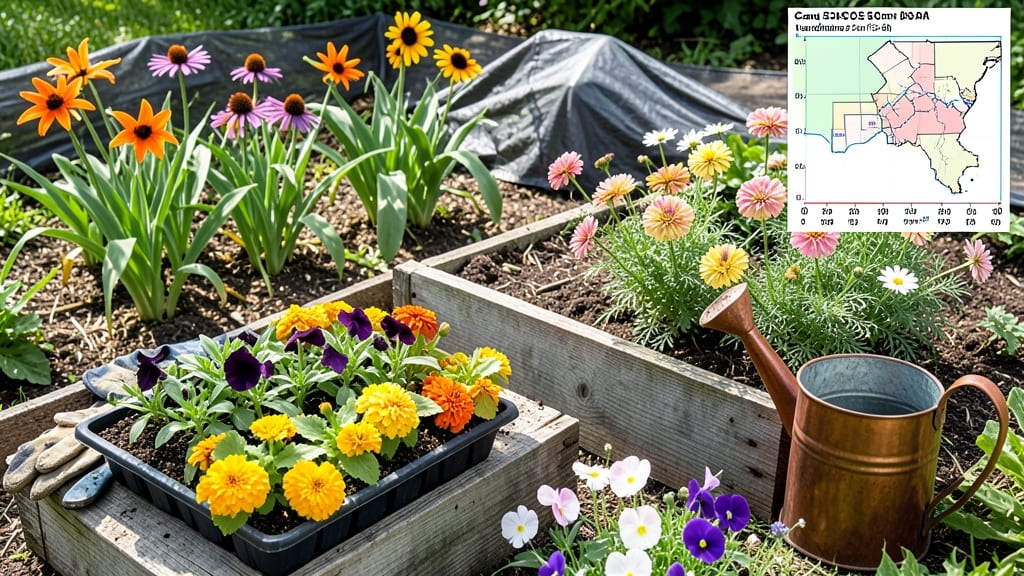
You can plant flowers in Michigan as early as mid-April in the southern zones or wait until late May in the Upper Peninsula, depending on frost risks.
Michigan’s unpredictable spring weather can leave gardeners guessing about the perfect time to plant flowers—but timing is everything for vibrant blooms and healthy growth.
From cold-hardy tulips in early spring to heat-loving petunias in summer, knowing your zone and last frost date is the key to a thriving garden. I’ll break down the exact windows for annuals, perennials, and bulbs so you can plant with confidence.
Discover how to stretch your planting season with row covers, avoid false springs, and pick the best flowers for Michigan’s climate—whether you’re in Detroit or Traverse City.
Michigan flower planting calendar by Hardiness Zones (5-6)
Michigan’s USDA Hardiness Zones 5-6 create a unique gardening challenge, with the Upper Peninsula typically cooler than the Lower Peninsula. Knowing your last frost dates (average May 10-20 for Zone 6 and May 25-June 5 for Zone 5) is critical for timing flower plantings.
The Lower Peninsula often enjoys 2-3 weeks earlier planting than the Upper Peninsula, thanks to warmer microclimates near lakes.
Spring planting begins with cool-season annuals like pansies and snapdragons, which can handle light frosts. Perennials and bulbs like tulips and daffodils should go in the ground by late March to early April, while warm-season favorites like marigolds and petunias wait until after the last frost date.
Fall planting offers a second chance for hardy perennials and spring-blooming bulbs like crocuses and hyacinths.
Here’s your zone-specific planting calendar for Michigan’s most popular flowers, including regional adjustments for the Upper vs. Lower Peninsula:
For the Lower Peninsula, aim to plant warm-season flowers by mid-May to give them time to establish before summer heat. In the Upper Peninsula, delay until early June to avoid late spring frosts. Always check your local Almanac frost dates—they can vary by 1-2 weeks yearly.
Extend your planting season by using row covers or cold frames for early starts. For example, you can plant cool-season annuals as early as late March in the Lower Peninsula if protected. Just remove covers when flowers are established to prevent overheating.
Soil temperature matters just as much as air temperature. Use a soil thermometer to confirm 50°F+ for cool-season plants and 60°F+ for warm-season varieties. In Zone 5, this might push your planting window into late May or June for heat-loving flowers.
Don’t forget fall planting! Many perennials and bulbs thrive when planted in September. The cooler temps and consistent moisture help roots establish before winter. Aim to finish by mid-October to avoid early frost damage.
Pro tip: Use mulch after planting to retain moisture and regulate soil temperature. A 2-3 inch layer of organic mulch (like straw or shredded leaves) can make a 3-5°F difference in soil warmth, giving your flowers a head start.
Regional microclimates play a big role. Gardens near Lake Michigan or Lake Huron may experience warmer springs due to lake-effect moderation, while inland areas can be cooler and frost-prone. Adjust your timeline accordingly—sometimes just
Best flowers to plant in Michigan by season (cold-hardy vs. heat-loving)
Michigan’s USDA Zones 4-6 demand strategic flower choices that thrive in both early spring chills and summer heat waves. Cold-hardy varieties like tulips and bleeding hearts can handle frost, while heat-lovers such as petunias and marigolds need late-May starts.
I’ll guide you through the best seasonal picks to keep your garden blooming year-round.
For early spring planting, focus on bulbs like daffodils and crocuses, which push through snow. These cold-tolerant flowers can be planted as soon as the ground thaws, often by mid-April in Zone 6 or late April in Zone 5.
Their vibrant colors signal that winter is over—perfect for lifting spirits after long winters.
Here’s a quick guide to help you decide which flowers to plant when, balancing frost resistance and heat tolerance for Michigan’s unpredictable climate:
🌱 Early Spring (March-April) - Cold-Hardy Picks
| Flowers | Pros | Cons |
|---|---|---|
| Tulips | Thrives in frost; early blooms | Needs staking; short-lived |
| Daffodils | Deer-resistant; long-lasting | Slow to naturalize |
| Bleeding Heart | Shade-tolerant; delicate blooms | Needs consistent moisture |
☀️ Summer (May-July) - Heat-Loving Annuals
| Flowers | Pros | Cons |
|---|---|---|
| Petunias | Long bloom season; vibrant colors | Needs frequent watering |
| Marigolds | Pest-repellent; drought-tolerant | Short-lived in cold |
| Zinnias | Attracts pollinators; easy to grow | Sensitive to powdery mildew |
🍂 Fall (August-September) - Late Bloomers
| Flowers | Pros | Cons |
|---|---|---|
| Mums | Cold-hardy; long-lasting blooms | Needs division every 2-3 years |
| Asters | Drought-tolerant; late-season color | Can spread aggressively |
| Russian Sage | Drought-resistant; attracts bees | Slow to establish |
For summer heat, wait until after the last frost date (typically mid-May in Zone 6) to plant heat-loving annuals. These flowers thrive in full sun and well-draining soil, so amend your beds with compost before planting. My go-to summer pick