
Flowers
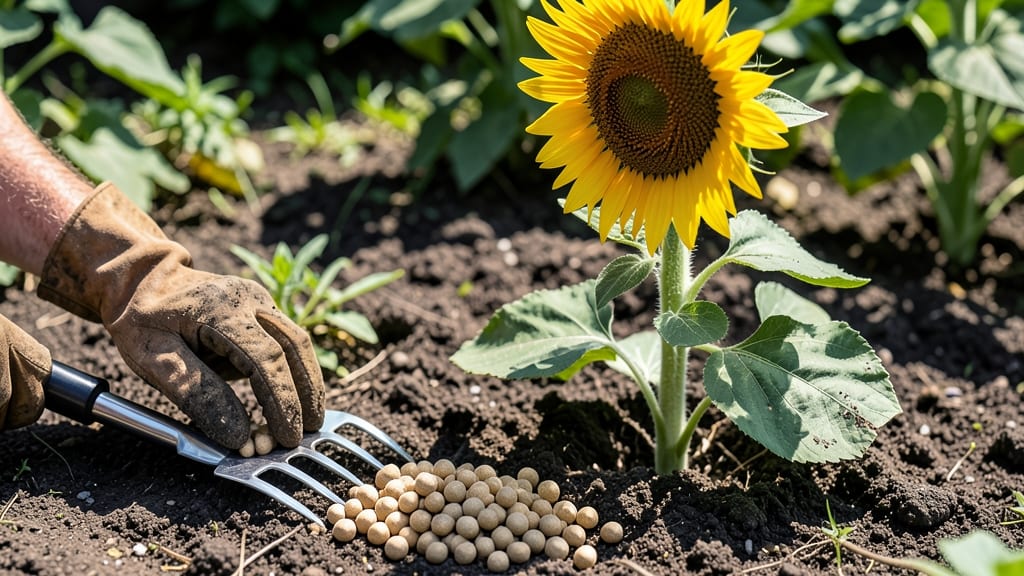
Fertilizing sunflowers at the right time transforms tiny seeds into towering 🌻 giants—here’s exactly when and how to do it for the biggest blooms.
Picture this: you’ve planted your sunflowers in April or May, and they’re growing fast—but then they slow down, stems weaken, or blooms stay small. That’s not just bad luck; it’s a missed fertilization window.
Most gardeners overlook the three key stages where sunflowers need nutrients the most, and skipping even one can stunt their growth.
Sunflowers don’t need much to thrive, but they do respond dramatically to the right fertilizer at the right time. Too early, and you’ll burn delicate roots; too late, and your plants won’t reach their full 8-to-16-foot potential.
The secret? A light feed at planting, a boost during early growth, and one final push as they flower—plus knowing which fertilizers to avoid.
In this guide, I’ll walk you through the exact timing, the best fertilizers for each stage, and how to spot signs your sunflowers are hungry—or getting too much. No guesswork, just bigger, healthier blooms by harvest.
3 Critical fertilization stages for sunflowers (with timing & types)
Sunflowers thrive when fed at the right moments, but timing is everything. Too little fertilizer leads to weak stems and small blooms, while overdoing it can burn roots or cause excessive foliage at the expense of flowers.
The key is feeding your sunflowers during three critical stages: pre-planting, early growth, and flowering. Each stage requires a different approach to ensure strong roots, robust stems, and vibrant blooms.
I’ve grown sunflowers for years, and the difference between a 3-foot dwarf and a 12-foot giant often comes down to fertilization timing. Let’s break down the exact moments to feed your sunflowers, which fertilizers to use, and how to avoid common mistakes that stunt growth.
Whether you’re using organic compost or a balanced synthetic blend, these stages will help you grow sunflowers that reach their full potential.
- 🌱 Stage 1: Pre-Planting (2-4 Weeks Before Sowing)
Add compost or balanced fertilizer (10-10-10) to soil 2-4 weeks before planting to enrich nutrients. - 🌿 Stage 2: Early Growth (When Seedlings Are 4-6 Inches Tall)
Apply a light nitrogen boost (fish emulsion or 5-10-10) to encourage strong stems. - 🌼 Stage 3: Flowering (When Buds Form, 6-8 Weeks After Germination)
Switch to a phosphorus-rich fertilizer (5-10-5 or bone meal) to promote blooming.
Let’s start with the pre-planting stage, where soil preparation sets the foundation for healthy sunflower growth. Before you even plant your seeds, your soil should be rich in organic matter.
I recommend mixing in 2-3 inches of compost or a slow-release fertilizer like 10-10-10 into the top 6-8 inches of soil. This ensures your sunflowers have access to essential nutrients from the very beginning, reducing the risk of nutrient deficiencies later.
For organic gardeners, well-aged manure or worm castings work wonders. Synthetic options like Osmocote or Miracle-Gro Shake ‘n Feed are great for those who prefer convenience. The goal here is to create a nutrient-rich environment without overwhelming the seeds.
Over-fertilizing at this stage can lead to salt buildup in the soil, which can harm young seedlings.
Once your sunflowers sprout and reach 4-6 inches in height, it’s time for the second fertilization stage: early growth. This is when your plants need a nitrogen boost to develop strong stems and lush foliage.
I use a diluted fish emulsion (1-2 tbsp per gallon of water) or a balanced fertilizer with slightly higher nitrogen (5-10-10). Apply it lightly around the base of the plant, keeping it 2-3 inches away from the stem to avoid direct contact.
During this stage, watch for signs of over-fertilization, such as dark green, leathery leaves or yellowing at the tips. These are red flags that you’re feeding too much nitrogen. On the other hand, if your sunflowers look pale or leggy, they need more nutrients.
The key is to feed lightly but consistently, about every 4-6 weeks during the growing season.
The third and final fertilization stage occurs when your sunflowers start forming buds and blooms, typically 6-8 weeks after germination. At this point, shift your focus to phosphorus and potassium, which help promote flowering and root development.
A 5-10-5 or 10-20-10 fertilizer is ideal, or you can use bone meal for organic options. This is also the time to reduce nitrogen to prevent excessive leafy growth at the expense of flowers.
Apply the fertilizer gently around the base of the plant, avoiding the stems and leaves. Water thoroughly after application to help the nutrients penetrate the soil. If you notice small, sparse blooms or buds dropping off, your sunflowers may need more phosphorus.
In contrast, large leaves with few flowers indicate too much nitrogen. Adjust your fertilizer mix accordingly to encourage vibrant blooms.
One common mistake I see is fertilizing too late in the season, especially when sunflowers are close to harvest. Once the flower head starts drying out or the seeds become plump, stop fertilizing entirely.
Continued feeding at this stage can lead to bitter-tasting seeds and reduce the plant’s energy for seed production. Instead, focus on watering deeply and mulching to support the final stages of growth.
Finally, always remember that healthy soil is the best fertilizer. Regularly amend your garden with compost or organic matter to improve soil structure and nutrient retention. Sunflowers are heavy feeders, so don’t skimp on soil preparation.
With the right fertilization schedule, your sunflowers will reward you with towering stems and radiant blooms that turn heads in your garden.
How to choose the best fertilizer for sunflowers (organic vs. synthetic)
Sunflowers thrive with the right nutrients, but choosing between organic and synthetic fertilizers can feel overwhelming. Organic options like compost and fish emulsion build soil health, while synthetic blends like 10-10-10 deliver quick results.
Let’s break down the best choices for your sunflowers based on your soil type and gardening goals.
Your soil type plays a huge role in fertilizer success. Sandy soil drains fast and needs frequent feeding, while clay soil holds nutrients longer. Loamy soil (the Goldilocks of gardening) balances both. Below, we’ll compare top fertilizers and help you pick the perfect match for your garden’s needs.
When to Fertilize Sunflowers
At Planting
Pros: Boosts early root growth, prevents nutrient deficiencies.
Cons: Over-application can burn tender seedlings.
Best for: Loamy soil or amended beds
4-6 Weeks After Sprouting
Pros: Supports rapid stem and leaf growth.
Cons: Too much nitrogen causes leafy growth, fewer blooms.
Best for: Sandy soil or fast-draining areas
Early Flowering Stage
Pros: Enhances bloom size and seed development.
Cons: Late feeding may delay flowering.
Best for: Clay soil or nutrient-poor beds
For organic gardeners, compost is the ultimate slow-release fertilizer. Mix 2-3 inches into the soil before planting to provide steady nutrients. Bone meal adds phosphorus for root development, while fish emulsion delivers nitrogen and micronutrients.
DIY a compost tea by steeping compost in water for 24 hours—strain and use as a foliar spray.
Synthetic options like 10-10-10 fertilizer offer balanced nutrition with quick results. Apply 1 tablespoon per plant every 4-6 weeks during the growing season. For sandy soil, opt for a 5-10-10 blend to prevent nutrient runoff. Clay soil benefits from a low-nitrogen fertilizer like 3-4-6 to avoid excessive leaf growth.
Cost-wise, organic fertilizers like compost are free if you make your own, while synthetic blends cost $10-$20 per bag. Fish emulsion runs $15-$25 per gallon but lasts longer. Budget tip: Combine organic and synthetic—use compost at planting and a light synthetic feed mid-season for the best of both worlds.
Pro tip: Avoid fertilizing in late summer as sunflowers prepare for dormancy. Instead, focus on mulching with straw to retain moisture and nutrients. For container-grown sunflowers, use a half-strength fertilizer every 3 weeks to prevent salt buildup.