
Plants
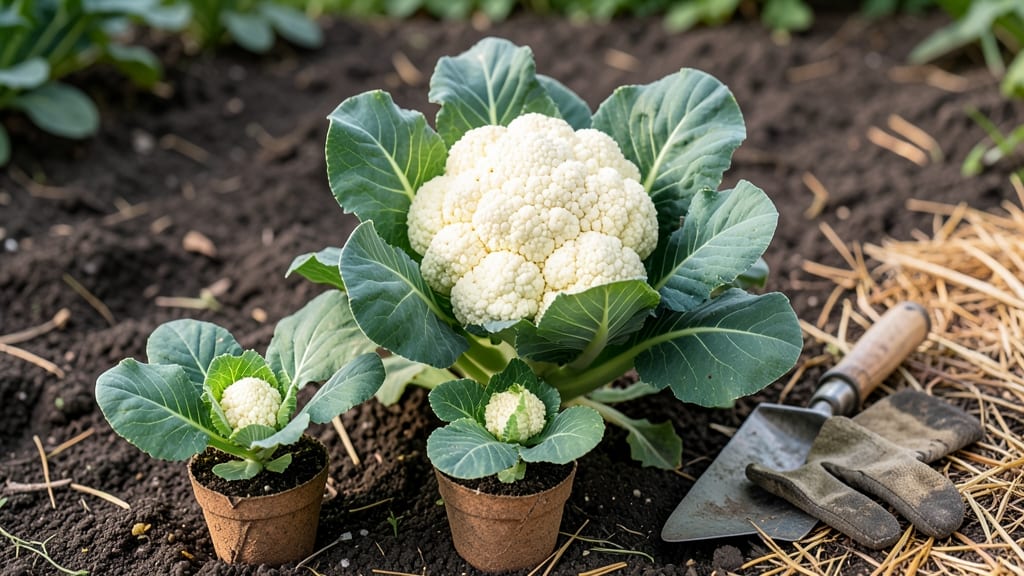
Plant cauliflower in Georgia between February–March for spring harvests and August–September for fall, timing that avoids bolting and heat stress in USDA Zones 8A/B.
Georgia gardeners know timing is everything—but planting 🥬 cauliflower too early or late can mean bitter harvests or bolting plants. Get the perfect schedule for USDA Zones 8A/B to grow crisp, flavorful heads every time.
Spring plantings need to beat the March 15 frost date, while fall crops must mature before November 15’s first frost. The key? Start transplants indoors 4–6 weeks before outdoor moves to align with Georgia’s 215-day growing season.
Below, I’ll break down the exact transplant windows, soil prep tricks for Atlanta’s clay-heavy soil, and the top 3 varieties that handle Georgia’s heat without bolting—so you can harvest May–June and again in October–November.
Best planting windows for cauliflower in Georgia’s zones 8A/b
Cauliflower thrives in Georgia’s mild winters and cool springs, but timing is critical to avoid bolting (premature flowering) or heat stress. In USDA Zones 8A/B, I’ve found two ideal planting windows—fall and spring—that align with Georgia’s 215 frost-free days.
Plant too early, and you’ll battle pests; too late, and the heat triggers bolting. Let’s nail the perfect schedule.
For spring crops, I start transplants 4-6 weeks before Georgia’s last frost date (around February 15–March 1). This gives plants enough time to mature before summer’s intense heat kicks in.
Fall plantings, however, require more precision: sow seeds or transplants 10-12 weeks before your first frost (typically August 15–September 15). This ensures heads form before winter chills arrive.
Why these windows? Cauliflower needs consistent cool temps (50–75°F) to form heads. Spring’s mild warmth works, but April heat can stress plants. Fall’s cooler temps are ideal, but October’s unpredictability means I often use row covers for added protection.
In Zone 8A’s cooler pockets (like the Blue Ridge Mountains), I push spring plantings to early February for an extended harvest. But in Zone 8B’s warmer areas (e.g., Savannah or Macon), I delay until mid-March to avoid heat stress.
For fall, August 1 is my cutoff—any later, and the plants may not mature before frost.
Georgia’s humidity and pests add another layer. I always soak transplants in neem oil before planting to deter cabbage worms and aphids. For fall crops, I use floating row covers to protect young plants from squash vine borers and dew-related diseases.
These small steps make a huge difference in head quality.
One common mistake I’ve seen is planting too close to frost. Even light frosts (28–32°F) can damage heads, so I aim to harvest before November 15. If you’re in coastal Georgia, where humidity lingers, I recommend spaced-out plantings every 2 weeks
How to adjust planting for Georgia’s microclimates and soil conditions
Georgia’s diverse microclimates—from Atlanta’s urban heat islands to the coastal humidity of Savannah—can dramatically affect your cauliflower’s success. In the Piedmont region, cooler nights help prevent bolting, while coastal areas may need shade protection. Understanding these variations lets you tailor your planting for optimal growth and harvests.
Soil conditions play an equally critical role. Georgia’s native clay soils often compact easily, while sandy coastal soils drain too quickly. Both extremes can stress cauliflower plants, leading to poor head formation.
The key is amending soil to create a balanced, nutrient-rich growing medium that retains moisture without becoming waterlogged.
⚠️ WARNING: Coastal vs. Piedmont Planting Pitfalls
⚠️ Piedmont Region: Avoid planting before March 15—frost risk remains high. Instead, opt for late-summer transplants (July-August) with row covers for early protection.
⚠️ Urban Atlanta: Heat reflects off pavement, raising soil temps. Plant in raised beds with mulch to moderate temperatures and reduce water evaporation.
For soil preparation, start by testing your pH—cauliflower thrives in 6.0-7.0 range. If your soil is too acidic, add lime (1-2 lbs per 100 sq ft) 2-3 months before planting. Work in aged compost or well-rotted manure (1-2 inches) to boost organic matter and fertility.
Urban gardeners can use container mixes with 60% potting soil, 20% compost, and 20% perlite for ideal drainage.
In humid coastal areas, prioritize air circulation to prevent fungal diseases like downy mildew. Space plants 18-24 inches apart and avoid overhead watering. For Piedmont gardens, focus on moisture retention—mulch with straw or wood chips to keep roots cool and reduce watering frequency.
Both regions benefit from drip irrigation, which delivers water directly to roots without wetting foliage.
Adjust your planting schedule based on local conditions: Coastal gardeners can extend fall harvests by planting Purple of Sicily varieties, which tolerate slight heat better. Piedmont growers should prioritize early-maturing varieties like ‘Snowball Y Improved’ to finish before summer heat arrives.
Always monitor weather forecasts—a sudden heatwave can trigger bolting even in well-adapted varieties.
With these microclimate-specific adjustments, you’ll avoid common pitfalls like bitter-tasting heads or premature bolting. Whether you’re gardening in Atlanta’s urban jungle or Savannah’s coastal breeze, tailored soil prep and strategic planting will give you crisp, flavorful cauliflower all season long. 🌱