
Plants
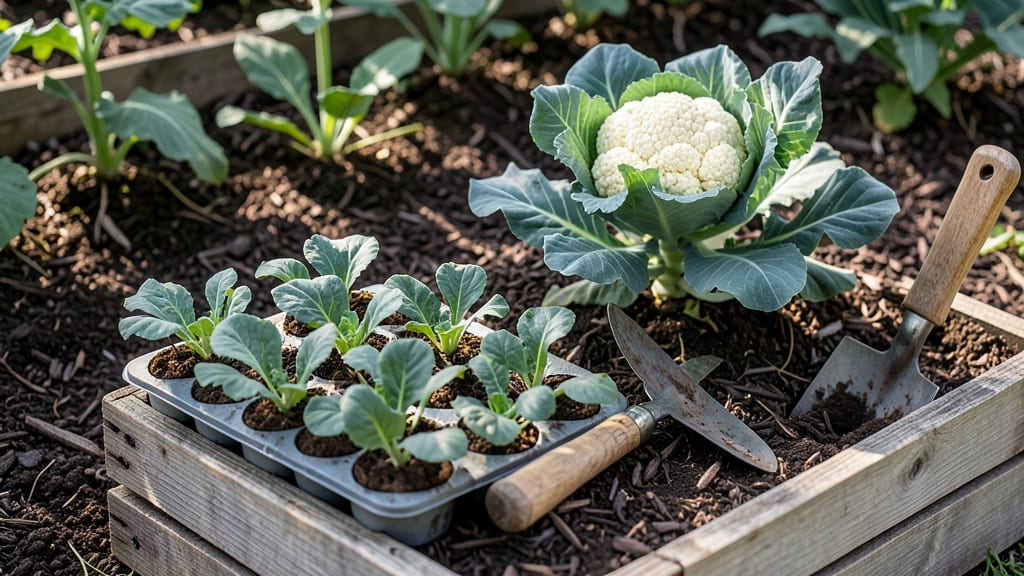
Plant cauliflower in Zone 9b between late October and early December or again in January through February to avoid the brutal summer heat that sends it bolting faster than a jackrabbit.
Growing 🥬 in Zone 9b’s warm climate is tricky—plant too early, and the heat will make it bolt; too late, and you’ll miss the cool season entirely. But timing it right guarantees heads as big as your dinner plate!
Why? Cauliflower thrives in temperatures between 60°F and 75°F, which means summer is a no-go unless you’re using shade cloth. The key is to plant when daytime highs stay below 80°F, giving your plants a fighting chance to mature before the heat arrives.
Below, I’ll break down the exact windows, how to adjust for your microclimate (coastal vs. inland), and the one trick that lets you squeeze in a second harvest if you’re feeling ambitious.
Best planting windows for cauliflower in Zone 9B: avoiding heat stress and bolting
Growing cauliflower in Zone 9B is all about timing—one wrong move, and your plants will either bolt from heat or rot from summer humidity. The key is planting when daytime temperatures stay below 75°F and nights dip near 50°F.
This means two ideal windows: late fall and early winter. Miss these, and you’ll struggle with stunted heads or bitter-tasting curds.
For most of Zone 9B (think Phoenix, Palm Springs, or coastal Southern California), your best planting months are October through early December for a spring harvest, or January through early February for a summer crop.
But these dates shift slightly depending on whether you’re in a coastal microclimate (cooler, delayed planting) or an inland desert (warmer, earlier planting).
Here’s the non-negotiable rule: Never plant cauliflower when soil temperatures exceed 70°F. Use a soil thermometer to check—if it’s warmer, wait or use shade cloth. The 60-75°F soil range is your sweet spot for germination and head formation.
To pinpoint your exact planting dates, calculate your local frost dates—even though Zone 9B rarely sees frost, light freezes can occur in high desert areas.
Check the USDA Plant Hardiness Zone Map for your specific location, then subtract 60 days from your first frost date (or January 1 if no frost). For example, if your last frost is December 15, plant by October 15 for a spring harvest.
Coastal areas like San Diego or Santa Barbara can plant 2-3 weeks later than inland deserts because of marine layer cooling. Inland spots like Phoenix or Palm Springs need to plant earlier to avoid the brutal summer heat.
If you’re unsure, start with transplants instead of seeds—they’re more forgiving and give you a head start.
One game-changer for Zone 9B growers is succession planting. Instead of one big batch, plant every 2 weeks from October through January. This stretches your harvest window and reduces the risk of bolting from sudden heat spikes.
Pair this with bolt-resistant varieties like ‘Snowball Y Improved’ or ‘Purple of Sicily’, which handle heat slightly better than standard types.
Watch for heat stress signs like yellowing leaves or flower stalks shooting up from the center—these mean your cauliflower is bolting. If you see this, harvest immediately or pull the plant.
Prevention is key: mulch heavily with straw to keep roots cool, and water deeply in the morning to avoid evening moisture that fuels fungal issues.
For container growers, use black plastic pots (they absorb heat) and place them in partial shade during peak afternoon sun. Elevate pots to improve drainage, and move them to a shadier spot if temperatures climb above 85°F. Containers dry out faster, so check soil moisture daily during summer.
Remember: Patience is your ally in Zone 9B. Cauliflower needs 70-100 days to mature, so don’t rush the process. If you plant in late January, you’ll likely harvest in late May or June, just as summer heat ramps up.
But with the right timing, you’ll enjoy plump, snow-white heads all season long—no bolting in sight!
How to extend your cauliflower season in Zone 9B: shade cloth, succession planting, and variety selection
Zone 9B’s warm winters and long growing season can be a cauliflower grower’s dream—if you know the tricks. The key to success? Extending your season with shade cloth, succession planting, and bolt-resistant varieties.
Without these strategies, your plants will bolt or struggle in the heat, leaving you with bitter, inedible curds.
Start by choosing heat-tolerant varieties like ‘Snowball Y Improved’, which handles warmer temperatures better than traditional types. Pair this with 30-50% shade cloth during peak afternoon sun (12 PM–4 PM) to keep soil temps under 75°F. This simple step can add 4-6 weeks to your harvest window.
| Method | Best Varieties | Shade Cloth Needs | Planting Window |
|---|---|---|---|
| Fall Planting | ‘Snowball Y Improved’ | 30% cloth (Mar–May) | Late Oct–Early Dec |
| Winter Planting | ‘Purple of Sicily’ | 50% cloth (Jun–Aug) | Jan–Early Feb |
| Succession Plant | ‘Romanesco’ | 40% cloth (year-round) | Every 3 weeks |
For continuous harvests, use succession planting every 3 weeks from October through February. Space plants 18 inches apart in raised beds to improve airflow and reduce heat stress. If you’re short on space, try container growing with 5-gallon pots—just add extra compost to retain moisture.
Monitor soil temps with a soil thermometer—ideal range is 60-75°F. If temps creep above 80°F, your cauliflower will bolt within 10 days. Mulch with straw or wood chips to keep roots cool and moisture consistent.
This is especially critical in inland Zone 9B areas like Phoenix, where summer heat arrives early.
Don’t overlook purple varieties like ‘Purple of Sicily’, which are slightly more heat-tolerant and add visual interest to your garden. These can handle short heat spikes better than white varieties, making them ideal for late-winter plantings in coastal areas where mornings are chilly but afternoons warm up.
With these strategies, you can enjoy homegrown cauliflower year-round in Zone 9B—no more relying on store-bought heads! Start with one method, then layer in others for maximum success. Happy growing! 🌱