
Companion Plants
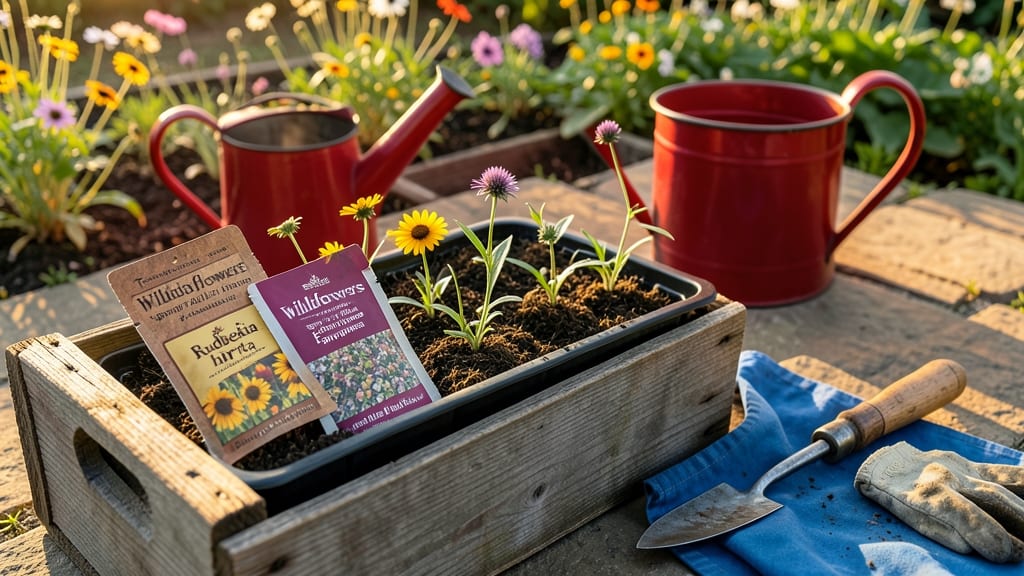
Planting flower seeds in Tennessee at the right time means the difference between a garden bursting with 🌸 coneflowers and black-eyed Susans and one that fizzles out before summer.
Tennessee’s diverse climate—from humid Appalachian valleys to hot Memphis summers—means planting flower seeds at the wrong time can leave you with wilted dreams instead of vibrant blooms. Timing isn’t just about luck; it’s about understanding your USDA zone and the unique microclimates that shape Tennessee’s gardening seasons.
For Zones 6a-7b, the ideal window stretches from late March through May for spring blooms, while fall plantings should happen between August and September. But here’s the catch: East Tennessee’s cooler springs mean you can start earlier, while West Tennessee’s heat arrives faster, demanding a quicker timeline.
Below, I’ll break down the exact weeks to start seeds indoors, when to direct-sow after your last frost, and how to adjust for Tennessee’s unpredictable weather—so you’re planting with confidence, not guesswork.
Tennessee’s USDA zones and best flower seed planting months by region
Tennessee spans USDA Zones 6b through 8a, creating distinct planting windows across its three main regions: East Tennessee (cooler, higher elevations), Middle Tennessee (transitional), and West Tennessee (warmer, longer growing seasons).
These zones dictate when to sow flower seeds for annuals, perennials, and bulbs—with frost-free dates ranging from mid-March in East TN to late February in West TN. Getting the timing right ensures strong root development before summer heat or winter frosts strike.
For most annual flowers, like zinnias and marigolds, the sweet spot is 2-4 weeks after your last frost date. However, perennials (e.g., coneflowers) often thrive when sown in early spring or fall—avoiding the heat stress of mid-summer.
Bulbs, like tulips, need fall planting (October-November) to establish roots before winter dormancy. Let’s break down the best months by region and zone.
In East Tennessee’s cooler zones (6b-7a), gardeners should wait until April 15–May 15 for direct sowing, as earlier plantings risk late spring frosts. Black-eyed Susans and coneflowers thrive here, while snapdragons benefit from fall sowing in September.
The last frost date often lands in mid-March, but mountain valleys can see frost as late as April 15—always check local records!
Middle Tennessee’s Zone 7a/b offers a longer window, with March 20–April 30 ideal for annuals like petunias and zinnias. Fall planting extends into late September, giving heat-sensitive varieties (e.g., coreopsis) time to establish before winter.
Nashville’s transitional climate means gardeners can experiment with staggered plantings—sow a few seeds every 2 weeks to prolong blooms.
West Tennessee’s Zone 7b-8a (e.g., Memphis, Chattanooga) allows earlier spring sowing, starting as early as February 20 for heat-loving flowers like sunflowers and marigolds. Fall planting can begin in mid-July, but avoid sowing after August 15 to prevent bolting.
The longer growing season here supports tropical-inspired blooms like salvia and gaillardia, which thrive in the heat.
For bulbs and perennials, fall is critical—plant tulips and daffodils in October–November across all regions. These need 6–8 weeks of cool soil to root before winter.
In Zone 8a, some bulbs (e.g., crocuses) can even handle late fall planting (November), but Zone 6b gardeners should aim for early October to avoid winter heaving
Top 5 flowers to plant in Tennessee by season (with exact timing)
Tennessee’s gardening seasons reward precision timing, especially when planting flower seeds. The right variety in the right month means blooms that last from spring through fall—without wilting before summer’s peak.
I’ve selected five high-performing flowers that thrive across Tennessee’s USDA Zones 6-8, with exact planting windows tailored to your region’s microclimate.
For Zone 6 gardeners in East Tennessee, cooler springs allow earlier starts, while Zone 8 areas in West Tennessee demand faster action to beat the heat. Below, I’ll share my top picks—from heat-tolerant zinnias to cold-hardy black-eyed Susans
🌱 Key Insight: All planting dates assume your last frost date (March 15 for East TN, April 1 for Middle TN, and April 15 for West TN). Adjust 2-4 weeks earlier if you’re in a cooler microclimate. 💡 Pro Tip: For fall blooms, sow cosmos or marigolds in August—they thrive in Tennessee’s mild autumns. Zinnias top my list for Tennessee gardens because they’re heat-tolerant and drought-resistant, making them perfect for West Tennessee’s sweltering summers. Start them indoors in early March (Zone 6) or April (Zone 8) to give them a head start. Once your last frost passes, transplant seedlings outdoors in well-draining soil with 6+ hours of sun daily. Black-eyed Susans, a Tennessee native, are my go-to perennial for low-maintenance color. Their seeds need cool soil temperatures to germinate, so aim for March-April plantings. These hardy bloomers will return year after year, rewarding your patience with golden-yellow flowers from July through September. Petunias bring vibrant color to Tennessee’s summer containers and borders, but they’re frost-sensitive. To extend their season, start seeds indoors in late February (Zone 6) or March (Zone 8). After the last frost, harden off seedlings and plant them in partial shade to prevent wilting during afternoon heat. For a longer bloom season, pair coreopsis with zinnias. Coreopsis thrives in dry, rocky soil and blooms from May through July. Deadhead spent blooms to encourage continuous flowering—this simple task can extend their season by 4-6 weeks. Coneflowers are Tennessee’s pollinator powerhouses, attracting bees and butterflies while adding purple-pink blooms from June through October. Sow seeds indoors in late winter or direct-sow in early spring. Their deep roots make them drought-tolerant, perfect for Tennessee’s unpredictable rainfall.🌸 When to Plant Flower Seeds in Tennessee