
Flowers
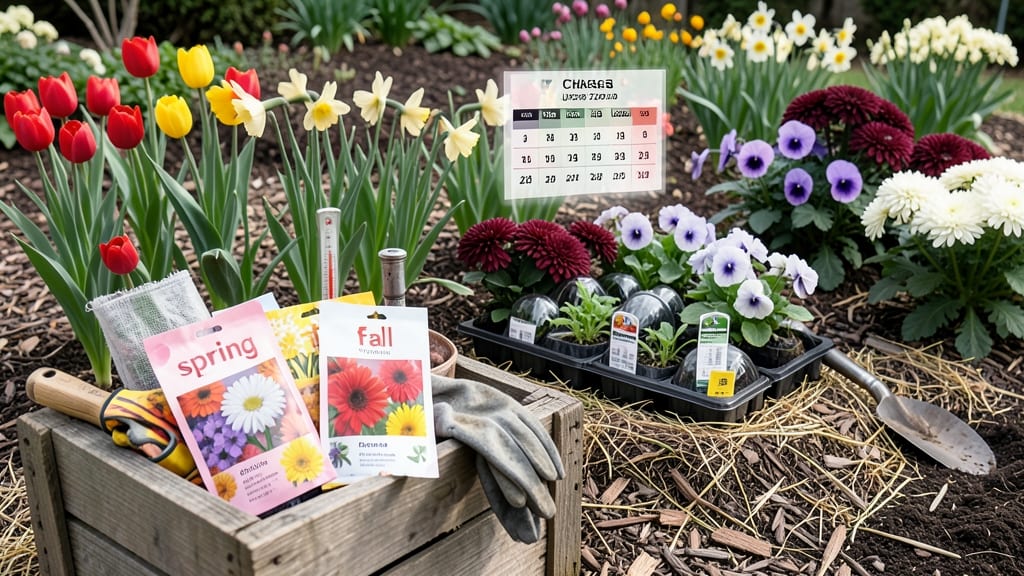
To plant flowers in Chicago, time your spring and fall plantings between March 15 and May 15 for best results 🌸 — missing this window risks late frosts ruining your hard work.
Chicago’s unpredictable frost dates and hot summers can turn even the most eager gardener’s dream into a disaster if you don’t plan carefully. The last frost typically hits around April 15, but it’s not uncommon for late surprises, so knowing the exact planting calendar is key.
Whether you’re a beginner or a seasoned gardener, choosing the right flowers for USDA Zone 5b makes all the difference. Native perennials like coneflowers and black-eyed Susans thrive here, while annuals like marigolds and petunias need precise timing to beat the heat.
Below, I’ll break down the best months to plant, how to adjust for Chicago’s microclimates, and the top 10 cold-hardy flowers that guarantee stunning blooms—no matter what Mother Nature throws your way.
Chicago flower planting calendar by season: exact months for annuals, perennials, and bulbs
Chicago’s USDA Zone 5b climate demands precision when planting flowers. The average last frost date is April 15, but late frosts can linger until May 10, especially on the North Side. Meanwhile, the South Side often warms up 1-2 weeks earlier due to urban heat islands.
Timing is everything—plant too early, and frost will kill tender seedlings; too late, and summer heat may stress plants before they establish.
This calendar breaks down the ideal planting windows for annuals, perennials, and bulbs, accounting for Chicago’s 165 frost-free days and regional microclimates. Whether you’re sowing seeds indoors, transplanting seedlings, or tucking in bulbs, these guidelines will help you maximize blooms from spring through fall.
For spring planting, I recommend starting with hardy perennials like coneflowers and cool-season annuals such as snapdragons. These thrive in Chicago’s April-May temperatures and tolerate light frosts. If you’re sowing seeds indoors, begin 4-6 weeks before the last frost date—typically mid-March—to give seedlings a head start.
Chicago’s South Side often experiences earlier springs due to urban heat. If you live in areas like Bridgeport or Pullman, you can safely plant tender annuals like petunias 1-2 weeks earlier than the North Side.
However, always monitor local frost forecasts—the North Side (e.g., Edgewater) can still see frost until May 10.
When planting bulbs in fall, aim to
Top 10 flowers that thrive in Chicago’s USDA Zone 5b (with planting tips)
Chicago’s USDA Zone 5b climate demands flowers that can handle late frosts and hot summers. These 10 top performers—a mix of perennials, annuals, and bulbs—are proven winners in my garden and those of fellow Chicago gardeners.
They’re drought-tolerant, pest-resistant, and low-maintenance, making them perfect for busy gardeners.
From native wildflowers to classic cottage garden favorites, this list covers spring, summer, and fall bloomers. Each variety includes planting depth, spacing, and care tips tailored to Chicago’s soil and weather quirks. Let’s dive into the best flowers for your Windy City garden!
🌱 When to Plant Flowers in Chicago
- Spring Bulbs (Tulips, Daffodils): Plant in October-November for spring blooms (April-May).
- Perennials (Coneflowers, Black-Eyed Susans): Plant in April-May after last frost (April 15).
- Annuals (Marigolds, Petunias): Start indoors March 1-April 15 or sow directly May 1-June 1.
- Fall Planting (Pansies, Calendula): Sow August 15-September 15 for fall-winter color.
- Hardy Perennials (Daylilies, Lavender): Can be planted late summer (August) for established roots.
Let’s start with cone flowers (Echinacea), a Chicago-native perennial that’s drought-resistant and attracts pollinators. Plant Echinacea purpurea in full sun after the last frost, spacing 18-24 inches apart. Dig holes twice as wide as the root ball but only as deep—this prevents root rot.
Water deeply after planting, then mulch with 2-3 inches of organic matter to retain moisture.
Next, black-eyed Susans (Rudbeckia hirta) bring golden-yellow blooms from summer to fall and thrive in poor soil. Plant these sun-lovers in April-May, spacing 12-18 inches apart. Deadhead spent blooms to encourage continuous flowering, but leave some seed heads for winter interest and wildlife.
They’re low-maintenance but benefit from a light spring feeding with 10-10-10 fertilizer.
For spring color, daffodils (Narcissus) are a must-have. Plant bulbs in October at a depth of 6 inches, spacing 4-6 inches apart. Choose well-draining soil to prevent rot, and avoid planting in shady spots—they need full sun for best blooms.
Daffodils are deer-resistant, making them ideal for Chicago suburbs.
Marigolds (Tagetes) are annual powerhouses that repel pests like aphids and nematodes. Sow seeds directly after the last frost (May 1) or start indoors 4-6 weeks earlier. Space 8-12 inches apart in full sun, and pinch back tips to encourage bushier growth. They’re heat-tolerant, perfect for Chicago’s summers.
Don’t overlook lavender (Lavandula), a fragrant perennial that thrives in dry, well-drained soil. Plant in April-May, spacing 18-24 inches apart. Avoid overwatering—lavender hates soggy roots.
Prune lightly after flowering to maintain shape, and harvest stems for dried bouquets. This mediterranean native adds texture and scent to any garden.
For fall interest, asters (Symphyotrichum) bloom in September-October with vibrant purple, pink, or white flowers. Plant in April-May or early fall, spacing 12-18 inches apart in partial shade.
They’re low-maintenance but appreciate moist, fertile soil. Cut back dead foliage in spring to make room for new growth.
Finally, pansies (Viola) bring early spring and late fall color. Sow seeds August 15-September 15 for fall blooms or March-April for spring. Space 6-8 inches apart in partial shade, and deadhead spent blooms to prolong flowering.
Pansies are edible and child-friendly, making them a great addition to family gardens.
These 10 flowers ensure your Chicago garden stays colorful year-round, from spring bulbs to fall asters.