
Flowers
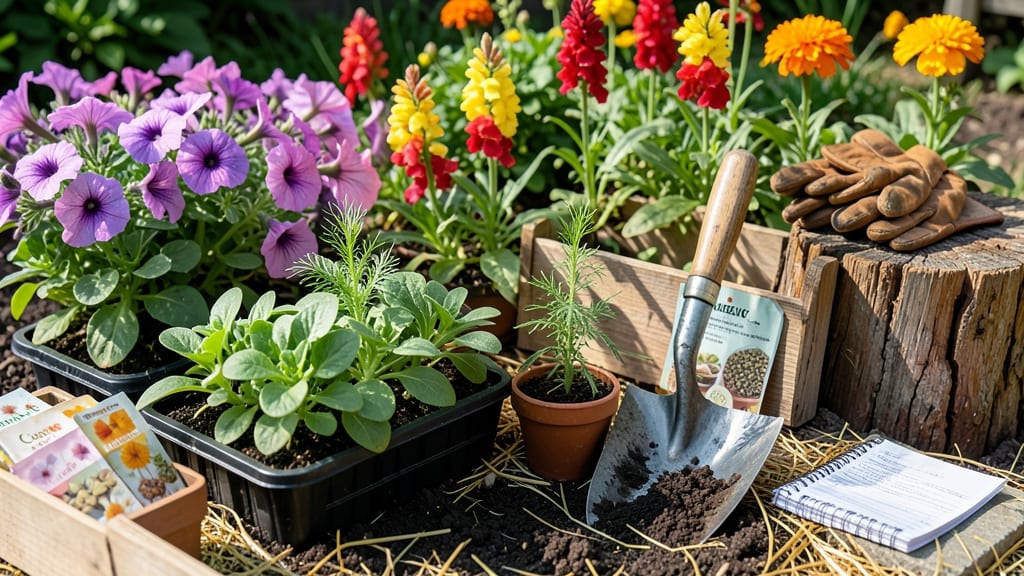
To plant flowers in Idaho at the perfect time means timing your blooms with the last frost—a window that shifts from mid-April in the Treasure Valley to late May in the Panhandle.
Idaho’s diverse microclimates—from high deserts to mountain valleys—can make flower planting timing feel like a guessing game. Get it wrong, and your blooms may wilt before they even open; get it right, and you’ll enjoy vibrant gardens all season long.
Whether you’re growing drought-resistant lavender in Boise or cold-hardy daffodils in Coeur d’Alene, knowing the frost-free days and soil temperatures is the key. Below, I break down the best planting months for your region, plus pro tips to extend your blooms.
You’ll learn how to read your local frost dates, choose the right flowers for your zone, and avoid common mistakes that leave Idaho gardens looking half-empty. Let’s get those 🌸 thriving!
Idaho flower planting calendar by region: when to start seeds vs transplants
Idaho’s four distinct gardening regions create unique planting challenges, from the cool mountain valleys of the Panhandle to the hot desert summers of Treasure Valley. Understanding your USDA Zone (4-7) and last frost dates is key to timing flower plantings perfectly.
Whether you’re growing hardy perennials or heat-loving annuals, knowing when to start seeds indoors vs. transplanting outdoors makes all the difference.
In Zone 4 (Northern Panhandle), gardeners face late spring frosts until mid-May, while Zone 7 (Treasure Valley) can plant warm-season flowers as early as late March. The Magic Valley’s high desert requires extra attention to watering schedules, and Inland Northwest’s variable weather demands flexibility.
Let’s break down the ideal planting windows for each region, including when to start seeds indoors and when to transplant.
| Region | USDA Zone | Last Frost Date | Start Seeds Indoors | Transplant Outdoors | Direct Sow Outdoors |
|---|---|---|---|---|---|
| Northern Panhandle | 4-5 | Mid-May | Mid-March (cool crops) | Late May (after frost) | Early June (warm crops) |
| Inland Northwest | 5-6 | Early May | Late February (tender plants) | Mid-May | Late May (after frost) |
| Magic Valley | 6-7 | Late April | Early March (heat-tolerant) | Late March (cool crops) | April (direct sow) |
| Treasure Valley | 7 | Late April | February (start early) | Late March (warm crops) | March-April (direct sow) |
For cool-season flowers like pansies or snapdragons, start seeds indoors 6-8 weeks before your region’s last frost date.
In the Northern Panhandle (Zone 4), this means mid-March for early blooms. Warm-season favorites like marigolds or zinnias should wait until after your last frost—typically late May in cooler zones and April in Treasure Valley.
In Magic Valley and Treasure Valley, where summers are hot and dry, prioritize drought-resistant flowers like lavender or coneflowers. These thrive when planted in early spring (March-April) to establish roots before July heat.
For perennials like peonies or daylilies, transplant in early fall (September) to give roots time to settle before winter. This timing ensures stronger blooms next spring.
One critical mistake Idaho gardeners make is planting tender annuals too early. Petunias and geraniums won’t survive late frosts in Zone 4, so wait until after Mother’s Day (around May 10) to transplant.
Use row covers if you’re impatient—just remove them when nighttime temps stay above 50°F. For high-altitude gardens (above 4,000 ft), add 2-3 weeks to these timelines due to cooler microclimates.
Fall planting is another game-changer for Idaho gardens. Bulbs like tulips and daffodils should go into the ground by mid-October in all regions, while fall-blooming perennials like asters or chrysanthemums can be transplanted in late August to early September.
The soil stays warm enough for root growth, and cooler temps reduce water needs. Just avoid planting when soil temps drop below 50°F.
Best flowers to plant in Idaho by season: cool-weather vs heat-tolerant varieties
Idaho’s cool springs and hot, dry summers demand smart flower choices. Cold-hardy varieties like tulips thrive in Zone 4-5 areas, while heat-tolerant annuals like zinnias excel in southern Idaho’s Zone 6-7 summers. Matching flowers to seasons ensures vibrant blooms from spring through fall.
For spring planting, focus on cool-season flowers that handle Idaho’s late frosts. Fall-blooming varieties like chrysanthemums also perform well when planted in early September. Meanwhile, summer heat lovers need deep watering to survive Idaho’s low humidity and intense sun.
Here’s my curated list of top-performing flowers for Idaho’s three distinct seasons, including planting tips and care essentials:
🌱 Spring (March–May)
- 🌷 Tulips & Daffodils: Plant bulbs in fall (Oct) for early spring blooms; thrive in Zone 4-7.
- 🌼 Lungwort & Bleeding Heart: Partial shade lovers; plant in early spring after frost.
- 🌸 Sweet Peas: Start seeds indoors in March; transplant after last frost for fragrant climbers.
☀️ Summer (June–August)
- 🌻 Zinnias & Sunflowers: Drought-tolerant annuals; sow seeds after May 15 for heat-loving blooms.
- 💧 Lavender: Full sun and well-drained soil essential; plant in spring or fall.
- 🌺 Coneflowers: Native perennials; plant in spring for long-lasting summer color.
🍂 Fall (September–October)
- 🌼 Chrysanthemums: Plant 6–8 weeks before first frost for fall blooms; Zone 5-7 hardy.
- 🌿 Asters: Late-season bloomers; sow seeds in early summer or transplant in fall.
- 🌱 Calendula: Edging flowers; sow in late summer for winter protection.
In northern Idaho’s cooler zones, prioritize perennials like peonies or hardy geraniums for low-maintenance color. Southern Idaho’s high desert benefits from drought-resistant succulents like sedum or blanket flower, which thrive with minimal water.
For extended blooms, layer spring bulbs with summer annuals and fall perennials. Mulch heavily in winter to protect roots from freeze-thaw cycles. With the right mix, your Idaho garden can burst with color year-round!