
Flowers
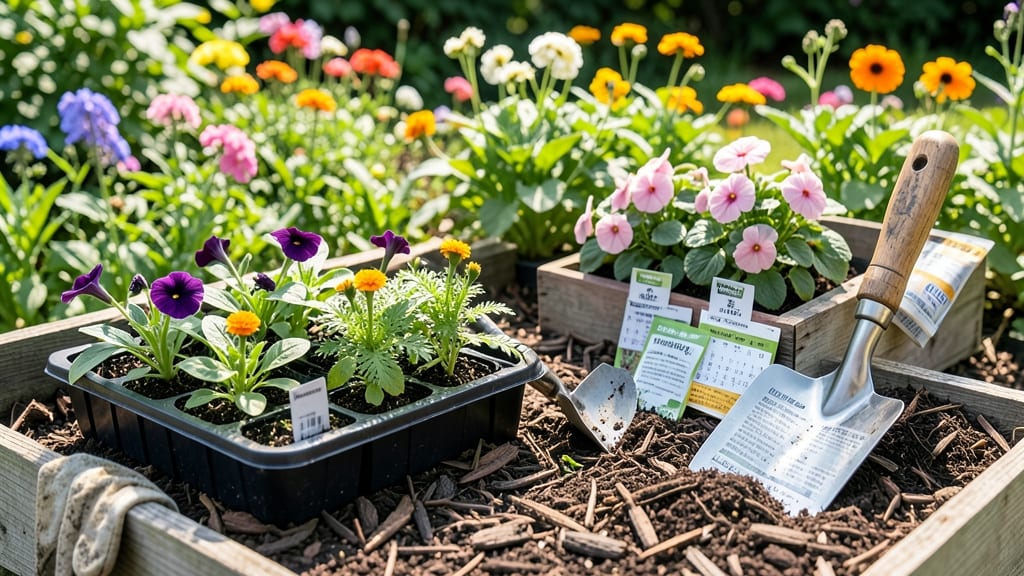
Planting flowers in Indiana at the right time means the difference between a garden bursting with color and one that struggles to take hold.
Indiana’s unpredictable spring weather can turn even the most eager gardener into a guessing game player—but timing your flower planting just right ensures vibrant blooms all season long.
With USDA Zone 6a’s last frost typically around April 15, most annuals and tender perennials should wait until after that date, while hardy bulbs like tulips and daffodils can go in as early as March.
Below, I break down the exact planting windows for spring and fall, plus how to adjust for Indiana’s regional microclimates so your 🌸 garden thrives from the first bloom to the last.
Indiana flower planting calendar by Zone 5-6 month
Indiana’s Zone 5-6 climate means we get a short but sweet growing season—about 165 frost-free days—so timing is everything. The average last frost date is around April 15, but northern Indiana can see frost as late as May 1.
Southern Indiana often warms up earlier, giving gardeners a 2-week head start. Planning ahead ensures your annuals, perennials, and bulbs thrive without risking early frosts or late-season wilting.
I’ve broken down the month-by-month planting schedule based on Indiana’s two distinct planting seasons: spring (for most flowers) and fall (for bulbs and hardy perennials).
Whether you’re a beginner gardener or a seasoned pro, this calendar helps you avoid common mistakes like planting tender annuals too early or missing the ideal bulb-planting window in fall.
| Month | Plant Type | Ideal Planting Time | Notes |
|---|---|---|---|
| February | Bulbs (tulips, daffodils) | Early February (6–8 weeks before last frost) | Plant in well-draining soil; mulch after planting. |
| March | Perennials (coneflowers, black-eyed Susans) | Mid-March (after soil thaws) | Hardy perennials tolerate light frost; start seeds indoors. |
| April | Annuals (petunias, marigolds) | After April 15 (last frost date) | Wait until nighttime temps stay above 50°F. |
| May | Vegetative starts (geraniums, impatiens) | Mid-May (soil at 55°F+) | Transplant hardened-off seedlings for best results. |
| September | Fall bulbs (crocuses, hyacinths) | Early September (6 weeks before first frost) | Plant in cool soil for root establishment. |
| October | Perennials (mums, asters) | Early October (before October 15 frost) | Choose cold-hardy varieties for winter survival. |
March is the sweet spot for planting hardy perennials like coneflowers and daylilies. These plants establish roots early and bloom reliably for years. I always start mine in late March once the soil is workable—usually when crocuses pop up in the lawn.
For annuals like petunias and marigolds, wait until after April 15 to avoid frost damage. If you’re in northern Indiana, push planting back to mid-May for safety.
For bulb lovers, February is the time to plant tulips and daffodils. These cold-hardy beauties need 6–8 weeks in the ground before the last frost to bloom spectacularly. I’ve learned the hard way that planting bulbs too late means weak stems or no flowers at all!
Use a bulb planter or trowel to dig holes 6 inches deep and space them 4–6 inches apart.
Fall planting in September–October is perfect for perennials like mums and asters. These plants establish roots in cool soil and bloom earlier the next spring. I always aim to get them in the ground by early October—just before the first frost.
For spring-blooming bulbs, like crocuses and hyacinths, September is ideal. They’ll spend winter in the ground and surprise you with early spring blooms.
Adjust your schedule if you’re in southern Indiana, where last frosts can happen 2 weeks earlier. Gardeners in Evansville or Louisville might safely plant annuals in early April, while those in Gary or Fort Wayne should wait until mid-May.
Always check the National Weather Service for local frost predictions—it’s a game-changer for tender plants like begonias or impatiens.
Pro tip: Use row covers or cold frames to extend your planting season. I’ve successfully grown pansies and snapdragons in late March by covering them at night. Just remove the covers once daytime temps stay above 60°F to avoid overheating.
For bulbs planted in fall, add a 2-inch layer of mulch after the ground freezes to protect them from wild temperature swings.
Don’t forget to test your soil before planting—Indiana’s soil is often clay-heavy and low in organic matter. Amend with compost or peat moss to improve drainage and fertility. I mix in a 2-inch layer of compost into the top 6 inches of soil before planting anything.
This ensures your flowers get the nutrients they need without competing with weeds.
If you’re new to gardening, start with easy-to-grow annuals like
Best flowers to plant in Indiana’s spring vs. fall
Indiana’s USDA Zone 5-6 climate means we can grow stunning flowers year-round—but timing matters! Spring-bloomers like tulips and daffodils need cool soil, while fall-planted perennials establish roots before winter. Let’s break down the best options for each season to maximize your garden’s color and hardiness.
Spring planting focuses on bulbs and cool-season annuals that thrive before summer heat arrives. Tulips and hyacinths should go in the ground 6-8 weeks before last frost (typically early March), while petunias and marigolds wait until after April 15 when frost risk fades.
Fall planting, however, is all about perennials like mums and asters that need time to root before winter.
🌱 Spring Planting vs. Fall Planting for Indiana Gardens
For spring planting, prioritize tulips and daffodils—they’re Indiana’s most reliable early bloomers.
Plant bulbs in well-draining soil at a depth of 6–8 inches, with the pointy end up. Petunias and marigolds can go in after the last frost, but wait until soil warms to 60°F for best germination.
These summer favorites thrive in full sun and add vibrant pops of color from June through frost.
Fall planting is your secret weapon for next-year blooms. Mums and asters planted in September–October will reward you with bold fall colors and early spring growth.
Aim for 6–8 weeks before first frost (around October 15) to give roots time to establish. Daylilies and coneflowers also excel when planted in fall, as they tolerate Indiana’s winter chill beautifully.
Pro tip: Use mulch after fall planting to insulate roots. A 3-inch layer of straw or shredded leaves protects perennials from freeze-thaw cycles and retains moisture. This simple step can mean the difference between wilted blooms and lush, healthy plants next season.
Remember, Indiana’s microclimates vary—northern areas (like Zone 5) may need to wait a week longer than southern regions (like Zone 6). Always check your local frost dates and adjust accordingly. With the right timing, your garden will burst with color from spring tulips to fall asters!