
Plants
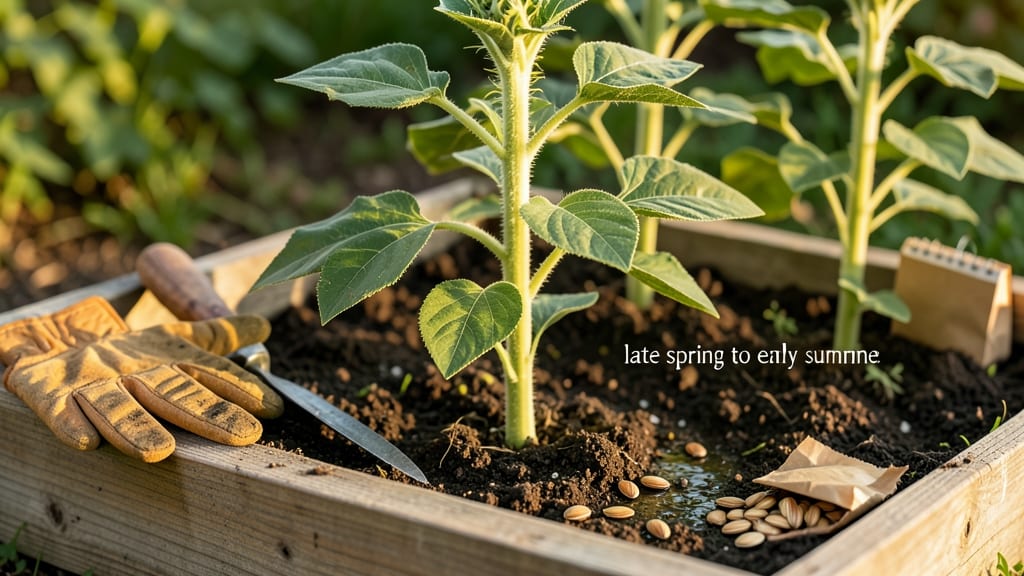
Planting sunflower seeds in Ohio between mid-April and early June unlocks their full towering potential 🌻—when soil warms to 50°F and frost threats fade.
Ohio’s unpredictable spring weather can make sunflower planting a guessing game—plant too early, and frost strikes; too late, and your towering blooms miss peak summer sunlight. But timing isn’t just about avoiding cold snaps; it’s about unlocking sunflowers that reach their full genetic potential (some varieties hit 12+ feet!).
Here’s the science-backed Ohio planting schedule to maximize height, resilience, and bloom time in USDA Zones 5-6. Whether you’re growing Mammoth giants or Teddy Bear dwarfs, we’ll break down the best windows, soil prep, and backup plans for Ohio’s variable climate.
You’ll learn how to calculate your true last frost date (not just the USDA average), adjust for microclimates, and even use row covers to extend your season. By the end, you’ll know exactly when to plant for sunflowers that thrive—not just survive.
Ohio sunflower planting dates by variety: when to sow for maximum height
Ohio gardeners know timing is everything when growing sunflowers—especially for varieties like Mammoth or Russian Giant that can reach 12+ feet. The key lies in balancing soil temperature thresholds (minimum 50°F) with your region’s frost-free dates, which vary between North and South Ohio.
Plant too early, and frost will nip tender seedlings; too late, and your sunflowers may never reach their full height potential.
Your last frost date in Ohio typically falls between April 15 (south) and May 1 (north), but microclimates—like urban heat islands or sheltered valleys—can shift this window by 1-2 weeks.
For giant varieties, aim to sow seeds 2-3 weeks after your last frost date, while dwarf varieties like Teddy Bear are more forgiving and can tolerate slightly earlier planting.
Here’s the comparison table breaking down optimal planting windows by variety, including trade-offs like height gain vs. disease risk when planting early or late:
For giant sunflowers, the 2-3 week window after last frost is critical. These varieties need long, uninterrupted sunlight to reach their maximum height, so planting too late in May or early June can result in stalks under 8 feet.
Meanwhile, dwarf varieties like Teddy Bear are more flexible—they can even handle a late June planting and still bloom by fall.
Ohio’s humidity and summer heat also play a role. Planting Russian Giant varieties too early (before May 1) risks powdery mildew due to prolonged moisture on leaves. Conversely, late plantings may not receive enough daylight hours to trigger flowering, leaving you with skinny stalks and minimal blooms.
The ideal balance is planting when soil is consistently 50°F+ and nights are above 45°F.
Pro tip: Use a soil thermometer to confirm readiness—sunflowers won’t germinate well in cold, wet soil. If your soil is still chilly, consider staggered planting: sow a few seeds every 7-10 days to extend your harvest window. This works especially well for ProCut varieties, which are
How to adjust planting timing for Ohio’s unpredictable weather: frost zones, microclimates, and backup plans
Ohio’s late spring frosts can turn your sunflower dreams into a frozen disappointment. While the USDA suggests planting after April 15 for Zone 5-6, real-world Ohio gardeners know that date is just a starting point.
Microclimates—like urban heat islands or sheltered valleys—can shift your true last frost date by weeks. I’ve learned to play it smart by combining local weather data with flexible strategies to protect tender seedlings.
Start by checking your local frost records (not just averages) through tools like the Midwestern Regional Climate Center. For example, Toledo’s last frost often arrives 2 weeks later than Columbus’.
Use this data to adjust your planting timeline—if your area averages frosts until May 1, wait until mid-May for giant varieties like Russian Giant to ensure they reach their 12-foot potential without frost damage.
Here’s my step-by-step guide to hedging your bets against Ohio’s weather whims:
Calculate your true last frost date by averaging the last 5 years of local records. Add 2 weeks as a buffer for safety.
Use row covers or mini hoop tunnels to extend your planting window by 3-4 weeks. These create a 5°F warmer microclimate—perfect for early sowings.
Try staggered planting: Sow half your seeds at your calculated safe date, then plant the rest 2 weeks later. This ensures blooms over 6-8 weeks, maximizing your harvest window.
For urban gardeners, use 5-gallon containers with fast-draining mix. Move pots to protected porches at night if frost threatens, then return them to full sun by day.
Monitor soil temperature with a soil thermometer. Sunflowers germinate best at 50°F+. If your soil stays below this, wait or use a seedling heat mat for 10-14 days to jumpstart growth.
Don’t overlook microclimates in your yard. A south-facing slope warms up faster than a north-facing corner, potentially letting you plant 3 weeks earlier in those spots.
I once grew Teddy Bear sunflowers in a raised bed near my patio—they bloomed 2 weeks ahead of my in-ground plants because the brick wall absorbed and radiated heat.
If all else fails, embrace summer planting. Sow seeds in early June for a second crop—these sunflowers will mature just in time for fall harvests and avoid early-season pests.
Just be prepared for shorter stalks (6-8 feet vs. 10+ feet) since the growing season is truncated. The trade-off? Zero frost risk and pest-free blooms.
Pro tip: Keep a gardening journal to track your local frost dates and sunflower progress. Over time, you’ll spot patterns—like how rainy springs delay germination or how dry summers stunt growth.
Last year, my Mammoth sunflowers hit 14 feet because I planted after Memorial Day when the soil finally warmed to 60°F. The lesson? Flexibility beats rigid rules in Ohio’s garden.