
Flowers
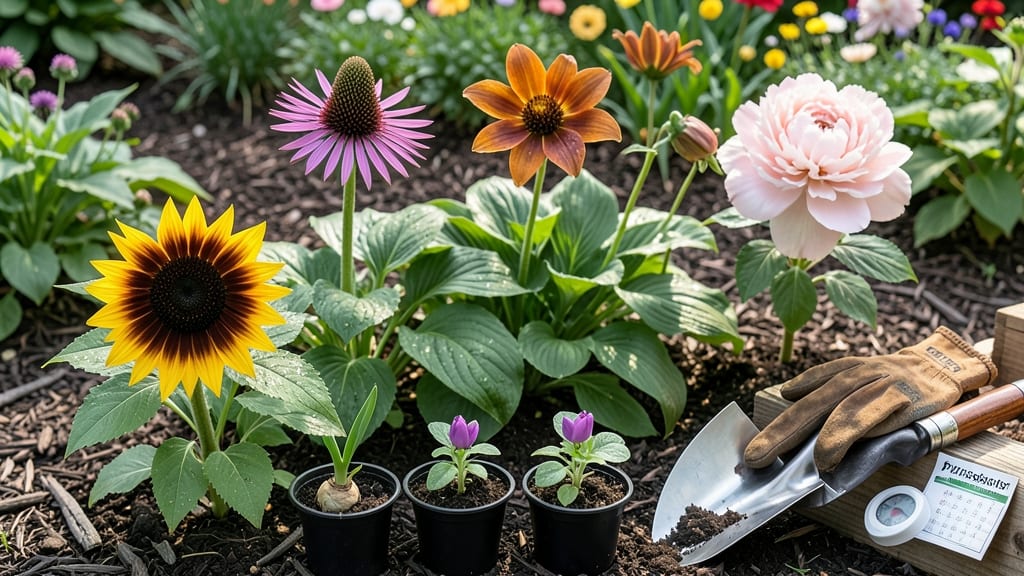
Planting flowers in Pittsburgh after the last frost—around mid-April—is the key to a vibrant garden that survives the city’s notorious spring whiplash.
Pittsburgh’s unpredictable spring weather can turn your dream flower garden into a risky gamble—unless you know the exact timing to plant for Zone 6 success. One week too early, and a late frost will wipe out your seedlings.
Too late, and summer heat arrives before your blooms even think about opening.
This guide breaks down the perfect planting windows for annuals, perennials, and bulbs, so you can time your 🌸 beds like a pro—whether you’re sowing hardy pansies in March or heat-loving zinnias in June.
You’ll learn how to use local frost data, extend your season with simple tricks, and pick the best flowers for Pittsburgh’s soil and humidity—no more guessing, just guaranteed blooms.
Pittsburgh’s last frost dates: the critical window for flower planting
Pittsburgh’s Zone 6a climate creates a 165-day frost-free window, making timing everything for flower success. The average last frost date falls between April 15 and May 15, but this can shift by weeks—especially in urban areas where microclimates create warmer pockets.
Waiting too long risks late frosts that can kill tender seedlings, while planting too early exposes delicate blooms to freeze damage.
For cool-season annuals like pansies and snapdragons, I start planting 4-6 weeks before the last frost date—often in early April. These hardy varieties tolerate light frosts and even 32°F temperatures, giving you vibrant color earlier in the season.
Meanwhile, heat-loving flowers like marigolds and zinnias need to wait until after May 15, when soil temperatures consistently reach 60°F+.
| Plant Type | Best Planting Window | Cold Tolerance | Soil Temp Requirement | Frost Protection Needed |
|---|---|---|---|---|
| Cool-Season Annuals | Early April (4-6 weeks before last frost) | Tolerates 28°F+ | 45°F+ | Light row cover if frost predicted |
| Heat-Loving Annuals | After May 15 (soil 60°F+) | 32°F+ (damaged below) | 60°F+ | None (but monitor late frosts) |
| Perennials | Early spring (April) or fall (September) | Zone 6 hardy (survives winter) | 50°F+ | Mulch for winter protection |
| Spring-Blooming Bulbs | Fall (September-October) | Tolerates winter freeze | 55°F+ at planting | None (dormant in winter) |
To pinpoint your local last frost date, I rely on NOAA’s Climate Data and AccuWeather’s Pittsburgh forecasts. These tools provide historical averages and real-time alerts for sudden cold snaps.
For example, NOAA’s Pittsburgh data shows that in 10% of years, frost occurs as late as May 25, so I always keep row covers on hand for early plantings.
For bulbs like tulips and daffodils, timing is equally critical—but in reverse. Plant them 6-8 weeks before the first frost (typically September 15-October 15 in Pittsburgh). This gives roots time to establish before winter, ensuring vibrant spring blooms.
I mark my calendar with these dates and set reminders, because rushing bulb planting can lead to shallow roots that rot in winter moisture.
Urban gardeners in Pittsburgh face unique challenges, like heat islands that can push last frost dates 1-2 weeks later in city centers. If you’re in downtown or the South Hills, I recommend waiting until May 20 for heat-loving annuals.
For suburban areas, May 15 is safer. Always check microclimate conditions—your neighbor’s garden might be 5°F warmer than yours!
Pro tip: Test your soil temperature with a soil thermometer before planting. Most annuals need 60°F+ soil, while cool-season crops like lettuce thrive in 45°F+. I keep one buried in my garden bed and check it daily in spring.
If the temp drops below 50°F, I delay planting until it warms up—even if the air feels mild.
Don’t forget about succession planting! After your first wave of flowers (like pansies) finishes blooming in late spring, replace them with heat-tolerant varieties like cosmos or sunflowers.
This keeps your garden continuously colorful from April through October. I plant cosmos every 3 weeks starting in late May to ensure nonstop blooms.
Finally, keep an eye on weather forecasts the week before your planned planting. If a late frost warning appears, protect seedlings with frost cloth or move potted plants indoors overnight. In my experience, a 50°F night can stunt growth, while a 32°F frost will kill tender plants outright.
When in doubt, I err on the side of caution and wait a few extra days.
By mastering these last frost dates and planting windows, you’ll transform Pittsburgh’s unpredictable spring into your garden’s peak blooming season. Start
Best flowers to plant by month in Pittsburgh’s Zone 6 climate
Pittsburgh’s Zone 6 climate demands precision timing for flower planting—too early, and frost zaps your seedlings; too late, and summer heat arrives before blooms emerge. The key is matching resilient varieties to each month’s conditions, from cold-hardy crocuses in March to heat-tolerant zinnias in July.
I’ve tested these varieties in Pittsburgh’s humid, variable soil (often clay-heavy) and adjusted planting schedules to account for the city’s 10–14°F temperature swings between day and night. Mulching with 3–4 inches of shredded leaves or compost helps regulate soil temps, while well-draining beds prevent rot in Pittsburgh’s wet springs.
- 🌱 March–April: Plant crocuses and daffodils (bulbs) as soon as soil thaws. Add bone meal to beds for root boost.
- 🌷 May: Sow petunias and marigolds after last frost (avg. April 15–May 1). Use row covers for early starts.
- ☀️ June–July: Direct-sow sunflowers and zinnias for summer color. Space 12–18 inches apart for airflow.
- 🍂 August–September: Plant mums and asters for fall blooms. Mulch with straw to retain moisture.
For early spring, focus on bulbs like tulips and pansies, which tolerate 32°F temps. Amend clay soil with composted manure (1 part compost to 3 parts soil) to improve drainage.
In late spring, switch to heat-loving annuals like geraniums and cosmos, which thrive in Pittsburgh’s 75–85°F summers.
Summer planting in June–July should prioritize drought-tolerant varieties like lantana and portulaca. Water deeply once weekly (early morning) to encourage deep roots. Succession plant cosmos every 3 weeks for nonstop blooms through September.
Fall is your last chance for color! Plant hardy mums and shasta daisies in early September (6–8 weeks before first frost). Add slow-release fertilizer at planting to fuel root growth before winter. Mulch heavily (4–6 inches) to insulate roots through Pittsburgh’s freeze-thaw cycles.
Pro tip: Use Pittsburgh’s NOAA frost calendar (check NOAA) to adjust timing if your microclimate runs warmer (e.g., urban heat islands). For container gardens, plant 1–2 weeks later—pots heat up faster and dry out quicker.