
Plants
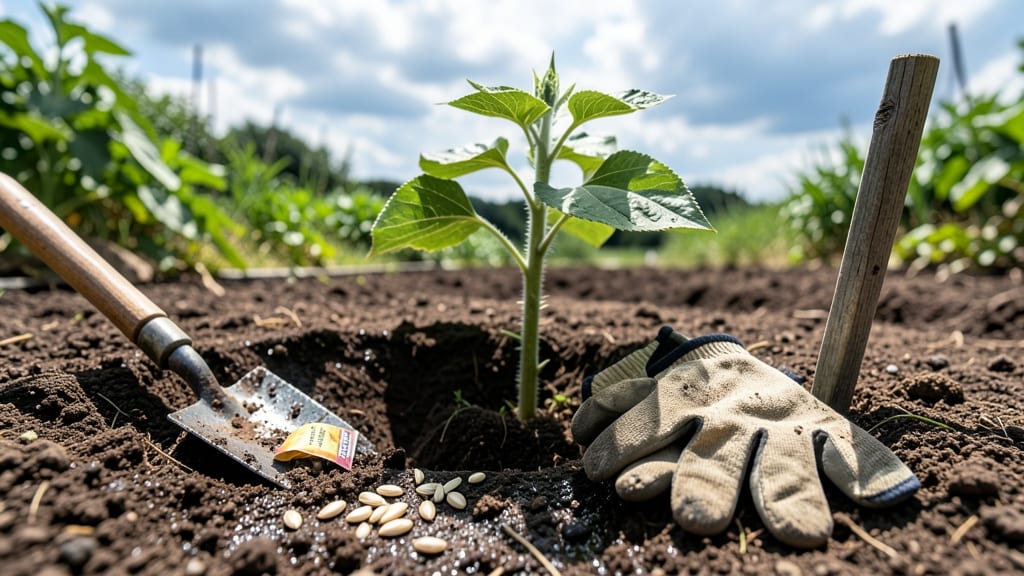
Planting sunflower seeds in Massachusetts at the right time means the difference between towering 🌻 blooms and seedlings lost to frost.
Timing is everything, especially when you’re working with USDA Zones 5B-6A, where frost can sneak up faster than you think. Get it wrong, and your sunflowers might never reach their full height—or worse, bolt before they even open.
Here’s the key: in most of Massachusetts, you’ve got a 6-week window from mid-April to late June to get seeds in the ground. But whether you’re in Boston or the Berkshires, local microclimates can shift that deadline by weeks.
Below, I’ll break down the exact frost-free dates by zone, how to tell when soil is warm enough, and whether you should start seeds indoors or just dive in outdoors. Plus, the secret to stretching your season for late-summer sunflowers that bloom right up until fall.
Massachusetts sunflower planting deadlines by USDA Zone 5B vs 6A
Getting your sunflower seeds in the ground at the right time is crucial for Massachusetts gardeners, where last frost dates can vary by weeks between Boston and Western MA.
In USDA Zone 5B (like Worcester), you typically have April 15–May 15 to plant, while Zone 6A (common in Western MA) allows an earlier window of April 1–May 10. These dates align with soil temperatures reaching the 55°F minimum sunflowers need to germinate.
For both zones, soil temperature is your best guide—wait until it consistently stays above 55°F for at least 5 days before planting. In Boston, coastal breezes can delay warming, so May 1 is often safer than inland areas.
Meanwhile, Western MA’s warmer microclimates may see 55°F soil as early as late April, giving you a head start.
Here’s how to navigate the planting window for each zone, including regional adjustments:
If you’re in Zone 5B, like many Boston-area gardeners, don’t rush to plant before April 15. Coastal areas can experience late frosts well into May, and sunflower seedlings are especially vulnerable to 28°F or lower temperatures.
Use a soil thermometer to confirm 55°F+—this is your green light to sow. In Zone 6A, you can start as early as April 1, but protect young plants with row covers if nights dip below 40°F.
For both zones, direct sowing is the best method—sunflowers hate transplanting and develop a strong taproot quickly. Plant seeds 1 inch deep and 6 inches apart, then thin to 12–18 inches once they’re 4–6 inches tall.
This spacing gives them room to grow 6–12 feet tall without competing for nutrients.
Pro tip: If you’re in a microclimate like the Berkshires (Zone 6A), you can push your planting window even earlier. Test your soil temperature for 3 consecutive days above 55°F—this is your cue to start.
In contrast, gardeners in coastal Zone 5B should wait until May 1 to avoid frost damage, especially for tall varieties like 'Moulin Rouge' that need a long growing season.
Don’t forget that sunflowers are fast growers—some varieties mature in as little as 50 days. This means you can even squeeze in a late-summer planting (around July 1) for fall blooms, especially in Zone 6A.
Just choose short-season varieties like 'Autumn Beauty' to ensure they bloom before the first frost in mid-October.
Finally, keep an eye on your local frost forecast. The National Weather Service provides frost-free date averages, but real-time adjustments are key. If a late frost is predicted, use row covers or cold frames to protect young plants.
With the right timing, your sunflowers will reward you with vibrant blooms that turn heads all summer long.
🌻
How to Extend your sunflower growing season in Massachusetts
Massachusetts' unpredictable frost dates can cut your sunflower season short—but with the right strategies, you can stretch those golden blooms well into fall. The key is combining frost protection, succession planting, and fast-maturing varieties that thrive in cooler temperatures.
Even if your first frost arrives in mid-October, you can still enjoy sunflowers by starting seeds early and using protective measures. I've tested these methods in my Zone 5B garden, and they've added 4-6 extra weeks of bloom time without sacrificing plant health.
- 1 Use row covers for early spring plantings (after soil reaches 55°F). Lightweight fabric raises soil temps by 5-10°F and protects seedlings from late frosts. Remove when flowers appear to prevent overheating.
- 2 Try cold frames for fall plantings. Place seeds in mini-greenhouses with clear lids to capture solar heat. Works best for 'Autumn Beauty' varieties which tolerate cooler temps down to 40°F.
- 3 Plant succession batches every 2 weeks from May through July. Space them 3 feet apart to avoid shading. This creates a continuous bloom from July through October.
- 4 Choose fast varieties like 'ProCut' (50-55 days) or 'Moulin Rouge' (60 days). These mature before most late-summer frosts. Avoid tall varieties like 'Russian Giant' for fall plantings—they need more time.
- 5 Extend roots with mulch. Apply 2-3 inches of straw around stems in late summer. This insulates roots and helps plants survive light frosts (28-32°F) without damage.
For my late-summer plantings, I always choose 'Autumn Beauty'—its deep red petals contrast beautifully with the golden centers. This variety handles cooler temps better than standard types, and its 70-day maturity gives it time to establish before fall.
Just be sure to plant by August 15 in Zone 5B for best results.
Another trick I've learned is to harden off seedlings properly before transplanting in late summer. Gradually expose them to cooler temps over 7-10 days to prevent shock when nighttime temps drop. This simple step has helped my fall sunflowers survive 30°F nights without wilting.
Remember, sunflowers are tough plants—they'll often bounce back from light frosts if their roots stay warm. But for true extension, combine these methods with drip irrigation to keep soil moist during dry fall periods.
With the right approach, you can enjoy sunflowers well into October, long after most gardeners have packed up for winter. 🌻