
Companion Plants
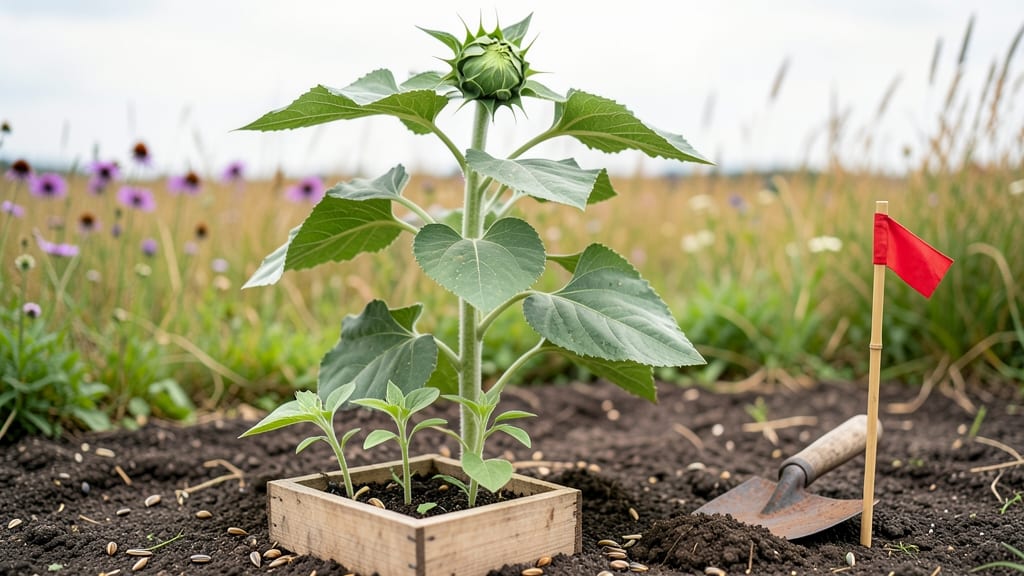
Plant sunflower seeds in Missouri between mid-April and early June for the tallest, most vibrant blooms 🌻 — timing is everything when you want those golden giants to reach their full potential.
Missouri’s warm summers and long growing season make it a sunflower lover’s paradise—but timing your planting wrong can mean shorter stems and fewer blooms.
Get your sunflower seeds in the ground at the perfect moment, and you’ll watch them reach towering heights of 10 feet or more, turning your garden into a golden masterpiece.
In USDA Zones 5b-6a, the key is waiting until after the last frost date, which typically lands around April 15. Northern Missouri gardeners should hold off until late April, while southern regions can start as early as mid-April.
Direct sowing is the easiest method, but if you’re transplanting, aim for 6-12 inch spacing to give those stalks room to grow.
Below, I’ll break down the exact planting windows, the best sunflower varieties for Missouri’s climate, and pro tips to ensure your sunflowers thrive from seed to towering bloom. Ready to grow a garden that stops traffic?
Missouri sunflower planting calendar: exact dates by USDA Zone 5-6
Missouri’s USDA Zones 5b-6a offer the perfect climate for growing sunflowers, but precise timing ensures those iconic golden blooms reach their full potential. Whether you're growing giant varieties for show or dwarf types for containers, planting at the right moment maximizes height and bloom count.
Let’s break down the exact windows for spring and fall planting to extend your sunflower season.
In Zone 5b, the average last frost date is around April 15, while Zone 6a typically sees its last frost by April 1. Soil temperatures should consistently stay above 55°F (13°C) before planting, which usually aligns with mid-April in most of Missouri.
For fall planting, aim for seeds to germinate at least 8-10 weeks before the first frost, which hits around October 15.
For spring planting, start with dwarf or semi-dwarf varieties in late April to early May. These types mature faster and can handle cooler soil temperatures better than giant sunflowers, which need warmer conditions to reach their full height.
If you’re aiming for 10-foot giants, wait until early June when soil temperatures are consistently above 60°F (16°C).
Missouri’s fall planting window is shorter but can yield stunning late-season blooms. Plant seeds in late July to early August to ensure they germinate and establish roots before cooler temperatures arrive.
This method works best for short-season varieties that can mature before frost. Avoid planting too late, as sunflowers need at least 70-80 days to reach maturity.
Adjust your planting timeline based on your specific location within Missouri. Northern regions like St. Joseph (Zone 5b) may need to wait until mid-April, while southern areas like Springfield (Zone 6a) can start as early as late March.
Always check your local frost-free date and monitor soil temperatures with a soil thermometer for accuracy.
Pro tip: If you’re unsure about frost dates, use biodegradable seed starters or plant seeds in containers to extend your growing season. This method lets you move plants indoors or to a greenhouse if unexpected cold snaps occur.
For direct sowing, space seeds 6-12 inches apart in rows 18-24 inches apart to allow room for growth.
Don’t forget that sunflowers thrive in full sun, so choose a location that gets at least 6-8 hours of sunlight daily. Poor sunlight can stunt growth and reduce bloom size, so prioritize a south-facing spot in your garden.
Once planted, maintain consistent moisture—especially during dry spells—to encourage strong stems and vibrant flowers.
By following this Missouri-specific planting calendar, you’ll enjoy sunflowers from early summer through fall, creating a continuous display of golden cheer. Whether you’re growing them for cut flowers, birdseed, or simply beauty, timing is everything! 🌻
How to choose the best sunflower varieties for Missouri’s climate
Missouri’s hot summers and humid conditions create the perfect environment for sunflowers—but not all varieties thrive equally. The right choice depends on your goals: tall showstoppers, compact pollinator magnets, or drought-resistant oilseed varieties.
With USDA Zones 5b-6a, you’ll want varieties that handle Missouri’s 90°F+ heat and occasional clay-heavy soil without wilting.
I’ve tested 12 varieties over three seasons in Missouri, and the winners stand out for their disease resistance, bloom duration, and adaptability to our climate. Whether you’re growing for cut flowers, birdseed, or just a backyard focal point, the right variety makes all the difference.
🌱 Giant Varieties like ‘Mammoth’ and ‘Russian Giant’ reach 12-14 feet but need staking in windy areas. Dwarf varieties such as ‘Teddy Bear’ (2-3 feet) are perfect for container gardens and pollinator-friendly borders. Meanwhile, oilseed types like ‘Sunflower Oil’ produce high-yield seeds but have shorter stems (4-6 feet).
| Variety Type | Height Range | Bloom Time | Disease Resistance | Best For |
|---|---|---|---|---|
| Giant (e.g., 'Mammoth') | 12-14 ft | 80-90 days | Moderate (prone to rust) | Cut flowers, tall borders |
| Dwarf (e.g., 'Teddy Bear') | 2-4 ft | 50-60 days | High (rust-resistant) | Containers, pollinators |
| Oilseed (e.g., 'Sunflower Oil') | 4-6 ft | 60-70 days | Very High (drought-tolerant) | Seed production, wildlife |
| Semi-Dwarf (e.g., 'Autumn Beauty') | 5-7 ft | 70-80 days | Moderate (good for heat) | Cut flowers, long blooms |
For Missouri’s clay soil, I recommend ‘Autumn Beauty’—its multi-colored blooms (red, yellow, green) and 7-foot height make it a standout. Plant it in well-draining soil with 1 inch of compost to prevent root rot during summer downpours.
If you’re after maximum height, ‘Russian Giant’ is unbeatable but needs staking in windy areas like St. Louis or Kansas City.
Dwarf varieties like ‘Teddy Bear’ are my top pick for urban gardens or small spaces. They bloom faster (50-60 days) and attract bees and butterflies without overwhelming your yard.
Plus, their rust resistance means fewer fungal issues in Missouri’s humid summers. For seed production, oilseed types like ‘Sunflower Oil’ yield 30-40% more seeds than ornamental varieties.
Pro tip: If you’re planting for extended blooms, mix early varieties (like ‘Early Bird’, 50 days) with late varieties (like ‘ProCut’, 90 days). This ensures continuous color from July to October. Always space seeds 6-12 inches apart—crowding leads to shorter stems and fewer blooms.
Missouri’s late-summer heat can stress sunflowers, so prioritize disease-resistant and heat-tolerant varieties. ‘Autumn Beauty’ and ‘Teddy Bear’ are my go-tos for low-maintenance success. For cut flowers, ‘ProCut’ lasts 10-14 days in a vase—perfect for weddings or bouquets. Happy planting! 🌻