
Plants
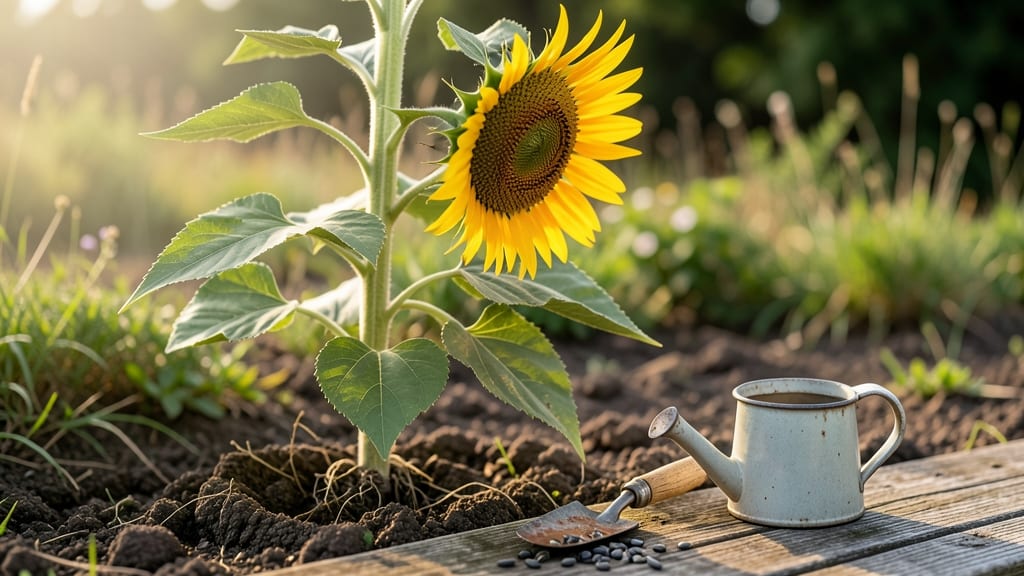
Plant sunflower seeds in South Africa between September and March for fast germination and vibrant blooms, aligning with the country’s spring-to-early-autumn growing window.
Timing matters more than you’d think—plant too early in frost-prone areas (like the Highveld), and your seeds may rot; too late, and summer’s heat arrives before they bloom. The key is matching your region’s microclimate to the 60-day growth cycle of most varieties.
Coastal zones like Cape Town (USDA 9b) can start as early as August, while inland provinces (10a) wait until September to avoid spring rains. Highveld gardeners should aim for October, when soil temperatures consistently hit 15°C.
Below, I break down the exact months by region, soil prep tricks to speed up germination, and how to adjust for summer rainfall vs. winter-dry climates—so your 🌻 sunflowers go from seed to towering beauty in record time.
Best sunflower planting months in south Africa by region: coastal vs. inland vs. Highveld
South Africa’s diverse climates mean your sunflower planting timeline should match your region’s microclimate. Coastal areas like Cape Town and Durban enjoy milder winters, while the Highveld (Johannesburg, Pretoria) faces occasional frost.
Inland provinces like the Free State and Karoo bake under summer sun—each zone demands a tailored approach to maximize germination rates and bloom timing.
For fastest growth, aim to plant when soil temperatures consistently stay above 15°C (59°F). Coastal regions hit this mark by August-September, while Highveld gardeners wait until October.
Inland areas can start as early as September, but summer rainfall zones (like KwaZulu-Natal) benefit from late winter planting to avoid waterlogged soil.
Below is a region-specific breakdown of optimal planting windows, soil readiness cues, and temperature thresholds to ensure your 🌻 sunflowers thrive from seed to seedhead.
In coastal regions, you can push planting as early as August thanks to warmer winters. The Western Cape and Eastern Cape benefit from mild temperatures and low frost risk, making them ideal for early sowing.
However, coastal fog can delay germination, so monitor soil moisture closely. Use well-draining soil and avoid waterlogging, which is common in Durban’s summer rains.
The Highveld presents the biggest challenge due to late spring frosts. Wait until mid-October when nighttime temperatures consistently stay above 5°C (41°F).
Use black plastic mulch or cloches to warm the soil faster. Dwarf varieties like ‘Teddy Bear’ are ideal for Highveld gardens, as they mature quickly before summer heat sets in.
For inland provinces, prioritize September planting to align with the onset of summer rains.
Areas like the Free State and Northern Cape experience intense heat, so focus on deep watering and mulching to retain moisture. Semi-dwarf varieties like ‘Autumn Beauty’ thrive here, offering vibrant blooms without excessive water needs.
If you’re in a summer rainfall zone (e.g., KwaZulu-Natal), plant in late August to avoid waterlogged soil during the rainy season. Raised beds improve drainage and prevent seed rot. Choose fast-maturing varieties (e.g., ‘Moulin Rouge’) to ensure blooms appear before the peak rain months of December–February.
Pro tip: Test your soil’s pH level (ideal range: 6.0–7.5) before planting. Coastal soils often lean alkaline, while Highveld soils may be acidic. Amend with compost or lime as needed to create the perfect environment for 🌱 germination.
How to adjust sunflower planting dates for faster germination in south Africa’s climate zones
South Africa’s diverse climate zones mean your sunflower seeds can thrive year-round with the right adjustments. In cooler regions like the Highveld, soil temperatures below 15°C delay germination, while summer-rainfall areas (e.g., KwaZulu-Natal) need early planting to avoid fungal risks.
The trick? Use soil warming and microclimate tricks to fine-tune planting dates for faster sprouts.
For example, gardeners in Cape Town’s USDA 9b zone can start seeds in August under shade cloth, while those in Johannesburg’s 10a wait until October when daytime highs hit 20°C.
Even a 1-week adjustment can mean the difference between 60-day blooms and stunted growth. Let’s break down how to optimize your timing.
- 1. Soil Warming: Use black plastic mulch or clear cloches to raise soil temps by 5-10°C in cooler zones. This lets you plant 2-3 weeks earlier in areas like the Free State.
- 2. Shade Cloth: In summer-rainfall regions (e.g., Eastern Cape), use 30% shade cloth to prevent seed rot from heavy rains. Plant in September under cover for 90% germination rates.
- 3. Mulching: Apply straw or wood chips to retain moisture and warmth. This extends the planting window by 4 weeks in winter-dry zones like the Western Cape.
- 4. Microclimate Spotting: Plant near south-facing walls or paved areas to create warmer microclimates. This lets you plant 1 month earlier in cooler pockets of Durban or Pretoria.
- 5. Seed Soaking: Soak seeds in lukewarm water for 4 hours before planting. This boosts germination speed by 30% in dry inland soils (e.g., North West Province).
Don’t overlook rainfall patterns—they’re just as critical as temperature. In winter-rainfall areas (e.g., Western Cape), plant in September to align with spring rains, which naturally water your seeds. Conversely, in summer-rainfall zones, delay until October to avoid fungal diseases from prolonged dampness.
For container gardening, use black pots to absorb heat and plant 1-2 weeks earlier than ground planting. In urban gardens with limited space, dwarf varieties like ‘Teddy Bear’ germinate faster in warmer microclimates, making them ideal for balconies or rooftops.
Pro tip: Monitor your local weather forecasts for heatwaves or unexpected frosts. In Highveld regions, a single 5°C night can stunt young seedlings—so adjust planting dates dynamically.
With these tweaks, your sunflowers will shoot up 2-3 times faster and reward you with bold, sun-kissed blooms all season long. 🌻