
How To
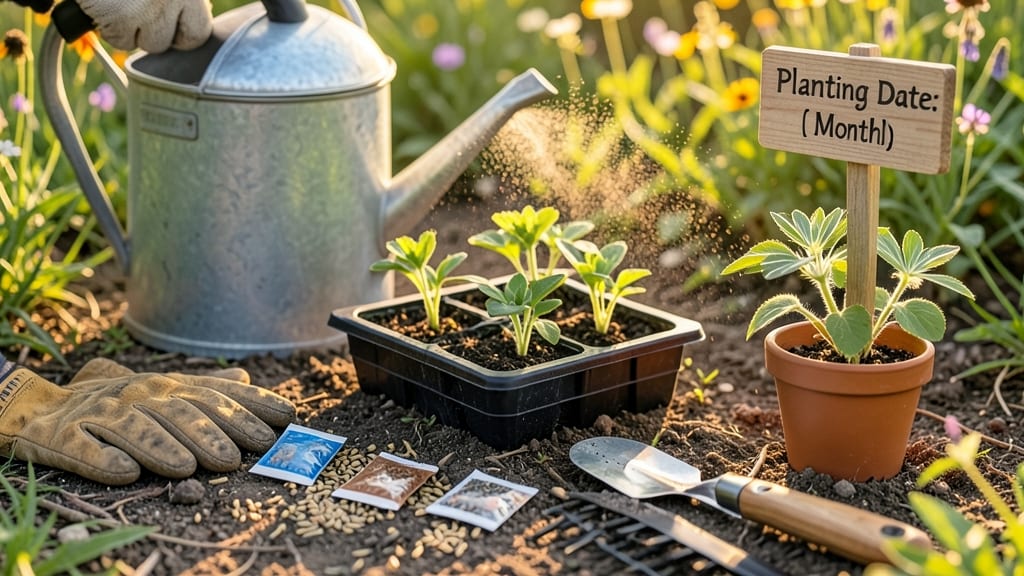
How fast do wildflower seeds grow—the answer might surprise even the most patient gardeners, with some popping up in as little as 7 days, while others take months to show their first green shoots.
You’ve scattered those tiny seeds, watered them gently, and now you’re waiting—wondering if you’ll ever see those vibrant blooms. The truth? Wildflowers like clover can sprout in just over a week, while black-eyed Susans might take 30 days or more to emerge.
Knowing the timeline helps you plan for the best results.
In this guide, I’ll break down the month-by-month growth stages of wildflowers, from the first sprouts to full bloom, so you can set realistic expectations. We’ll also cover how sunlight, soil, and even your planting window can speed up—or slow down—that magical transformation.
Whether you’re a beginner eager for quick color or an experienced gardener fine-tuning your meadow, you’ll discover the secrets to getting those 🌼 wildflowers growing faster and thriving longer.


Wildflower seed germination speed: what to expect in the first 4 weeks
When you scatter wildflower seeds, the waiting game begins—but how long until those first green shoots appear? The answer depends on the species, soil conditions, and temperature.
Some fast growers like clover pop up in 7-14 days, while others like black-eyed Susans take 21-30 days to emerge. Understanding these timelines helps you set realistic expectations and troubleshoot delays.
Wildflower germination follows three key phases: imbibition (soaking up moisture), radicle emergence (root growth), and shoot development. The first two weeks are critical—most seeds need consistent moisture and warm soil (60-75°F) to break dormancy.
If your seeds aren’t sprouting in this window, check for dry soil or temperature fluctuations.
Soil preparation sets the stage for speedy germination. Loosen the top 1/4 inch of soil with a rake to improve aeration, and mix in compost for nutrients. Wildflowers thrive in well-draining soil—avoid compacted or waterlogged areas, which can suffocate emerging roots. A quick soil test ensures the pH (ideal: 6.0-7.5) won’t slow growth.
Moisture is non-negotiable during germination. Keep the soil evenly damp (not soggy) by watering lightly every 2-3 days until sprouts appear. A light misting with a spray bottle prevents seed displacement while maintaining humidity.
Overwatering can cause fungal issues or rot, so prioritize surface moisture over deep soaking at this stage.
Temperature plays a starring role in germination speed. Most wildflowers germinate fastest in 60-75°F soil. If your region experiences cool nights or hot afternoons, consider using a seed mat or planting in microclimates (like near a south-facing wall) to maintain ideal temps.
Seeds planted in fall often germinate slower due to cooler soils but benefit from natural stratification.
Not all wildflowers follow the same schedule—annuals like cosmos and sunflowers germinate faster than perennials like coneflowers or black-eyed Susans. Annuals prioritize quick growth to complete their lifecycle in one season, while perennials invest energy in root development before shooting up.
If you’re mixing species, expect a gradual emergence over 2-4 weeks.
Light exposure matters even before sprouts break the surface. Most wildflower seeds need light to germinate, so avoid burying them more than 1/8 inch deep. After sprouting, provide 4-6 hours of sunlight daily to prevent leggy, weak seedlings.
Shade-loving varieties like columbine or foxglove may take slightly longer to emerge but thrive in partial shade.
Patience is key if your seeds take longer than expected. Some varieties, like goldenrod or asters, may require stratification (a cold period) to break dormancy. If you planted in late spring, soil warmth might still be insufficient—try again in early fall for better results.
A clear plastic dome over seedlings can create a mini greenhouse effect to speed up germination by
Month-by-month growth timeline: when wildflowers reach full bloom
Tracking your wildflowers' progress month-by-month transforms guesswork into a predictable timeline. Annuals like cosmos and zinnia typically bloom in 8-12 weeks from planting, while perennials such as coneflowers take 3-4 months to reach their first peak. Understanding these stages helps you adjust care and anticipate the stunning meadow you're creating.
Spring-planted wildflowers often bloom faster than fall-sown varieties because they benefit from warmer soil temperatures and longer daylight hours. For example, black-eyed Susans planted in spring may flower by mid-summer, while those sown in fall might not peak until next summer.
This seasonal difference is key to planning your garden's color timeline.
🌱 Key Milestones to Watch:
In Month 1, focus on consistent moisture—annuals like marigolds may sprout in as little as 7 days if conditions are ideal, while perennials like bee balm take 3-4 weeks to emerge. Use a lightweight row cover if nighttime temperatures drop below 50°F to protect tender seedlings.
By Month 2, your wildflowers will enter their vegetative growth phase, where leaf development is critical. Annuals like sunflowers grow rapidly, reaching 1-2 feet tall by this stage, while perennials focus on building strong root systems.
This is the perfect time to mulch around plants to retain moisture and suppress weeds.
Watch for bud formation in Month 3, which signals the final stretch before blooming. For spring-planted varieties, you'll often see flowers by late summer, while fall-sown wildflowers may bloom earlier the following year. Prune any dead or yellowing leaves to redirect energy to flower production.
Once your wildflowers reach full bloom, enjoy the show! Annuals typically provide 6-8 weeks of continuous color, while perennials reward you with season-after-season beauty. Remember to deadhead spent blooms to encourage more flowers and collect seeds from your favorites for next year's garden.