
Plants
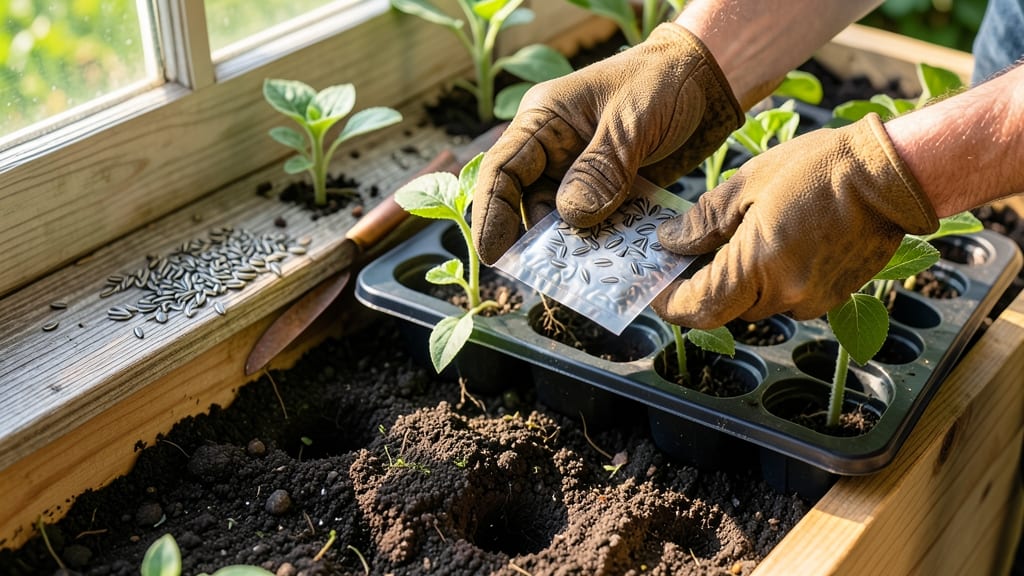
Planting sunflower seeds outside after the last frost ensures they reach their towering, vibrant potential 🌻—but timing is everything for those fast blooms you’re dreaming of.
Picture this: you’ve waited all winter, and now your garden is ready for a splash of sunshine. But if you plant too early, a late frost will nip those delicate sprouts in the bud.
Too late, and you’ll miss the long, golden summer days that make sunflowers thrive. The difference between a wilted disappointment and a showstopping display? Knowing your zone and the exact window to start.
In USDA Zone 6a, like much of the Midwest, that means waiting until mid-April—after the soil warms to at least 60°F—to give your seeds the best shot at sprouting. But if you’re in a warmer climate, like the Southern U.S., you might be planting as early as February.
Below, I’ll break down the critical factors for your region, so you can time it right for maximum height and those iconic blooms.
You’ll also learn how to adjust for high-altitude gardens, when to fertilize for fastest growth, and even how to stretch your sunflower season with a few simple tricks. Let’s get those seeds in the ground—and those smiles in the air.
Best planting times for sunflower seeds by USDA hardiness zones
Sunflowers thrive when planted at the right time—too early, and frost will kill tender seedlings; too late, and you'll miss the summer blooms you love. The key is understanding your USDA hardiness zone and local frost dates.
Most sunflower varieties need 60-70 days from seed to bloom, so timing directly impacts your harvest window.
In cooler zones (USDA 3-5), start seeds indoors 4-6 weeks before your last frost date, while warmer zones (USDA 8-10) can plant directly outdoors as early as February.
The optimal window for direct sowing is 2-4 weeks after your last expected frost, when soil temperatures reach 55°F+.
Here’s your zone-specific planting guide with exact weeks before last frost to ensure maximum growth and longer bloom duration. Use this as your roadmap to avoid common mistakes like overcrowding or late-season wilting.
Notice how northern zones (3-5) rely on early starts to compensate for shorter growing seasons, while southern zones (9-12) can plant year-round.
The difference in days to maturity between early and late varieties also affects your timing—plant 'Teddy Bear' in Zone 4 by May 1 for summer blooms, but delay 'Russian Giant' until June 15 to avoid frost damage.
For high-altitude gardens (e.g., Denver, CO), subtract 2-3 weeks from your zone’s window since cooler temperatures slow germination. Use a seedling heat mat if planting early to maintain 60°F soil temps. In contrast, desert climates (Zone 9-10) can plant February-March without risk, thanks to consistent warmth.
Pro tip: Mark your calendar for 2-3 weeks after your last frost date, then count backward based on your variety’s days to maturity. For example, a 60-day variety in Zone 6 needs to be planted by mid-May to bloom before fall frost.
Use this formula: Last frost date - days to maturity = plant date.
Timing also affects stem strength—plants started too late may produce taller but weaker stalks prone to lodging. Aim for 6-8 weeks of growth before peak summer heat to ensure robust blooms. In Zone 7-8, this means planting March-April for July-August flowers, while Zone
5 Critical factors that determine your sunflower planting schedule
When planning your sunflower garden, frost dates alone won't guarantee success. Sunflowers are fast-growing but need specific conditions to thrive. The soil temperature must reach at least 60°F for seeds to germinate properly—cold soil can leave you staring at empty furrows instead of towering stalks.
I’ve learned this the hard way after planting too early in Zone 6a and watching seeds rot in damp, chilly earth.
Beyond temperature, sunflowers are day-length sensitive. They bloom faster with longer daylight hours, which is why late spring plantings often produce taller, more robust flowers.
But if you’re in a high-altitude garden, like Denver or Salt Lake City, cooler temps and shorter growing seasons mean you’ll need to adjust your timing by 2-3 weeks earlier than coastal areas at the same latitude.
Here’s what you must consider before digging in:
- 🌡️ Soil Temp: Wait until soil reaches 60°F+ (use a soil thermometer). Cold soil = failed germination.
- ☀️ Daylight: Longer days = faster blooms. Plant in late May-June for optimal growth.
- 💧 Drought Tolerance: Once established, sunflowers handle dry spells, but consistent moisture speeds growth.
- ⛰️ Altitude Adjustments: High-altitude gardens? Plant 2-3 weeks earlier than coastal zones.
- 🌱 Seed Depth: Bury seeds 1 inch deep—deeper = slower sprouting; shallower = drying out.
Don’t overlook drought tolerance, either. While sunflowers are resilient once rooted, seedlings need consistent moisture to establish. I once saw a garden where the grower watered sporadically, and the sunflowers bolted to seed prematurely—skipping that glorious bloom phase entirely.
A drip irrigation system or soaker hose can save you from this common mistake.
For high-altitude gardens, like those in Colorado or Utah, the growing season shrinks. I’ve seen sunflowers planted in early May at 7,000 feet struggle, while the same seeds planted in late April at 5,000 feet thrived.
Use a local frost calendar and add 2-3 weeks to your coastal zone’s recommended planting date to compensate for cooler temps.
Pro tip: If your soil stays cool past your usual planting window, try a black plastic mulch to warm it faster. I’ve seen this trick add 1-2 weeks to the growing season in cooler climates. Just remember to remove it once the soil heats up to avoid overheating roots.
Finally, test your soil before planting. Sunflowers prefer slightly acidic to neutral pH (6.0-7.0). If your soil is too alkaline, amend it with compost or peat moss a few weeks before planting.
A simple pH test kit (under $10) will save you from guessing—and from a garden full of stunted, yellowing leaves.