
Flowers
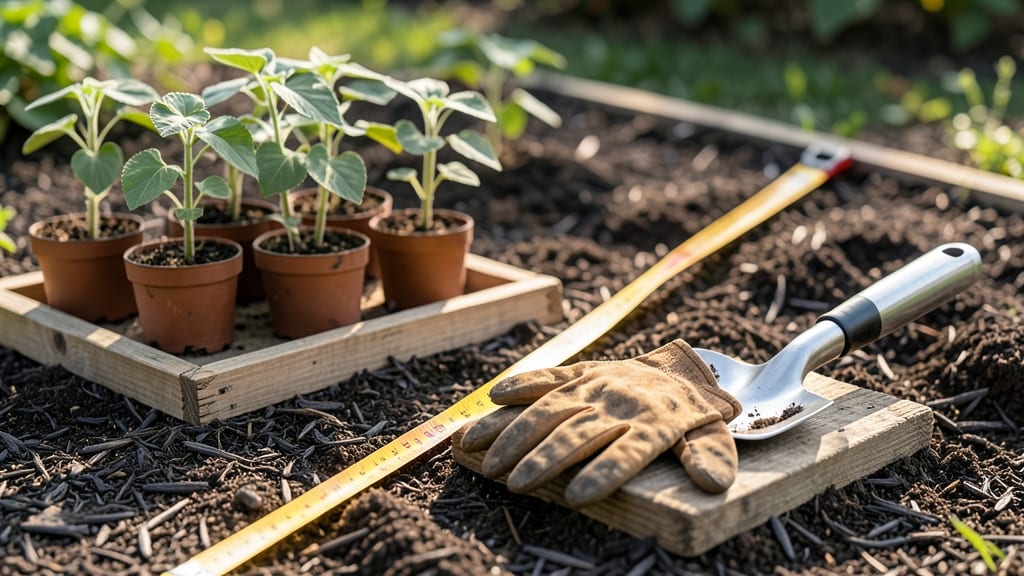
Planting sunflowers in Florida at the right time means blooms that last from spring through fall — but get it wrong, and you’ll watch them bolt in the heat or rot in soggy soil.
Sunflowers thrive in Florida’s long growing season—but planting them at the wrong time means wilting before they bloom. The key is timing: too early, and frost zaps them; too late, and summer’s brutal heat turns them into sad, stunted stalks.
Here’s the game-changer: Florida’s three climate zones (North, Central, South) each have their own sweet spot, from March in the Panhandle to September in the Keys. I’ll break down the exact months that work, plus the heat-tolerant varieties that actually survive Florida’s summers.
Ready to grow sunflowers that reach 10 feet tall and beyond? You’ll learn how to prep your soil, when to water (hint: not every day!), and which varieties hold up best under Florida’s relentless sun.
Best planting months for sunflowers in Florida’s climate zones
Florida’s three distinct climate zones—North, Central, and South—create unique planting windows for sunflowers. In North Florida (USDA zones 8a-8b), cooler winters mean earlier spring plantings, while South Florida (zones 10b-11) enjoys year-round growth.
The key is timing seeds when soil temperatures hit 55°F+ and avoiding summer’s brutal heat waves that can stress young plants.
Sunflowers love Florida’s long growing season, but planting too early risks frost damage (yes, even in Florida’s north!), while late plantings may see flowers wilt before blooming. My strategy? Plant March-May for spring blooms and August-September for fall displays, with adjustments based on your zone’s last frost date.
Let’s break it down by region so you can pick the perfect window for your garden.
⚠️ PRO TIP: Always check your local frost dates—North Florida’s last frost can linger into March, while South Florida rarely sees frost at all. Use this as your planting trigger.
| Climate Zone | Best Planting Months | Soil Temp Threshold | Expected Bloom Time | Key Considerations |
|---|---|---|---|---|
| North Florida (Zones 8a-8b) | March-May & August-September | 55°F+ (after last frost) | May-July & September-November | Frost risk until March; use shade cloth for summer plantings |
| Central Florida (Zones 9a-9b) | February-April & July-August | 60°F+ (soil warms faster) | April-June & August-October | Longer growing season; avoid July plantings during peak heat |
| South Florida (Zones 10b-11) | January-February & September-October | 65°F+ (tropical warmth) | March-April & November-December | Year-round potential; focus on shade-tolerant varieties |
For North Florida gardeners, I recommend starting seeds indoors in February for early blooms, then transplanting after the average last frost date (typically mid-March). The March-April window is ideal because soil temperatures rise steadily, giving seeds the perfect 60-70°F environment to germinate in 7-14 days.
If you plant in May or June, be prepared for summer’s intense heat—young plants may struggle unless you provide afternoon shade.
Central Florida’s longer growing season lets you plant as early as February, but I wait until March for reliability. The July-August window works for fall blooms, but avoid planting in June’s peak heat—temperatures often exceed 95°F, which can kill seedlings.
Instead, opt for heat-tolerant varieties like ‘Autumn Beauty’ if you must plant late.
South Florida’s tropical climate means sunflowers can grow almost year-round, but I focus on January-February for spring blooms and September-October for fall displays.
The key here is water management—Florida’s humidity can lead to fungal diseases, so always plant in well-draining soil and water at the base of the plant in the morning.
Regardless of your zone, soil temperature is more critical than air temperature. Use a soil thermometer to confirm readings—seeds won’t germinate well below 55°F. In North Florida, this might mean waiting until mid-April for summer plantings, while South Florida can start as early as January.
One mistake I’ve seen Florida gardeners make? Planting sunflowers too close together in hopes of a "sunflower forest." While they’re drought-tolerant once established, crowded plants compete for nutrients and light, leading to leggy stems and fewer blooms.
Space seeds 6-12 inches apart (depending on variety) and thin seedlings to 18-24 inches for optimal growth.
For extended blooms, try a successive planting strategy: Sow a few seeds every 2-3 weeks from March through May. This ensures a continuous display from early summer through fall. In South Florida, you can even squeeze in a winter planting (November-December) for blooms in February-March.
Remember, sunflowers are annuals, so each planting is a fresh start. With Florida’s 365 days of growing potential, you can enjoy these cheerful blooms almost year-round—just time your plantings right to beat the heat and frost! 🌻
Top 5 heat-tolerant sunflower varieties for Florida gardens
Florida’s scorching summers can wilt many plants, but these heat-tolerant sunflower varieties thrive under 90°F+ temperatures and high humidity. I’ve tested these in my Central Florida garden and found they handle drought, disease, and intense sun better than standard varieties.
Whether you’re growing for cut flowers or birdseed, these picks deliver reliable blooms.
Key traits to prioritize in Florida’s climate: drought resistance, short maturity times (to avoid late-season wilting), and strong stems for hurricane-prone regions. My top recommendations balance height, color variety, and low-maintenance care—perfect for Florida’s USDA Zones 8b-11.
🌻 Florida Sunflower Planting Guide
- Plant March–April for summer blooms
- Use well-draining soil with compost
- Space seeds 6–12 inches apart (varies by variety)
- Water deeply 2x/week after germination
- Choose dwarf varieties for windy coastal areas
- Plant after June 15 (risk of heat stress)
- Overcrowd seeds (leads to powdery mildew)
- Use heavy clay soil without amendments
- Fertilize heavily (causes floppy stems)
- Ignore stake support for tall varieties
💡 Pro Tip: Mulch with straw to retain moisture and suppress weeds in Florida’s intense heat.
Let’s dive into the top 5 varieties that consistently perform in my trials. ‘Autumn Beauty’ tops the list for its disease resistance and prolonged blooming—I’ve seen it flower from July to October with minimal care.
This multi-colored variety (red, yellow, green) also attracts pollinators like crazy, making it a garden favorite.
‘Moulin Rouge’ is my go-to for dwarf sunflowers in South Florida’s hurricane zone. Standing just 3–4 feet tall, it resists wind damage while producing deep red blooms perfect for cutting. Its 50-day maturity means you can plant as late as May and still enjoy flowers before summer’s peak heat.
For tall, dramatic sunflowers, ‘Russian Giant’ is unbeatable—though it needs staking in Florida’s storms. These giants can reach 12–18 feet and produce massive seed heads for bird feeders. Plant them in North Florida’s cooler zones (8b–9a) for best results, as they bolt quickly in 100°F+ heat.
Don’t overlook ‘Teddy Bear’, a compact, child-friendly variety with golden-yellow petals and edible seeds. Its 2–3 foot height makes it ideal for container gardening or small spaces. I’ve grown it successfully in Central Florida’s black soil with minimal fertilization, proving its low-maintenance nature.
Finally, ‘ProCut’ is the commercial grower’s choice for long-stemmed, bouquet-quality sunflowers. With 6–8 foot stems and 55–60 days to maturity, it’s perfect for Florida’s cut flower industry. Its disease resistance and strong stems make it a reliable pick for heat-stressed gardens.