
Flowers
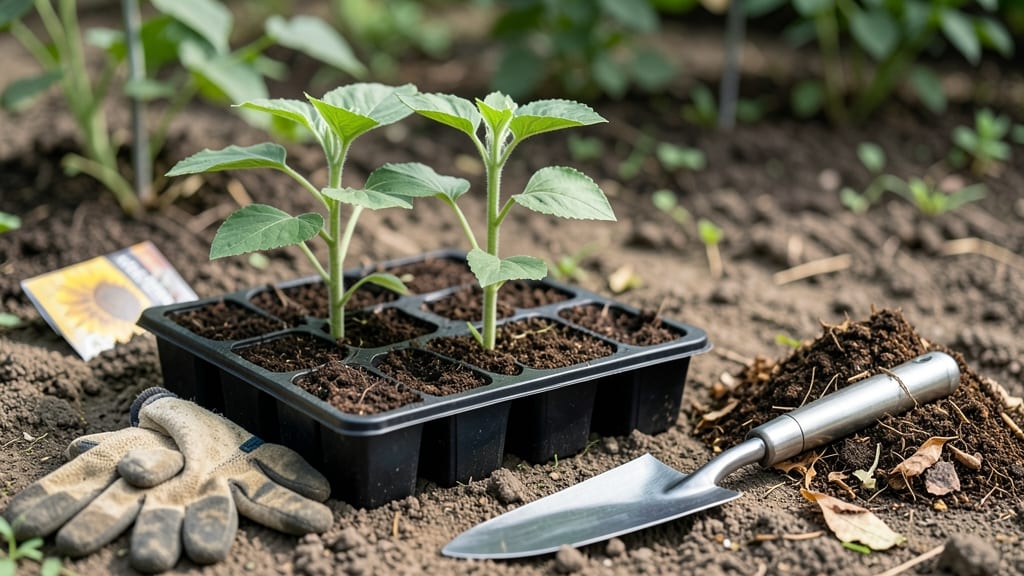
Planting sunflowers in Massachusetts after the last frost date—typically around mid-April—sets you up for those towering 🌻 displays by summer.
But here’s the catch: rush it, and a late frost could turn your seedlings into a sad, brown snack. Wait too long, and you’ll miss the 120-day window for full-size blooms before fall’s chill sets in.
The difference between a 10-foot giant and a 3-foot flop often comes down to those two weeks.
Massachusetts’ USDA Zone 5b-6b climate means your timing depends on whether you’re in coastal New Bedford or inland Worcester. Coastal areas warm up faster, while inland zones play the waiting game—sometimes until late May.
Below, I’ll break down the exact frost-free window by region, the best varieties for your zone, and how to stretch your season for extra sunflower joy—without the guesswork.
Massachusetts sunflower planting timeline by USDA Zone 6a: exact dates for success
Sunflowers in Massachusetts thrive when planted at the right time, but the USDA Zone 6a climate brings challenges like late frosts. For direct sowing, aim for after the last frost—typically mid-May in most regions.
However, transplants can go in slightly earlier if soil temperatures reach 55°F consistently. Regional differences matter: Boston tends to be 1-2 weeks later than Worcester or Springfield.
Early varieties like 'Teddy Bear' (dwarf) or 'Autumn Beauty' (multi-bloom) can handle cooler soils, while tall varieties like 'Mammoth' need warmer conditions. Planting too early risks frost damage, while waiting too long shortens the blooming season. Soil temperature is your best guide—wait until it hits 60°F for optimal germination.
Here’s your region-specific planting timeline for Zone 6a in Massachusetts, balancing frost risk and bloom time:
| Region | Last Frost Avg. | Direct Sow Window | Transplant Window | Soil Temp Threshold |
|---|---|---|---|---|
| Boston | May 10–20 | May 20–June 10 | April 25–May 15 | 60°F+ |
| Worcester | May 5–15 | May 15–June 5 | April 20–May 10 | 55°F+ |
| Springfield | May 1–10 | May 10–June 1 | April 15–April 30 | 55°F+ |
For extended blooming, consider succession planting. Start with early varieties in late April (if using row covers) and follow with mid-season types in early June. Late varieties like 'ProCut' can handle July plantings for fall blooms, though they’ll need consistent watering during drought-prone summer months.
If you’re transplanting sunflower starts, harden them off for 7–10 days before moving outdoors. Use black plastic mulch to warm soil faster and deter weeds. For direct sowing, plant seeds 1 inch deep and 6 inches apart in rows 18–24 inches apart.
This spacing prevents overcrowding and ensures strong stems for tall varieties.
Monitor soil moisture closely after planting—sunflowers need 1–2 gallons of water per plant weekly during dry spells. In Boston’s coastal climate, morning watering helps prevent fungal diseases from humidity. Inland areas like Worcester may need deep watering every 5–7 days once established.
Protect young plants from late frosts with row covers or cloches until they reach 12 inches tall. This is especially critical in Zone 6a, where May frosts aren’t uncommon. Once established, sunflowers are drought-tolerant but will produce larger blooms with consistent care.
For cut flowers, aim to plant 6–8 weeks before your first expected frost in fall. Varieties like 'Russian Giant' take 90–120 days to mature, so late June plantings in Springfield can yield October blooms. In Boston, stick to early July for fall harvests.
Remember: Sunflowers love heat, so don’t rush planting. Wait for consistent 70°F+ days for the best results. With the right timing, you’ll enjoy vibrant blooms from July through October—perfect for pollinators and summer-long color! 🌻
How to extend your sunflower growing season in Massachusetts: tips for early/late planting
Massachusetts’ short growing season and unpredictable late frosts can make sunflower gardening tricky, but with the right strategies, you can enjoy towering blooms from early summer to fall. The key is adapting your approach based on whether you want to push early planting or extend late-season growth.
I’ve tested these methods in my own Zone 6a garden—here’s what works best.
For early planting, the goal is to protect tender seedlings from frost while giving them a head start. A cold frame or row cover can shave off critical weeks, letting you plant as early as mid-April in coastal areas.
Inland gardens should wait until late April to avoid frost damage, but with protection, you can still get a jump on the season.
For late planting, focus on heat-tolerant varieties and succession planting. Some sunflowers mature in just 50-60 days, so you can sow a second batch in early July for late-summer blooms.
Choose dwarf varieties like ‘Teddy Bear’ if space is limited—they thrive in containers and won’t flop in fall’s breezes.
🌱 Numbered Highlights: Extending Your Sunflower Season in MA
- Cold Frame Trick: Start seeds indoors in early April or use a cold frame to plant outdoors 2 weeks earlier than your last frost date.
- Row Covers: Lay frost cloth over seedlings until soil warms to 50°F—this buys you 3-4 extra weeks of frost protection.
- Heat-Tolerant Picks: Choose ‘Autumn Beauty’ or ‘Moulin Rouge’ for late plantings—they handle 90°F+ heat better than standard varieties.
- Succession Plant: Sow fast-maturing varieties (e.g., ‘Little Becka’) every 2 weeks from May to July for staggered blooms.
- Late-Season Care: Water deeply in fall to prevent wilting and stake tall varieties before storms hit.
One common mistake in Zone 6a is planting too late for full-size sunflowers. If you miss the mid-June cutoff, opt for dwarf or semi-dwarf types that mature in 60 days or less.
I once planted ‘Moulin Rouge’ in early August and still got 6-foot blooms before frost—proof that timing isn’t everything!
For troubleshooting, watch for leaf curl (a sign of heat stress) or yellowing (often nutrient deficiency). If your sunflowers bolt too quickly, they’re likely overcrowded—thin seedlings to 12 inches apart for better air circulation.
Mulching with straw also helps retain moisture during summer droughts, which are becoming more common in MA.
With these strategies, you can enjoy sunflowers from June to October—even in Massachusetts’ finicky climate. The secret? Plan ahead, choose the right varieties, and protect your plants when Mother Nature throws a curveball. Your garden (and pollinators!) will thank you.