
Flowers
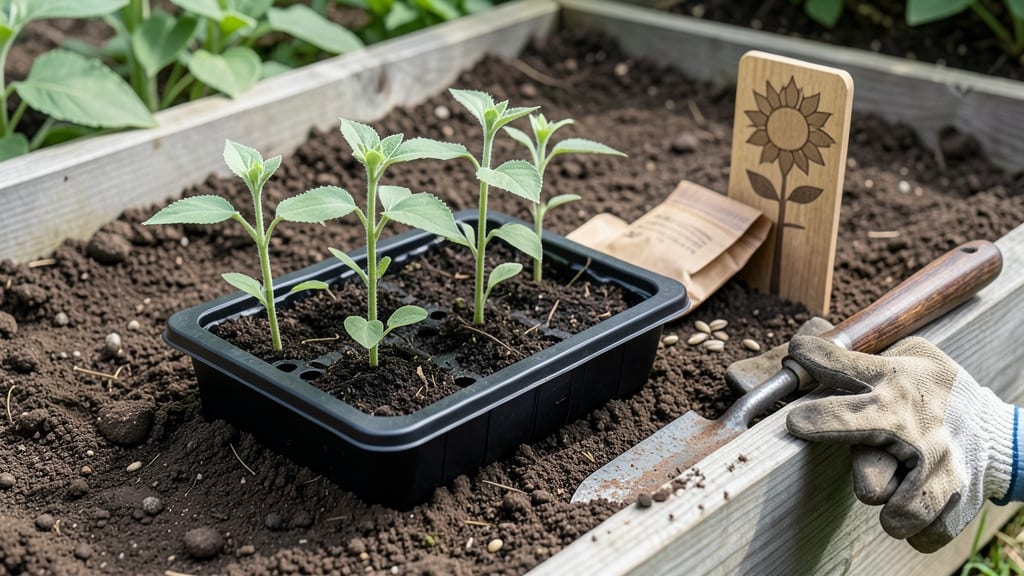
Planting sunflowers in Minnesota after the last frost ensures those towering 🌻 blooms you’ve been dreaming of—but timing is everything in Zone 4’s short growing season.
Picture this: you’ve waited all winter for those golden faces to pop up, only to watch them wilt under a late May frost. Or worse, they bolt too fast in the heat, leaving you with sad, underdeveloped seeds.
Minnesota’s unpredictable weather means the difference between a showstopping garden and a bust can come down to just a few weeks.
Here’s the good news: with the right timing—whether you’re direct sowing or starting indoors—you can beat the odds. We’ll cover the ideal planting windows for your region, how to adjust for early springs or late frosts, and which sunflower varieties actually thrive in Minnesota’s climate.
By the end, you’ll know exactly when to plant for bold, reliable blooms, plus how to protect your seedlings from Mother Nature’s curveballs. Let’s get those sunflowers growing!
Ideal planting windows for sunflowers in Minnesota’s Zone 4 climate
Sunflowers thrive in Minnesota’s sunny skies, but their short growing season demands precise timing. In USDA Zone 4, your planting window hinges on last frost dates and soil temperatures. Northern Minnesota (like Duluth) has later frost dates, while southern areas (like Rochester) offer earlier opportunities.
Let’s break down the best times to plant for direct sowing vs. transplanting to maximize your sunflower’s potential.
For direct sowing, wait until the soil temperature consistently reaches 50°F—typically mid-to-late May in most of Minnesota. This ensures seeds germinate quickly and avoids late frost damage.
In northern Minnesota, aim for late May to early June, while southern Minnesota gardeners can start as early as mid-May. Always check your local frost-free date for precision.
Transplanting sunflower seedlings is trickier due to their delicate root systems. Start seeds indoors 2-3 weeks before your last frost date, using biodegradable pots to minimize transplant shock. Harden off seedlings for 5-7 days before moving them outdoors after the last frost.
This method gives you a 2-week head start but requires careful monitoring of nighttime temperatures, which can still dip below 50°F in early spring.
Here’s a quick reference for Minnesota’s regional planting windows, accounting for microclimates and frost variations:
| Region | Last Frost Date | Direct Sowing Window | Transplanting Window | Soil Temp Requirement |
|---|---|---|---|---|
| Northern MN (Zone 3b-4a) | Late May - Early June | Late May to early June | Indoors: Early April; Outdoors: Late May | 50°F+ consistently |
| Central MN (Zone 4a-4b) | Mid-May | Mid-to-late May | Indoors: Mid-March; Outdoors: Mid-May | 50°F+ consistently |
| Southern MN (Zone 4b-5a) | Early May | Mid-April to mid-May | Indoors: Late February; Outdoors: Early May | 50°F+ consistently |
If you’re eager to start earlier, consider warming your soil with black plastic mulch or a cold frame to accelerate germination. This can shave off 1-2 weeks from your planting timeline, especially in northern Minnesota.
However, avoid planting too early—cold soil can stunt growth or cause rot, setting your sunflowers back for the season.
For direct sowing, plant seeds 1 inch deep and 12-18 inches apart (closer for dwarf varieties). Space rows 2-3 feet apart to allow for full sun exposure and airflow. In Minnesota’s windy conditions, staking taller varieties (like Mammoth) is a must to prevent lodging and breakage.
Pro tip: Use row covers if planting in late May to protect seedlings from unexpected late frosts. These lightweight fabrics trap heat and can extend your growing season by 2-3 weeks. Remove covers once plants are 4-6 inches tall to avoid overheating.
Remember, sunflowers are fast growers—some varieties mature in as few as 60 days! By aligning your planting with Minnesota’s frost cycles and soil conditions, you’ll ensure your sunflowers reach their full height and vibrant blooms before the first frost hits in October. 🌻
How to adjust sunflower planting for Minnesota’s unpredictable weather
Minnesota’s unpredictable frost patterns and cool summer nights can throw off even the most experienced gardener’s timing. Sunflowers, while hardy, need a consistent warm period to thrive—and when those late frosts linger or early autumns creep in, your towering blooms may never reach their potential.
Don’t let Minnesota’s fluctuating temperatures stifle your sunflower dreams. With the right varieties, protective measures, and soil prep, you can extend the growing season and enjoy sunflowers that rival the prairie’s golden fields. Here’s how to outsmart Mother Nature’s surprises.
⚠️ Late Frost Alert!
Minnesota’s last frost can arrive as late as May 30 in northern regions, while southern areas may see June 15 as the safe mark. Never plant sunflowers before soil reaches 50°F—cold soil delays germination by weeks. Use a soil thermometer to confirm before sowing.
Start by selecting cold-tolerant varieties like ‘Autumn Beauty’ or ‘Moulin Rouge’, which handle cooler temperatures better than standard types. These varieties can germinate in soil as low as 45°F, giving you a head start if spring drags on.
Pair them with black plastic mulch or straw mulch to warm the soil faster and protect young seedlings.
When late frosts threaten, deploy floating row covers or lightweight fabric tunnels to shield seedlings. These barriers trap heat during the day and insulate plants at night. Remove covers once temperatures stabilize, ensuring your sunflowers get the full sun they crave.
For extra warmth, try cold frames or mini greenhouses in early spring to jumpstart growth.
Extend the season by planting in succession. Start with an early batch in late May using cold-hardy varieties, then follow with a second planting in early June for later blooms. This staggered approach ensures continuous color and maximizes your harvest window before first frost hits in October.
Monitor soil moisture closely during Minnesota’s dry spells. Sunflowers need 1-2 inches of water weekly, but their deep roots make them surprisingly drought-tolerant once established. Use drip irrigation or soaker hoses to deliver water directly to the roots, reducing evaporation and fungal risks from overhead watering.
If summer cools unexpectedly, fertilize lightly with a balanced 5-10-10 mix to encourage growth. Avoid heavy nitrogen, which can delay flowering. Instead, focus on phosphorus and potassium to support root development and bloom production.
With these adjustments, your sunflowers will thrive despite Minnesota’s whims—delivering bold blooms and abundant seeds until the first frost. 🌻