
Flowers
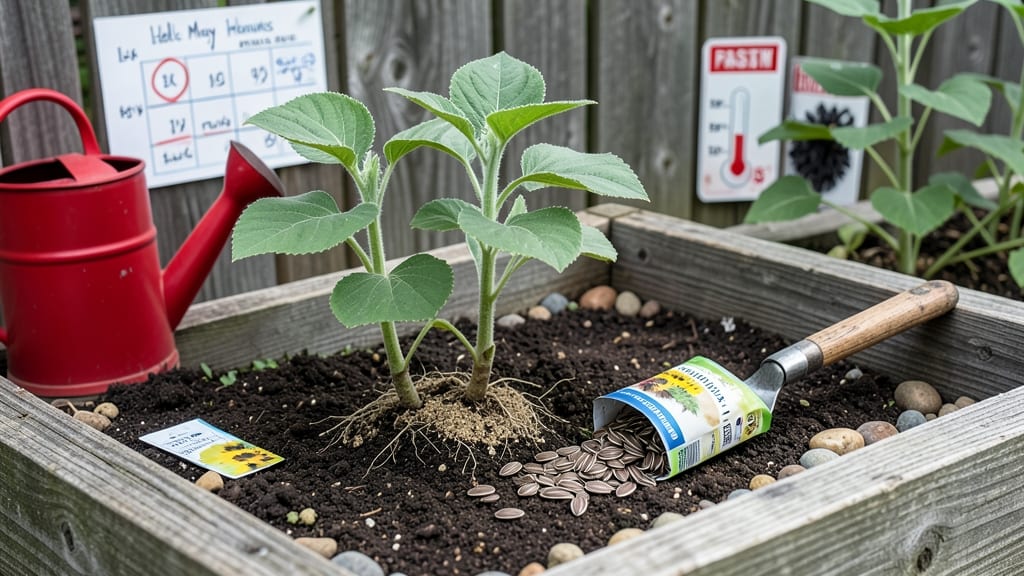
Planting sunflowers in NJ between mid-April and mid-June gives them the longest growing season to reach their towering heights before fall frost hits.
You’ve probably seen those 10-foot giants in summer photos, but getting them to thrive in New Jersey’s 6a-7b zones means timing your seeds just right—too early, and frost will nip them; too late, and your blooms will wilt before August’s peak.
The secret? Start after the last frost, when soil temps hit 55°F, and choose varieties that match your garden’s space and your patience for waiting.
Sunflowers aren’t just pretty faces—they’re pollinator magnets, shade providers, and even a snack for birds and humans alike. But without the right timing, you’ll end up with stunted stems or seeds that never fully mature.
Here’s how to nail the planting window for sunflowers that outshine the rest of your summer garden.
From soil prep to spacing tricks, I’ll walk you through the exact steps to turn your NJ garden into a sunflower spectacle—no guesswork, just blooms that last from July to October.
NJ planting zones & sunflower variety-specific timing
New Jersey spans USDA zones 5b through 7a, meaning your planting window for sunflowers depends heavily on whether you're in north Jersey (cooler) or south Jersey (warmer).
For giant varieties (10+ ft), timing is critical—plant too early in cooler zones, and frost will nip tender sprouts; too late, and your towering blooms won’t mature before fall. Here’s how to nail the perfect planting window for every sunflower type in your specific zone.
Sunflowers thrive when soil temperatures hit at least 55°F. In zone 5b (north NJ), wait until mid-May for optimal germination, while zone 7a (south NJ) gardeners can start as early as late April.
The key? Test your soil with a soil thermometer—if it’s below 55°F, wait another week. This small step prevents rot and poor germination.
Not all sunflowers are created equal. Giant varieties like 'Mammoth Russian' need 120 days to maturity, while dwarf types like 'Teddy Bear' mature in just 50-60 days. Heirlooms like 'Autumn Beauty' fall in between at 80-90 days.
Your planting window must align with these timelines to ensure blooms before the first frost (late October in north NJ, mid-November in south NJ).
Here’s your NJ sunflower planting schedule broken down by variety and zone, including soil temperature thresholds and frost-free days to maximize success:
For giant sunflowers in zone 5b, aim for a mid-May planting. This gives them 120+ frost-free days to reach maturity.
If you’re in zone 7a, you can push it back to late April for earlier blooms. Dwarf varieties, however, are far more forgiving—plant them as late as early July for late-summer blooms.
Soil preparation is just as critical as timing. Sunflowers hate soggy soil, so amend your beds with compost or sand if your garden retains too much moisture. A well-draining, slightly acidic to neutral soil (pH 6.0-7.0) is ideal.
Before planting, loosen the soil to a depth of 12 inches to encourage deep root growth—especially important for those 10-foot giants.
Once you’ve planted, consistent moisture is key during the first 4-6 weeks. Water deeply 1-2 times per week, ensuring the soil stays evenly moist but not waterlogged.
After that, sunflowers are drought-tolerant, but a deep watering every 10-14 days will keep them thriving. Morning watering is best to prevent fungal diseases like powdery mildew, which can ruin your blooms.
If you’re in north Jersey (zone 5b) and want to extend your season, consider starting dwarf sunflowers indoors in early April. Transplant them outdoors after the last frost (mid-May), and you’ll get earlier blooms and a longer display.
For giant varieties, this method isn’t worth the effort—they grow too large to transplant well.
Finally, don’t forget that sunflowers are heavy feeders. After planting, side-dress with a balanced fertilizer (5-10-10) when stems reach 12 inches tall. This boosts stem strength and flower size, especially for heirloom and giant varieties. Skip the fertilizer for dwarf types
Sunflower growth timeline in NJ: from seed to bloom
Watch your sunflowers transform from tiny seeds to towering giants in just 8-12 weeks when planted at the right time in NJ. The growth journey starts with germination in warm soil and ends with seed-filled blooms that feed birds and humans alike.
Each stage depends on NJ’s unpredictable spring weather, so knowing what to expect—and when—helps you adjust for delays or early blooms.
New Jersey’s USDA zones 6a-7b mean your sunflowers face late spring frosts (as late as mid-May in some areas) and early fall frosts (by late October).
The key is planting seeds after the last frost when soil temps hit 55°F—usually mid-April to mid-May—to give your plants enough time to mature before frost. But if you’re eager for summer color, you can also try a late summer planting (July) for fall blooms.
- 1 Week 1-2: Germination – Seeds sprout in 55-70°F soil. Keep soil moist but not soggy. Watch for tiny green shoots in 7-14 days.
- 2 Week 3-4: Stem Hardening – Stems thicken and reach 3-6 inches tall. Thin seedlings to 12-24 inches apart (depending on variety) to prevent overcrowding.
- 3 Week 5-6: Bud Formation – Yellow buds appear at stem tips. This is when sunflowers need deep watering (1-2 gallons per plant) to support rapid growth.
- 4 Week 7-8: Blooming – Full blooms open in July-August. Giant varieties (10+ ft) may need staking to avoid toppling in NJ’s summer winds.
- 5 Week 9-12: Seed Maturity – Back of petals browns, and seeds turn plump and black. Harvest before birds or squirrels beat you to them!
NJ’s variable spring weather can throw off this timeline. If you plant in late May, expect blooms to arrive 4-6 weeks later than early plantings.
To adjust, start dwarf varieties (like Teddy Bear) later—even in June60-70 days) compared to giants like Mammoth (up to 120 days).
Pro tip: Use black plastic mulch to warm soil faster in cool springs, or row covers to protect young seedlings from unexpected frosts. If a late frost threatens after buds form, cover plants with lightweight fabric until temps rise.
With the right timing and a little patience, your sunflowers will reach their full potential—just in time for summer’s peak.
Once your sunflowers bloom, they’ll attract pollinators and add height and drama to your garden. But don’t forget to harvest seeds before they scatter—leave a few heads for birds, but save the rest for next year’s planting or snacking! ☀️🌻