
Blooming
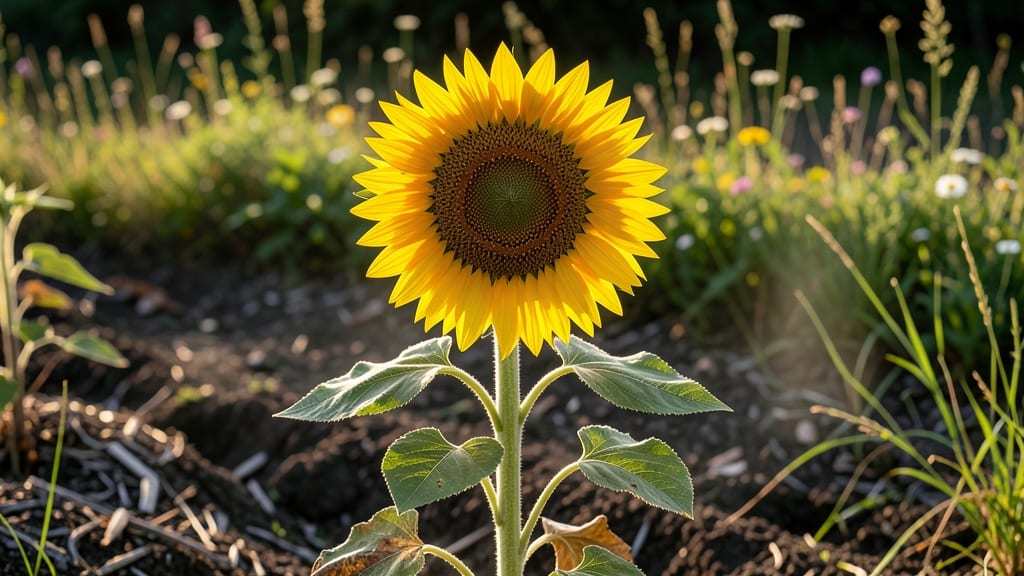
What time of year do sunflowers bloom? They thrive in late summer to early fall 🌻, but the exact timing depends on your USDA zone and planting schedule.
Picture this: you plant seeds in early May, and by August, your garden is a golden sea of towering blooms. But move that planting to June, and those same sunflowers might not even open until October—if they open at all.
The difference isn’t just weeks; it’s a shift in seasons that can change how you enjoy your garden.
In cooler climates like USDA Zone 6a, sunflowers typically start flowering in July, peaking in August and stretching into September. Warmer zones (like 8 or 9) can see blooms as early as June, while northern gardeners might wait until late August.
Variety matters too—dwarf types bloom faster, while giants take their time.
Here’s the game-changer: sunlight exposure and planting time can push those blooms earlier or later. Learn how to time it right, and you’ll have sunflowers gracing your garden for weeks—maybe even months. I’ll show you exactly how.
Sunflower blooming seasons by USDA zone: exact months to expect flowers
Sunflowers thrive on predictable schedules, but their bloom timing shifts dramatically across USDA zones 1-11. In cool northern zones (1-4), you’ll see flowers unfurl as early as late July, while southern gardens (9-11) may enjoy blooms from May through October.
The key? Days to maturity and frost dates determine when those golden faces turn toward the sun.
Most sunflower varieties need 60-120 days from seed to bloom, but early varieties like 'Teddy Bear' can flower in just 60 days, while giant types like 'Mammoth Russian' take 120+ days.
Planting too early in cold zones risks frost damage, while late planting in warm zones may delay blooms until late summer. Let’s break down exactly when to expect those cheerful faces in your specific zone.
🌻
In USDA zones 1-4, where summers are short, sunflowers race to bloom before early fall frosts. I’ve seen 'Autumn Beauty' varieties in zone 2 still flowering in September, their petals turning fiery red as temperatures drop.
These northern gardens benefit from fast-maturing varieties planted as soon as soil warms.
Zones 5-8 enjoy the longest bloom seasons, often stretching from August through October. Here, you can experiment with succession planting: sow early varieties in April for summer blooms, then plant late varieties in June to extend color into fall.
This works especially well in zone 7, where I’ve kept sunflowers blooming until November with careful variety selection.
Southern gardeners in zones 9-11 have the advantage of year-round growing potential. In Florida or California, sunflowers can bloom twice a year—once in spring and again in fall.
I’ve grown 'Dwarf Sungold' in zone 10 gardens that flowered in May and again in September, creating a continuous display. Just be mindful of heat stress during summer months.
Climate plays a surprising role in bloom timing. Cooler summers (like in Pacific Northwest zone 7) can delay flowering until late August, while hot, dry climates (like Arizona zone 9) may trigger earlier blooms in June.
To adjust for your local climate, monitor soil temperatures—sunflowers germinate best when soil reaches 55°F (13°C), but may bolt (flower prematurely) if stressed by heat.
For extended bloom periods, choose varieties with different maturity dates. Plant a mix of 60-day, 90-day, and 120-day varieties in the same garden. For example, 'Teddy Bear' (60 days) might bloom in July, while 'Mammoth Russian' (120 days) could still be flowering in October.
This staggered approach ensures continuous color from summer to frost.
🌿
One common mistake I see is planting sunflowers too late in northern zones. If you wait until June in zone 4, your 120-day variety
How to predict sunflower bloom time based on planting month (with variety guide)
Predicting when your sunflowers will bloom is simpler than you think—it’s all about timing and variety. Most sunflowers take 60-120 days to flower after planting, but this window shifts dramatically based on when you sow seeds.
For example, planting in early spring (March-April) typically yields blooms by mid-to-late summer, while late spring plantings (May-June) often flower in early fall. The key is matching your local frost dates with the right days-to-maturity for your chosen variety.
Your USDA zone also plays a critical role. In colder zones (3-5), aim for early-summer planting to avoid frost damage before blooming. Warmer zones (7-10) can extend planting into late spring or even early summer, pushing blooms into fall.
For instance, a 60-day variety planted in May in Zone 7 will likely bloom in early July, while the same variety planted in June will flower in early August. Understanding these patterns lets you plan for continuous color all season.
Here’s the secret weapon: a variety guide that aligns bloom timing with planting months.
Fast-blooming types like 'Teddy Bear' (60 days) or 'Autumn Beauty' (65 days) are perfect for early summer displays, while giants like 'Mammoth' (120+ days) or 'Russian Giant' (100 days) need early starts to reach their full potential. Let’s break down the math so you can predict blooms like a pro.
To calculate your sunflower bloom time, start by checking your last frost date (find it using the USDA Plant Hardiness Zone Map). Then, subtract the days-to-maturity of your chosen variety from your target bloom month.
For example, if you want July blooms and you’re planting 'Autumn Beauty' (65 days), aim to sow seeds by mid-May. Pro tip: Add 10-14 extra days if your soil stays cool—sunflowers need warm soil (60°F+) to germinate quickly. Use a soil thermometer to monitor temperatures if you’re unsure.
For extended bloom seasons, try succession planting. Plant fast varieties like 'Teddy Bear' every 2-3 weeks from spring through early summer. This creates a staggered bloom from June through September.
Pair tall varieties (like 'Russian Giant') with shorter ones (like 'Sunspot') to maximize vertical space and color variety. Just remember: overcrowding delays blooming, so give each plant 12-24 inches of space depending on its mature size.
Don’t forget that light exposure also tweaks bloom timing. Sunflowers need 6-8+ hours of direct sun daily—any less, and they’ll stretch toward the light, delaying flowering.
If your garden gets partial shade, choose dwarf varieties like 'Sunspot' or 'Teddy Bear', which tolerate 4-6 hours of sun better than giants. In containers, use self-watering pots to prevent stress, which can also push back bloom times.
With this guide, you’ll know exactly when to expect those golden faces