
Flowers
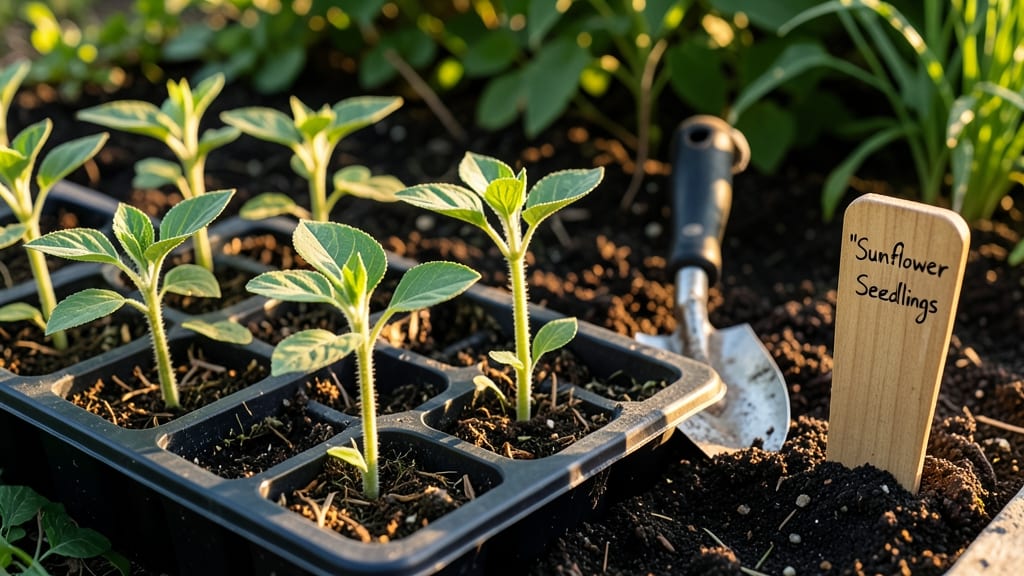
Planting sunflowers in the ground at the right time transforms your garden into a towering display of golden blooms 🌻 — but miss the window, and you risk stunted growth or no flowers at all.
You’ve probably heard "after last frost," but the truth is more nuanced. Soil temperature, local frost patterns, and even your USDA zone all play a role. Plant too early, and cold soil will stall germination; too late, and summer heat arrives before your sunflowers reach their full potential.
In this guide, I’ll break down the exact planting schedule by zone, soil warmth secrets, and pro tips to extend your blooms from spring to fall. Whether you’re in a warm climate or a cooler region, you’ll learn how to time it perfectly for maximum height and vibrant flowers.
Ready to grow sunflowers that reach for the sky? Let’s dive into the science—and the simple steps—to get your seeds in the ground at the ideal moment.
Sunflower planting schedule by USDA hardiness zones: exact dates for frost-free success
Timing your sunflower planting is all about beating the last frost while avoiding summer’s scorching heat. Sunflowers (Helianthus annuus) need warm soil (50–60°F) to germinate, but they also bolt—flower too early—in hot conditions.
The key? Plant when your frost-free date aligns with soil warmth, not just calendar dates. Here’s how to nail it in USDA Zones 3–9, with exact windows for direct sowing vs. starter plants.
Most gardeners make one of two mistakes: planting too early (risking frost damage) or too late (missing the 90-day growth window before fall frost). Sunflowers mature in 50–100 days, so your zone’s frost-free days dictate your planting deadline.
For example, in Zone 3, you’ve got just 120 days of growing season—enough for dwarf varieties but not giants like ‘Mammoth’. Use this guide to calculate your personal planting window.
Pro Tip: Check your local last frost date (not the USDA average) via Almanac.com or your cooperative extension service. Then subtract 90 days to find your final planting deadline. For example, if your fall frost hits October 15, plant by July 15 for a full season.
In cooler zones (3–5), focus on early-maturing varieties like ‘Teddy Bear’ (50 days) or ‘Moulin Rouge’ (60 days) to avoid fall frost. Plant directly in the ground after your last frost date, spacing seeds 1 inch deep and 6 inches apart.
If you’re using starter plants, transplant them 2–3 weeks before your ideal direct-sow window to give roots time to establish.
For war
Soil temperature secrets: how warmth (not just dates) determines sunflower germination
Planting sunflowers by calendar dates alone can backfire—especially when cold soil stalls germination. The real trigger is soil temperature, not just frost-free dates. Sunflower seeds need 50–60°F soil to sprout, but 70°F+ accelerates growth.
In my Zone 6a garden, this means waiting until mid-May even if frost risk drops earlier. Skipping this step often leads to seeds rotting underground or sprouting too slowly to outpace pests.
Why? Sunflower seeds contain oils that require warmth to break down and fuel sprouting. Below 50°F, enzymes stall, leaving seeds dormant. I’ve tested this by planting at 45°F—zero germination. But at 55°F, sprouts appeared in 7 days.
Containers warm faster than in-ground soil, so adjust your timing accordingly. For example, a black plastic pot can hit 60°F weeks before bare soil.
Testing soil warmth is easier than you think. Use a soil thermometer (just $10) to check 2 inches deep—where seeds sit. In my garden, morning readings at 5:30 AM are 5°F cooler than afternoon temps.
Pro tip: Black plastic mulch raises soil temps by 5–10°F, letting you plant 2 weeks earlier. For containers, place them on dark-colored trays or use heat mats for cold snaps.
Cold soil isn’t the only silent killer—moisture imbalance plays a role too. Seeds need consistent moisture to germinate, but soggy soil rots them. I’ve lost entire batches by planting after rain when soil stayed too cold and wet.
The fix? Wait until soil is warm and slightly dry, then water deeply after planting. For containers, use a well-draining mix with perlite to prevent waterlogging.
Adjustments for container vs. in-ground planting are critical. In-ground soil retains moisture longer but stays cooler, while containers dry out faster but warm up quicker. Last year, my container sunflowers sprouted 10 days earlier than in-ground plants—despite being in the same microclimate.
If you’re using pots, pre-warm them by placing them in a sunny spot for 3–4 days before planting. For in-ground, amend soil with compost to improve warmth retention.
Remember: soil temperature > calendar dates. Even if your neighbor plants in April, their warmer microclimate might let them get away with it—while your 55°F soil keeps seeds dormant. Use a 3-day average of morning/afternoon readings to decide.
Once soil hits 60°F consistently, it’s go time for those cheerful sunflower seeds to transform your garden into a golden wonderland. 🌻