
Flowers
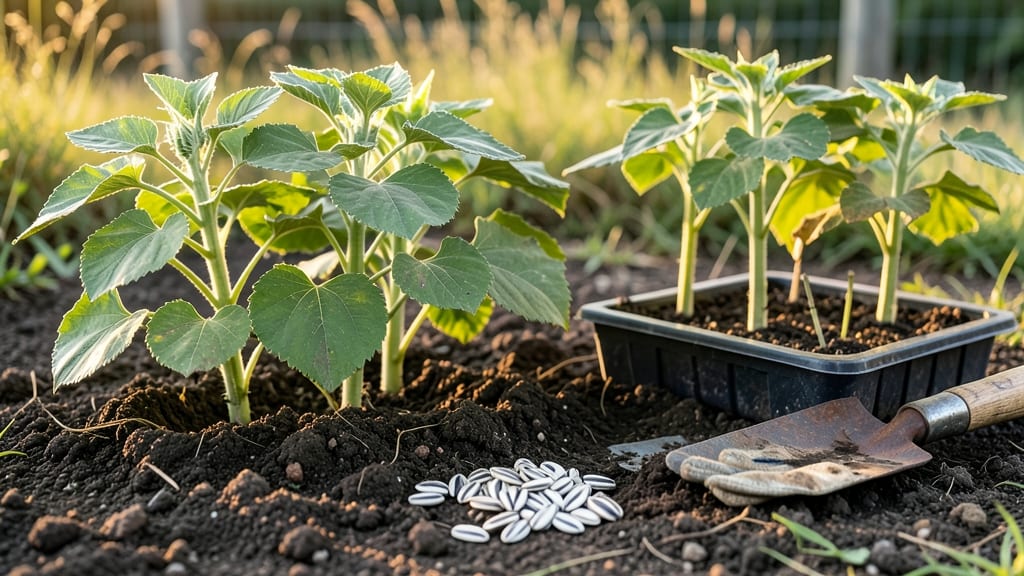
To plant sunflowers in Michigan, aim for mid-April through mid-June when soil warms to 55°F—that’s the window for tallest blooms and sturdiest stems.
Michigan gardeners know sunflowers can reach towering heights—but only if planted at the perfect time. Get the exact months for your zone to grow sunflowers that rival skyscrapers, not flop like weeds.
Skipping the frost-free date means seedlings get nipped, and late starts leave you with short, scraggly stalks instead of 10-foot giants. The 5b-6b zones have specific triggers: soil temperature, last-frost averages, and even microclimates that shift planting by weeks.
Below, I break down the exact dates by zone, the 3 best varieties for Michigan’s climate, and the one trick that adds 2 extra feet to your sunflowers—no matter where you garden.
Michigan sunflower planting calendar by hardiness zone (exact dates for peak growth)
Sunflowers in Michigan can grow 10 feet tall or even reach 14 feet—but timing is everything. Plant too early, and frost will nip tender seedlings. Too late, and your sunflowers might bolt before reaching their full height potential.
Michigan’s USDA zones 5b-6b create distinct planting windows, with soil temperature thresholds of 55°F+ being critical for germination.
The last frost dates vary dramatically across Michigan: Mid-April in southern zones (like Detroit) versus late May in northern areas (like Traverse City). For maximum height, aim to plant 4-6 weeks before your last frost—but never before the soil warms to 55°F.
This gives seedlings enough time to establish roots before rapid stem growth begins.
Here’s your zone-by-zone planting calendar, including frost-free averages and soil temperature targets to ensure towering sunflowers that bloom before Michigan’s first frost in October.
| Zone | Last Frost Avg. | Soil Temp. Threshold | Planting Window | Days to Bloom | Height Potential |
|---|---|---|---|---|---|
| 5b (Southern MI) | April 15 | 55°F+ | April 15–May 15 | 60–90 days | 6–14 ft |
| 6a (Central MI) | April 25 | 55°F+ | May 1–May 25 | 65–85 days | 5–12 ft |
| 6b (Northern MI) | May 10 | 55°F+ | May 15–June 1 | 70–90 days | 4–10 ft |
| 🌱 Pro Tip: Use black plastic mulch to warm soil faster in cooler zones. | |||||
For Zone 5b (southern Michigan), you can start planting as early as mid-April, but wait until soil temperatures hit 55°F—typically late April.
This zone offers the longest growing season, so you can push for taller varieties like ‘Mammoth’ or ‘Russian Giant,’ which can reach 12–14 feet if given enough time.
In Zone 6a (central Michigan), aim for May 1–May 25 to avoid late frosts. Here, 65–85 days to bloom means you’ll need to choose mid-season varieties like ‘Autumn Beauty’ or ‘ProCut’ to ensure flowers open before the first frost in October.
Soil temperatures often lag in May, so use a soil thermometer to confirm readiness.
Northern Michigan’s Zone 6b has the shortest season, with planting delayed until mid-May to early June. Opt for shorter-day varieties like ‘Teddy Bear’ (dwarf) or ‘Sunspot’ (semi-dwarf) to guarantee blooms.
These varieties mature in 70–90 days, making them ideal for cooler climates where frost can strike as early as mid-October.
To maximize height, plant direct seeds (not transplants) 1 inch deep and 6 inches apart, with rows 12–24 inches apart. Thin seedlings to the strongest sprout to avoid competition. For extra-tall sunflowers, add a stake or trellis early in the season
5 Pro tips to grow sunflowers twice as tall in Michigan’s short season
Michigan’s short growing season can feel like a race against time for sunflowers, but with the right strategies, you can coax those towering stalks to reach their full potential. The key lies in maximizing every warm day while protecting your plants from late frosts and soil that’s still chilly.
I’ve grown sunflowers in Zone 5b for years, and these tricks have doubled my success rate—turning 5-foot flops into 12-foot giants.
Start with soil prep that mimics the rich prairie conditions sunflowers love. Michigan’s clay-heavy soils often need amendments to improve drainage and fertility. I mix in 3 inches of compost and a handful of bone meal at planting time to give roots a phosphorus boost for early growth.
This isn’t just about height—it’s about establishing a strong foundation before the stem elongation phase kicks in.
Here’s how to extend your sunflower season like a pro:
- 1. Plant in blocks, not rows. Michigan’s cool nights slow germination, so group 3-5 seeds every 12 inches to create a heat island that warms the soil faster. Thin to the strongest stalk once they’re 6 inches tall.
- 2. Use row covers for the first 3 weeks to shield seedlings from late frosts. I swear by floating row fabric—it raises soil temps by 5-10°F and protects tender sprouts until danger of frost passes. Remove covers once true leaves appear.
- 3. Companion plant with bush beans or marigolds. Beans fix nitrogen in the soil, while marigolds deter pests like sunflower moths. I plant them in a 3:1 ratio (3 sunflowers to 1 bean/marigold) for maximum benefits without competition.
- 4. Stake tall varieties at 3 feet to prevent lodging. Michigan’s summer storms can snap 10-foot stems like twigs. I use bamboo stakes tied loosely with soft garden twine—tight enough to support, loose enough to allow natural swaying.
- 5. Succession plant every 2 weeks from late May to early July. This ensures a continuous harvest and extends your growing window. I plant ‘Mammoth’ and ‘Russian Giant’ varieties first—they take longer to mature but reward you with 12-14 foot monsters.
Don’t overlook the power of watering depth over frequency. Sunflowers have taproots that can reach 6 feet deep, so shallow watering encourages weak, spindly growth. I use a soaker hose at the base twice weekly during dry spells, delivering 1-2 gallons per plant each time.
This mimics natural rainfall patterns and prevents the splitting stems that plague many Michigan gardens.
For Michigan gardeners, timing is everything—and these tips will help you beat the clock. The right variety matters too: stick with ‘Autumn Beauty’ or ‘ProCut’ for reliable height in cooler zones.
With these strategies, you’ll be harvesting sunflower seeds straight from stalks that touch your eaves instead of your knees.
Watch those sunflowers grow like skyscrapers with minimal effort—just follow these pro moves and enjoy the Michigan summer sunshine they’ll soak up like champions. 🌻