
Flowers
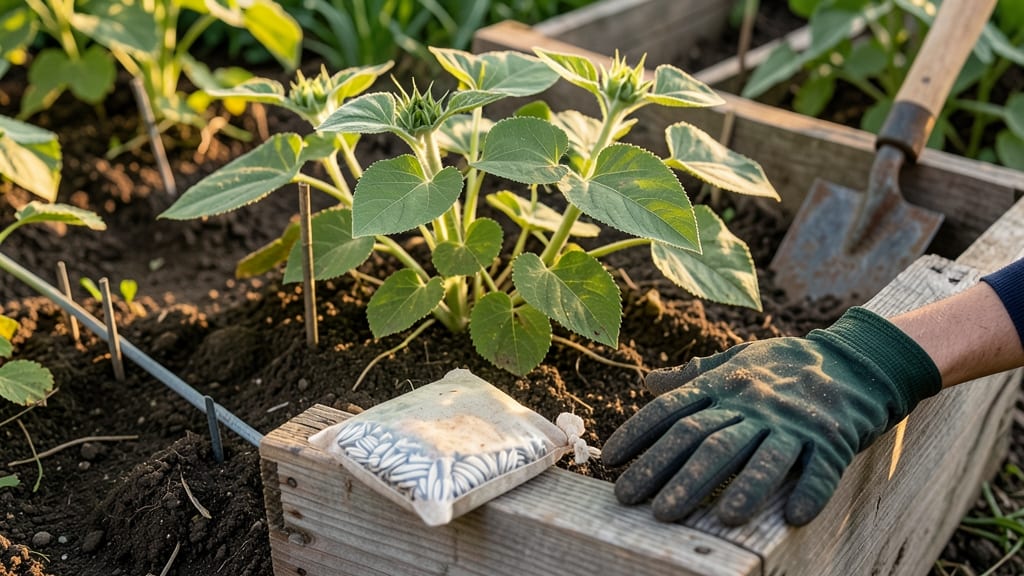
To plant sunflowers in Zone 7a, aim for mid-April to mid-June after the last frost date when soil warms to 50°F—this window ensures tall, sturdy stems and vibrant blooms by summer.
Picture this: you’ve waited all winter for your 🌻 sunflower seeds to sprout, only to watch them wilt under a late frost or struggle in cold soil. Missing the ideal planting window can turn your dream garden into a sad, stunted mess—and nobody wants that.
Zone 7a’s 165 frost-free days give you flexibility, but timing matters. Plant too early, and frost will nip tender seedlings. Too late, and your sunflowers might bolt before reaching their full height. The key? Start seeds 1 inch deep when the ground is workable and temperatures stay above 50°F.
Below, I’ll break down the exact week-by-week schedule, including when to direct-sow vs. start indoors, how to adjust for variety, and the 5 mistakes that ruin sunflower growth—so you can enjoy those towering blooms from late July right through October.
Zone 7a sunflower planting calendar: exact weeks for direct sowing vs. starts
Timing your sunflower planting in Zone 7a means the difference between towering, vibrant blooms and stunted, weak plants. The last frost date (around April 15) and soil temperature (ideal at 50°F+) set the stage for success.
Whether you're growing dwarf varieties like 'Teddy Bear' or giants like 'Mammoth', the right window ensures maximum height and resilience.
Sunflowers thrive with direct sowing in warm soil, but starting seeds indoors can extend your blooming season. For Zone 7a, I recommend beginning indoor starts 6-8 weeks before your last frost (early to mid-February) and transitioning to outdoor planting by mid-April.
This schedule accounts for 50-120 days to maturity, depending on the variety.
Here’s your week-by-week planting calendar, including frost dates, soil temps, and ideal windows for both direct sowing and indoor starts. Use this to plan for spring blooms, summer height, and even fall succession planting.
For dwarf varieties, like 'Sunspot' or 'Teddy Bear', you can start seeds indoors as early as February or direct sow them in mid-April. These varieties mature in 50-70 days, making them perfect for early summer blooms.
Plant them in well-draining soil with full sun exposure to ensure sturdy stems and vibrant flowers.
If you’re aiming for tall sunflowers like 'Mammoth' or 'Russian Giant', hold off on direct sowing until late April to mid-May. These varieties need 70-120 days to reach their full height, so planting too early risks weak stems or frost damage.
For a late-season harvest, try a June planting—just be sure to choose fast-maturing varieties like 'Autumn Beauty'.
Pro tip: Use black plastic mulch to warm the soil faster in early spring plantings. This helps you meet the 50°F soil temperature requirement 2-3 weeks earlier than planting into cold ground. Just remove the mulch once seedlings emerge to prevent overheating.
For continuous blooms, stagger your plantings every 2-3 weeks from mid-April to mid-June. This ensures you’ll have sunflowers in bloom from late July through October.
Just remember: giant varieties need plenty of space (at least 12-18 inches apart), while dwarf types can thrive in containers or tight clusters.
Monitor your local frost dates—Zone 7a’s first frost typically hits around October 15. If you’re growing late-season varieties, cover them with frost cloth or move potted plants to a protected location to extend their life. With the right timing, you’ll enjoy sunflowers blooming well into fall!
Finally, avoid the biggest mistake
How to adjust planting for sunflower variety and bloom goals
Not all sunflowers are created equal—and neither are their planting schedules. In Zone 7a, your choice of sunflower variety (like 'Mammoth' vs. 'Teddy Bear') directly impacts when you should plant for the best blooms.
Giant varieties need an early start to reach their towering heights, while dwarf types can handle later plantings and still thrive. Let’s break down how to match your sunflower type to your bloom goals.
For spring blooms, aim to plant tall varieties like 'Mammoth' or 'Russian Giant' by mid-April—they need those extra weeks to grow sturdy stems and reach 10+ feet.
In contrast, dwarf varieties such as 'Teddy Bear' or 'Moulin Rouge' can wait until late April or early May without sacrificing height or vibrancy. The key? Understanding each variety’s maturity timeline and adjusting your schedule accordingly.
| Variety Type | Planting Window (Zone 7a) | Bloom Time | Height Range | Succession Planting Tip |
|---|---|---|---|---|
| Tall Varieties (e.g., 'Mammoth', 'Russian Giant') | Mid-April to early May | July to early August | 10-14 feet | Plant in 3-week intervals for staggered blooms. |
| Standard Varieties (e.g., 'Autumn Beauty', 'ProCut') | Late April to early June | August to September | 6-10 feet | Ideal for late-summer color—plant in June for fall blooms. |
| Dwarf Varieties (e.g., 'Teddy Bear', 'Moulin Rouge') | Late April to mid-May | July to October | 1-3 feet | Perfect for containers—plant every 2 weeks for continuous blooms. |
Want sunflowers blooming into fall? Try a succession planting strategy. Plant a second batch of standard or dwarf varieties in early June—they’ll mature just in time for late-summer and autumn color. This works especially well in Zone 7a’s longer growing season, where frost typically arrives in mid-October.
For example, 'Autumn Beauty' sunflowers planted in June will often bloom in September, adding warmth to your garden as cooler weather sets in.
Don’t forget about microclimates! If your garden has a warmer, sheltered spot (like near a south-facing fence), you can push planting dates back by 1-2 weeks for varieties like 'ProCut'.
Conversely, cooler or windy areas may require an earlier start. Always check your soil temperature—sunflowers need 50°F+ soil to germinate, so use a soil thermometer if unsure.
For extended blooming seasons, mix varieties with different maturity times. Plant 'Mammoth' in April for early summer blooms, then add 'Teddy Bear' in May for late-summer color. This creates a non-stop sunflower show from July through October.
Just be mindful of spacing—tall varieties need 2-3 feet of space, while dwarfs can thrive in 1-foot intervals.
Pro tip: If you’re growing sunflowers for seeds, let the blooms stay on the plant until the back turns yellow and seeds rattle. This usually happens 2-3 weeks after flowering, so adjust your planting schedule to ensure seeds mature before frost.
In Zone 7a, aim to have seed-bearing sunflowers by late September to avoid frost damage.