
Flowers
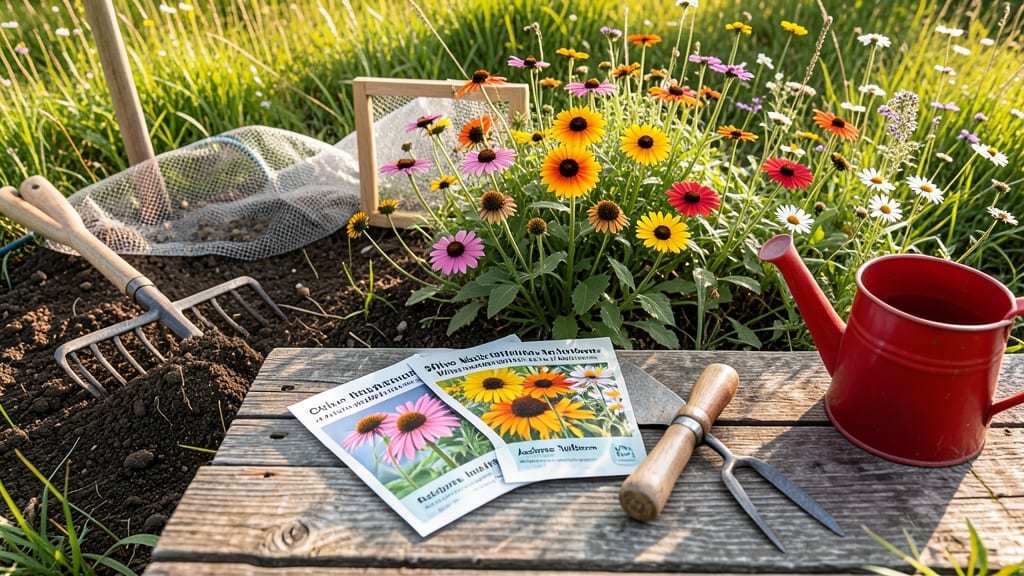
Planting wildflowers in Ohio during early spring or fall unlocks the secret to vibrant blooms and thriving pollinators 🌼—and timing is everything.
Picture this: you’ve spent hours scattering seeds, only to watch them fade into the Ohio landscape without a single bloom. That’s what happens when you plant at the wrong time, missing the 60-day window between last frost and summer heat.
But here’s the good news—Ohio’s 6a-6b zones actually give you two prime chances to get it right.
Spring planting in March or April (after the April 15 average frost date) gives you summer color, while fall planting in September or October sets roots for next year’s show. The key? Preparing soil, choosing the right species for your region, and avoiding the pitfalls of Ohio’s clay-heavy dirt.
In this guide, I’ll break down the exact planting calendar for Ohio’s top pollinator-friendly wildflowers, soil prep tips to beat the competition, and how to pick varieties that thrive in your corner of the state—whether you’re in northern Ohio’s cooler microclimates or the warmer southern regions.
Ohio wildflower planting calendar: best times for spring vs fall planting by species
Ohio’s hardiness zones 6a-6b offer the perfect balance for wildflowers, but timing is everything. Planting too early risks frost damage, while late planting can delay blooms. Most Ohio wildflowers thrive when sown after the last frost (typically mid-April) or in early fall (September-October) for spring blooms.
Northern Ohio’s cooler climate may need adjustments, while southern Ohio can extend planting slightly later.
Spring planting is ideal for annual wildflowers like cosmos and zinnia, which bloom quickly and attract pollinators. Fall planting benefits perennials like coneflowers and black-eyed Susans, giving seeds time to stratify naturally. Ohio’s frost-free season (150-180 days) dictates these windows—miss them, and you’ll miss peak blooms.
Here’s how Ohio’s top wildflowers stack up for planting timing, including regional tweaks for northern vs. southern areas:
| Wildflower | Spring Planting Window | Fall Planting Window | Northern Ohio Adjustment | Southern Ohio Adjustment |
|---|---|---|---|---|
| Coneflower (Echinacea) | Mid-April to May | September 15-October 1 | Wait until May 1 | Extend to October 15 |
| Black-eyed Susan (Rudbeckia) | April 15-May 15 | September 1-October 10 | Delay to May 10 | Extend to November 1 |
| Milkweed (Asclepias) | April 1-May 30 | September 1-October 15 | Wait until April 15 | Extend to November 10 |
| Bee Balm (Monarda) | April 15-May 30 | September 1-October 1 | Delay to May 15 | Extend to October 15 |
| Goldenrod (Solidago) | April 1-May 15 | September 1-October 10 | Wait until April 10 | Extend to November 1 |
For northern Ohio (e.g., Cleveland, Toledo), push back planting dates by 1-2 weeks to avoid late frosts. Southern Ohio (e.g., Cincinnati, Columbus) can extend fall planting into early November, especially for hardy perennials like milkweed and goldenrod.
Always check your local frost dates—they can vary by 7-10 days annually.
Spring planting requires soil temperatures above 60°F for best germination. Use a soil thermometer to confirm—cool soils can delay sprouting. For fall plantings, aim to sow seeds 4-6 weeks before the first frost (typically by October 1 in most of Ohio).
This gives seeds time to germinate but prevents established plants from emerging too early.
Ohio’s clay-heavy soils benefit from light raking before planting to improve seed-to-soil contact. Mix in a thin layer of compost (1-2 inches) to boost nutrient availability. Avoid heavy tilling—wildflowers thrive in undisturbed, naturalized beds. For large-scale plantings, consider a hydroseeding approach to ensure even coverage.
After planting, keep soil moist but not soggy for the first 2-3 weeks. Wildflowers are drought-tolerant once established, but young seedlings need consistent moisture. Mulch lightly with straw or leaves to retain moisture and suppress weeds. Avoid thick mulch layers—wildflowers prefer minimal competition.
Pro tip: Mix native wildflowers with annuals for continuous blooms. For example, pair fall-sown coneflowers with spring-planted cosmos to extend your pollinator season from June through October. This strategy also supports monarch butterflies and native bees year-round.
Remember, Ohio’s microclimates matter. Urban areas may stay warmer, while rural spots can be cooler. Observe your garden’s unique conditions and adjust planting dates accordingly. With the right timing, your wildflower meadow will burst into color—nurturing pollinators and adding beauty to Ohio’s landscapes.
How to prepare Ohio soil for wildflower success: pre-planting checklist
Ohio’s clay-heavy soils can be challenging for wildflowers, but with the right prep, you’ll create the perfect foundation for vibrant blooms. The key lies in improving drainage, balancing pH levels, and suppressing weeds before planting.
Native wildflowers like coneflowers and black-eyed Susans thrive in well-prepared soil, while non-natives may need extra attention.
Start by testing your soil’s pH level—most wildflowers prefer a slightly acidic to neutral range (6.0-7.0). Ohio’s native species often tolerate 6.0-6.5, while non-natives like cosmos may need adjustments. Grab a soil test kit from your local extension office or use an at-home tester for quick results.
Once you know your pH, amend the soil with organic matter like compost or aged manure. Ohio’s clay soils benefit from 1-2 inches of compost mixed into the top 6-8 inches of soil.
This improves water retention and root penetration, which is critical for wildflowers battling Ohio’s heavy rainfall and summer droughts.
Remove existing weeds and grass using a shovel or sod cutter. Wildflowers compete poorly with invasive plants, so thorough clearing is essential.
Use a broadfork or tiller to break up clay layers without disturbing deeper soil. Aim for 6-8 inches deep to encourage root growth.
For acid-loving natives, add elemental sulfur (1 lb per 100 sqft). For alkaline-loving species, use lime (calcium carbonate) at 5 lbs per 100 sqft.
Mix in coarse sand or perlite (1 part to 3 parts soil) to prevent waterlogging. Ohio’s clay soils can suffocate roots if drainage is poor.
Apply a thin layer (1/4 inch) of straw or wood chips to retain moisture and suppress weeds. Avoid thick mulch, which can smother seeds.
After amending, consider weed suppression techniques like laying down cardboard or landscape fabric before planting. This blocks light from sprouting weeds while allowing seeds to germinate. For clay-heavy areas, add gypsum (10 lbs per 100 sqft) to further improve soil structure over time.
Finally, water the prepared bed deeply but infrequently to encourage roots to grow downward. Ohio’s variable rainfall means you’ll need to monitor moisture, especially during seedling establishment. A drip irrigation system or soaker hose works best for even distribution.
With these steps, your Ohio soil will be ready to support hardy wildflowers that attract pollinators and thrive in your local climate. Happy planting! 🌻